Dental Implants Sugarland Tx
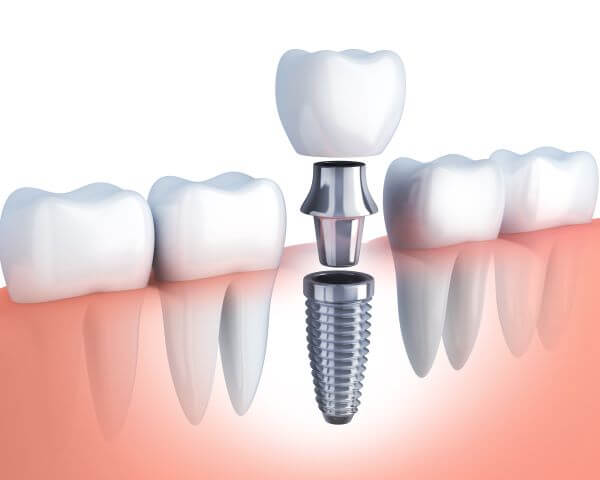 For many people who have lost their teeth due to one reason or another, the simple act of smiling may come with hesitations resulting from being too self-conscious or even low self-esteem. Tooth loss can also negatively affect eating habits as a result of some biting irregularities, which may lead to some secondary health problems like malnutrition. Dentists in Sugarland, Texas have an affordable solution to these challenges.
By replacing the missing tooth roots, a dental tooth implant will provide a person’s tooth with the vitality and strength it needs to eat and enjoy all the healthy food they love without struggling to chew. Apart from chewing better, a dental implant helps maintain and stimulate the jawbone, preventing bone loss while supporting a person’s facial features. It also restores lost self-esteem and confidence. Although dental teeth implants are characterized as a form of artificial replacement dentistry, they have also been considered a type of cosmetic dentistry.
What is A Dental Implant?
A dental implant is a procedure used to replace teeth roots with Titanium screws-like posts. The process is done to replace a missing or damaged tooth with an artificial one that functions and looks like a real tooth. Dental implant surgery is often a convenient alternative to bridgework or dentures that do not fit properly. It is also seen as a welcoming option when the absence of a natural tooth root makes it impossible to build a denture or a bridgework tooth replacement.
A dental implant surgery procedure will depend on conditions like the state or the jawbone’s health and implant type. A dental implant surgical process may also involve various techniques. However, the main benefit of such an implant is to offer stable and sturdy support for the patient’s new tooth through a process that requires the jawbone to heal entirely around the new implant. This healing process usually requires several months as a result.
What is the cost of Dental Implants?
The complete cost for a Dental Implant including the Abutment and Crown is $1999.00.
There may be other costs involved with Dental Implants like bone grafting, complex extractions or other procedures.
Grand Parkway Smiles offers a Free Consultation for patients interested in Dental Implants. The consultation includes all x-rays, evaluation by one of our implant specialists and treatment plan that will outline all costs.
We accept most PPO dental insurance, cash, and major credit cards; in addition, we have several financing options available for patients.
Why is it done?
A dental implant is surgically placed in a person’s jawbone to take the root of a missing tooth. It is sturdy and does not slip, as the titanium implant fuses with the person’s jawbone. That also means that the implant will not make noise as you use your teeth daily. Additionally, the implants do not cause damage to the bones compared to dentures or bridgework. The material used ensures that your natural teeth do not decay.
So why is a dental implant necessary, and at what point may it be right for you?
In general, dental implants may be right for you under the following circumstances:
- If you have one or several missing teeth
- If you have a jawbone that has reached its complete or full growth
- If you have enough bone structure to support and secure the implants or able to have a bone graft
- If you have healthy oral tissues
- If you do not have any health condition that may make bone healing difficult
- If you are unwilling or unable to wear dental fixtures
- If you do not smoke tobacco
- If you are ready and willing to make yourself available for all those months the process will take
- If you want to improve your speech as well as your smile
A dental implant also comes with many other aesthetic benefits. For example, as mentioned earlier, it helps to enhance your smile. This procedure also plays an essential role in the general functioning of your mouth. Dental implants support a healthy bite and a healthy jawbone while ensuring that each tooth is held correctly in place. When a tooth is pulled out or lost without replacement, the jawbone is at risk of deterioration. Therefore, a dental implant would help prevent such possible decay by supporting the pressure and providing chewing stimulus.
A dental implant can also help your self-esteem considerably as it makes it easier to talk while also acting just like your natural tooth would. It also helps to promote dental comfort. Plus, you do not need to remove it to clean or prepare to sleep, unlike dentures.
Types of Dental Implants
There are different types of affordable dental implants, and each kind comes in various coatings, sizes, and connector options that your health dental expert will choose from. Several companies manufacture different dental materials used in creating the restorations placed on top of them. That means dentists have a variety to choose from when identifying the right treatment that will meet each patient’s specific needs. This is why it is best to rely on one dentist for both the implant procedure and any after repairs on the implant, as a new dentist may not have access to the same materials used by the first dentist nor have the same expertise.
While there are different methods of placing implants, these various methods usually fall into the single-stage or two-stage categories and all 4 dental implants. These are:
- Single-stage implants: This procedure requires the dentist to place an implant surgically into the jaws to fit precisely on the jawbone and in line with the upper level of the gum tissue. When this is done, the tissue is then closed, exposing the implant healing cap. Because of several months of healing, temporary restoration can be done without needing minor surgery to make the head visible.
- Subperiosteal implants: Although they are rarely used today, these types of dental implants were reserved for patients without sufficient bone height. The implants are placed on the jawbone within the gum tissue. The metal implant post is left exposed through the gums to support the denture.
- Two-stage implants: This procedure involves surgically placing the implant into the jawbone and closed with gum tissue. After several months of healing, you may need minor surgery to attach an abutment and temporal restoration.
- Endosteal (Endosseous) implants: This is a removable denture and it is the most common dental implant method used in place of a bridge. This type of implant includes bladed types, cylinder types, and screw types. Your prosthodontist will assist you in determining which type is best suited for you. However, Endosteal implants are the most popular, as they are currently considered the safest and most effective option.
The Procedure
Dental implants usually require more than one procedure. That means you need to first go through a thorough evaluation stage to prepare you for the process. The evaluation stage comes with a comprehensive dental examination, a review of your medical history, and a treatment plan tailored to your specific situation.
The dental implant procedure is usually an outpatient one, which means that it is performed in different stages with a specified healing time between each process. The steps involved include the following:
- Removal of the damaged tooth
- Preparing the jawbone if necessary
- Dental implant placement
- Bone growth and healing stage
- Abutment placing
- Placing of the artificial tooth
The entire process could last several months from start to finish, with a lot of time devoted to healing. You may require bone grafting if your jawbone is too soft or isn’t thick enough. However, this comes before your dental implant surgery. This is not a step you can skip as a strong jawbone is needed for regular and comfortable chewing. Once the dentist completes this stage, the implant process begins. During the dental placement surgery, a cut is made to open the gum and expose your bone. Next, your Dental Surgeon or oral surgeon will drill holes into the bone where the dental implant metal posts will go. Because the post will take place in the tooth root, it needs to go deep into the bone. Once the metal implant post is in place, you will need several months for the jawbone to grow and unite with the dental implant’s surface. This process helps to provide a healthy and stable base for your artificial tooth, known as the osseointegration period. Once this period is over, you may require additional surgery to place an abutment – this is the piece on which the crown attaches. When the abutment stage ends, you will need about two weeks to heal before that artificial tooth can be attached. Next, your dental surgeon will select the right artificial teeth – this can be either fixed or removable or a combination of the two. With the fixed implants, the artificial tooth is screwed on permanently. However, with the removable implants, you can remove it easily for daily cleaning or repair, similar to the conventional removable denture.
Recovery
The amount of time you may need to recover after a dental implant surgery will depend on several factors. One of the factors includes the number of procedures or surgeries required to complete the implant process and the healing time needed in between each procedure. However, once the final implant is successfully in place, the most important thing is to ensure that you maintain diligent oral hygiene habits. That helps to ensure that your implants get proper integration with the bone structure. Failure to brush your teeth or floss often can cause improper healing after dental implant surgery. You will risk getting an infection if the implant’s surrounding areas are not cleaned regularly and adequately. An infection will end up extending your recovery time by weeks or even months. Habits like regular smoking can also be attributed to significant delays as well as failures to recover. Therefore, it is essential to avoid smoking during and immediately after a successful dental transplant procedure.
If the right steps are taken, you should expect to recover fully from a successful dental transplant surgery in about three to four months. However, your recovery period can also delay, depending on what caused the need for a dental implant. Additionally, unique additions to your surgery like bone grafting will also lead to a delay in your recovery time.
Aftercare
Whether your dental implant surgery came in one stage or several stages, you will experience different kinds of discomfort after the process. Some of the side effects may include the following:
- Minor bleeding
- Swelling of your gums and face
- Pain at the site of the implant
- Bruising of your gum and surrounding skin
Besides needing enough time to recover, you may also need to rely on some medications or antibiotics after the surgery. Suppose you experience any form of swelling or discomfort for more extended periods, or they get worse after your surgery; in that case, it is essential to contact your Dental Surgeon as soon as possible. As mentioned earlier, your dental implant procedure may require several surgeries and healing periods. After each operation, you may need to rely on soft foods to ease the jawbone and gum pressure while the surgical area heals. Most surgeons prefer to use self-dissolving stitches during these stages. However, if your stitches cannot dissolve on their own, then your doctor will have them removed. Most of the discomforts mentioned after your dental implant surgery should be minimal. If you experience accidental bruising of the surgical site, swelling, or minor pains, you can rely on your dentist’s prescription pain medication to ease the pain. After the final stage of your surgical process, your dentist will recommend again that you rely on soft foods and drinks for about five days to a week.
When properly cared for, your dental implants should last you for a lifetime. To properly care for your implants, you should do the following:
- Avoid damaging habits: Avoid chewing on hard food and snacks like candy and ice, as they can break your crowns. Also, avoid smoking tobacco, as they stain your teeth. And if you grind your teeth, seek treatment as early as you can.
- Visit your dentist regularly: It is vital to pay regular visits to your dentist during and after your dental implant procedures. Schedule regular dental check-ups with your dentist or dental surgeon to ensure that your implants are functioning correctly and always healthy. Also, follow all the advice given for professional cleanings.
- Practice good oral hygiene: Always ensure that you keep both your natural and artificial teeth and gum clean at all times. You can speak with your dentist for some recommendations about specially designed brushes to use for teeth implants. You can use interdental brushes that can slide between your teeth and clean out every nook and cranny.
So, if you live in the Sugarland, Texas area and need a full mouth dental implant but have been scared to, it’s time not to be. Grand Parkway Smiles is your dental implant specialists home, give us a call at 8322220016.