Wisdom Teeth Removal Houston Tx
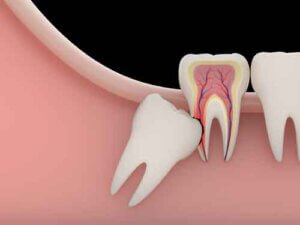 In some cases, wisdom teeth removal is necessary, for example, if they are impacted or causing your teeth to become crowded. In these cases, it is advisable to have your wisdom teeth removed to prevent your other teeth from becoming damaged.
Dentists recommend wisdom teeth extraction if you experience certain changes in these teeth and their surrounding areas. Such changes could be tooth decay, infection or pain, gum disease or tumors. If you are unsure about whether you need wisdom teeth removal, it’s best to contact your dentist.
What are wisdom teeth?
Wisdom teeth refer to the third set of molars that are located at the back of your mouth. These teeth usually develop last. Unlike the rest of the teeth in your mouth, you do not actually need to have wisdom teeth. According to anthropologists, our caveman ancestors needed these teeth to chew through the raw meat and coarse leaves that made up their diet. Evolution changed our diets and eating habits, which means that our wisdom teeth are no longer required.
What does wisdom teeth removal cost in Houston, TX?
The typical starting cost for a single wisdom tooth starts at $199.00
We are able to provide Wisdom Teeth Extraction with Sedation for very Affordable rates.
Prices for Wisdom Teeth Extraction With Full IV Sedation are:
1 Wisdom Tooth Extraction with IV Sedation $699.00
2 Wisdom Teeth Extraction with IV Sedation $899.00
3 Wisdom Teeth Extraction with IV Sedation $1199.00
4 Wisdom Teeth Extraction with IV Sedation $1499.00
(the prices above reflect options for our Cash Patients)
What are impacted wisdom teeth?
Impacted wisdom teeth refer to wisdom teeth that lack the space to develop normally. For example, if a wisdom tooth becomes stuck underneath the gum, and cannot break through, this tooth is defined as ‘impacted’. These teeth are more susceptible to tooth decay, disease, or other dental issues. In some cases a tooth may become ‘partially impacted’, meaning that the tooth slightly breaks through the gums.
When should wisdom teeth be removed?
Wisdom teeth are usually removed between the ages of 13 and 25; when you visit your dentist, they will perform an X-ray and may suggest wisdom teeth extraction if necessary. Wisdom teeth may also be removed because they are growing in at an awkward angle, and as a result, they are pressing uncomfortably against your other teeth. The issue may also be that your jaw does not have any more space for another set of molars. Any of these problems means you may be required to undergo a wisdom teeth extraction process.
Does everyone have wisdom teeth?
It’s common to get between one and four wisdom teeth, yet it’s also not unusual to have no wisdom teeth at all. Your dentist can perform an X-ray to tell you whether you have wisdom teeth or not. Lack of wisdom teeth might be down to genetics, chewing function, or environment. For the most part, the reason for a lack of wisdom teeth is unclear. If your wisdom teeth are not causing any problems, or are not impacted, then there is no reason for them to be removed. There is no benefit to extracting healthy wisdom teeth; doing so may even lead to complications.
What are the signs and symptoms of wisdom teeth?
There are several signs and symptoms which indicate that your wisdom teeth are coming through and that they may be causing complications. These signs include:
- Pain in your jaw
- Tender or bleeding gums
- It becomes difficult to open your mouth
- Experiencing bad breath or an unpleasant taste in your mouth
- Experiencing swelling of the jaw or gums
- Infections in the gums
Any one of these signs could mean that you require wisdom teeth extraction. Swelling or tenderness is one of the first signs of wisdom teeth growing through. You may experience this sensation at the back of your mouth, and it can occur on one side of the mouth or both. It’s also not uncommon for the gums to become swollen. When wisdom teeth become lodged underneath your gums, you may experience a pressure build-up, which can cause headaches.
When you begin to experience any of these symptoms, it’s best to contact a dental professional. Though the issue may not be wisdom teeth related, there could be underlying dental problems that you need to have checked out. Issues that are due to your wisdom teeth are best treated with a wisdom teeth extraction procedure.
How do wisdom teeth cause infections?
When wisdom teeth erupt, these teeth may be positioned awkwardly; the consequence is that only a small part of the tooth emerges. If this does happen, the surrounding gums become more prone to infections. It’s easy for food to become trapped in small openings; even flossing and brushing may not entirely clear the debris. Infected gums can lead to pericoronitis, causing more serious complications. For any further information about wisdom teeth extraction, please contact our dental surgeons in Houston, Texas.
Why are wisdom teeth painful?
Several different factors may cause discomfort and pain, these include:
- Complications from partial eruption: If a wisdom tooth has only partially emerged, bacteria can build up underneath your gum. When this happens, the swelling and infection can lead to pain.
- Cysts or tumours: In some cases, impacted wisdom teeth can lead to cysts or tumours; if these are not treated immediately, it’s normal to experience pain or further dental issues.
- Pain from Impaction: Impacted wisdom teeth cause a build-up of pressure, and this can result in ongoing pain if left untreated.
What can you do to soothe wisdom tooth pain?
If you are experiencing wisdom teeth pain, it’s best to make an appointment with your dental surgeon at Grand Parkway Smiles. You will most likely be scheduled an appointment for wisdom teeth extraction. Most of the time, you shouldn’t have too long to wait for an appointment. To soothe the pain during your waiting process, there are several options you can try:
- Anti-inflammatory medication: To reduce the pain from your wisdom teeth, you can try taking standard anti-inflammatory medications. For example, you might take ibuprofen, aspirin or naproxen. For the best results, take an anti-inflammatory every few hours, and ensure that you follow the label’s instructions.
- Salt water rinse: Rinsing your mouth out with salt water is a natural remedy to eliminate tooth pain. Use warm water and salt, and rinse the solution around your mouth for a few minutes. Doing so will help clean out any wounds or infections and temporarily dull the pain.
- Try a cold compress: You can also try holding a cold compress at the side of your jaw and face. Leave the cold compress in place for around twenty minutes, to help soothe pain and inflammation.
- Use heat cushions: In some cases, you may find that a heat cushion is better at reducing pain. You can purchase small heat cushions that go in the microwave; these are often used to soothe muscle pain.
What is the process of removing wisdom teeth?
Prior to the extraction process, your dentist will give you an injection containing a local anaesthetic; this will numb your tooth and the area surrounding it. Those patients who are feeling anxious about the extraction procedure will be offered IV Sedation. With the help of a IV sedative it will be easy to relax. If your wisdom tooth has not penetrated through your gum, your dentist will make a small incision, so that they can access the tooth. In some cases, they may also remove a very small piece of bone (if it is covering the wisdom tooth). Your dental surgeon may break up the tooth into smaller pieces so that it can be removed easier. Just before the tooth is extracted, you will feel a little pressure. The pressure is the result of your dentist moving the tooth back and forth, in an attempt to widen your tooth socket. You should not experience pain (due to the anaesthetic).
A simple wisdom tooth extraction procedure may take as little as a few minutes; however, the procedure can last up to twenty minutes or more if there are any complications.
What happens after your wisdom tooth has been extracted?
If your dentist has made an incision, they will then use dissolving stitches to seal up the gum. The stitches usually take between 7 and 10 days to dissolve, yet your dentist will give you a clearer indication of this. Your dentist may position a layer of gauze at the extraction site and then ask you to bite your jaws together to apply pressure. In some cases, you’ll be required to apply pressure for up to one hour. After a while, a blood clot should form, filling up the empty tooth socket. The forming blood clot is all part of the healing process. To learn more about this procedure, call our dental practice at 8322220016 in Houston, Texas.
What is the recovery time?
After wisdom teeth extraction, the recovery period is an average between 2 and 5 days. Throughout the recovery, your cheeks and mouth will likely be swollen. You’ll find that the swelling is worse for the initial few days and that it gradually gets better. Some people also experience a slight bruising of their cheeks or a stiffness of the jaw. Other recovery symptoms include tingling, an unpleasant taste, or pain. As with any recovery process, it’s important to rest and keep your immune system strong, and so that your body has a chance to heal.
What is the aftercare process for wisdom tooth extraction?
To support your recovery process, it can be helpful to take anti-inflammatory painkillers, including ibuprofen or naproxen. It’s advisable to avoid doing any strenuous activities or exercises for at least 2-4 days. Some people find it comforting to use an extra pillow at night, to support the head. During the first 24 hours of recovery, you should avoid hot drinks, rinsing your mouth or spitting. Any of these things will dislodge blood clots, which help the healing process.
As well as this, you should avoid alcohol or smoking for at least 72 hours. Once 48 hours have passed, it’s advisable to rinse out the extraction site with luke warm water.
What is a dry socket?
A dry socket is a common complication associated with wisdom tooth removal. It describes a condition whereby a blood clot has not developed in the empty tooth socket. It could also be that the blood clot somehow becomes dislodged. A dry socket can lead to aches and pains in your jaw and gums, and you may also experience an unpleasant taste. You may be at risk of developing this condition if you do not carefully follow the aftercare instructions which your dentist provides. It’s also more of a risk if you’re a smoker, or if your wisdom tooth extraction had any complications. It’s important to revisit your dentist if you develop dry socket during the recovery process.
Are there any foods I should avoid after wisdom teeth removal?
Once you’ve had your wisdom teeth removed, it’s advisable to eat soft foods, including as many nutrient-rich foods as possible. When you consume soft and healthy foods, you will aid your recovery and reduce further discomfort.
Try eating foods like mashed potatoes, vegetable broths and soups, bananas, scrambled eggs, cottage cheese and fruit smoothies. You should avoid any spicy foods, as these may contribute to irritation and cause pain. Do not eat any crumbly or crunchy foods; again, these may cause pain, or the debris may get stuck in the socket and comprise the healing. For the same reason, you should avoid eating grains and seeds. It’s also a good idea to steer clear of alcohol during the recovery process; it may irritate the healing area. Once the healing process is complete you’ll be able to return to your normal diet right away.
What should you do if you are having issues with your wisdom teeth?
If you are experiencing any issues with your wisdom teeth, it’s best to consult your dentist as soon as possible. At our dental surgery in Houston, Texas, we provide wisdom teeth extractions along with a range of other dental services. For more info about wisdom teeth extractions, and our top-quality dental practice, reach out to Grand Parkway Smiles today at 8322220016. Our team of highly trained dentistal surgeons and support staff can answer any additional queries that you may have.