What Is Orthognathic Jaw Surgery and how much does it cost?
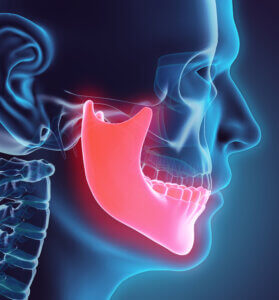 When it comes down to it, orthognathic surgery is surgery designed to correct the jaw. This surgery is going to reposition the bones in the face precisely to align the teeth, reduce discomfort and ensure symmetry in the face. It used to be that orthognathic surgery was used to correct bite issues and the aesthetics of the face. It can also be used to correct issues with the airway. Those who are booked into orthognathic surgery often have one or more of these issues at once !
Jaw surgery involves the separation of the bones with planned and precise movements. After they have been separated, they are then recast into a new position and this will help to create the ideal dental and facial relationship with the help of miniplates. All of this is done in a single procedure. Most of the time, those who are referred for jaw surgery are referred that way by their orthodontist or their doctor.
The cost for orthognathic surgery is $9999.00 per dental arch.
What Are The Benefits?
If the surgery is for a child, they will have the benefits of clearer airways and alleviating any obstructions to their airway, but for adults? Jaw surgery offers plenty of benefits to adults who have to go through the procedure. Some of the key benefits of orthognathic surgery include the following:
- Better confidence. If you are dealing with a severe under or overbite, then a jaw surgery is going to help you to build your confidence levels pretty quickly. No one should have to deal with a lack of confidence in life, and if your jaw can be fixed, then it’s the best thing that you can do to improve facial balance and make you feel much more confidence.
- Correcting genetic issues. Some find that orthognathic surgery can help to improve hypoplasia, smaller lower jaws and open bite deformities. There are also facial symmetry issues to be considered, too.
- Natural growth changes. As we mature, our face shapes change and when this happens, orthognathic surgery can help to improve facial deficiencies, reducing overgrowth issues. As your adult teeth come through, things change and with these natural growth changes it’s important to ensure that any issues that need correcting are done so early.
- Improving your breathing. Sometimes, orthognathic surgery can help to resolve obstructions in your airway. If your jaw is shaped in a way that is blocking your airway (midface, nasal or lower jaw growth), these common issues can be resolved.
- Helping your teeth to sit comfortably. When we shift the bone platforms we can improve the overall position of your teeth. This allows you a natural smile and instead of camouflaging the issue, orthognathic surgery can provide a more stable result.
Common Issues Leading To Orthognathic Surgery
One of the hardest things to go through is multiple tooth extractions and sometimes, jaw surgery is the way to avoid having to in the first place. With the help of things like 3D facial photography, 3D CBCT imaging, a digital airway volume assessment and an intra-oral digital scan, most orthognathic surgeons can see the issue you are having and come up with a surgical plan to ensure that you are as comfortable as possible throughout the procedure and beyond. Having the correct treatment designed for you is so important if you want to recover well. Some of the most common issues with the jaw and their solutions include:
- Growth excess in either a single or double jaw
- Forward projection or vertical plane deficiency
- Issues with facial asymmetry
- Chin projection or reduction
- Breathing obstructions in the nasal airway
If you think that you need help with your jaws and your facial structure, or you believe that your airway is obstructed, then the best thing to do is contact Grand Parkway Smiles in Katy, Texas.
Jaw Surgery: Treatment & Services
Before any jaw surgery can be planned out, there is a lot of imaging to get through. The doctor will use 3D photography and CT imaging extensively to evaluate your jaw issues and what your specific needs are. They will also help you with the ultimate goals that you want to achieve as an outcome of the orthognathic surgery in the first place. From traditional 2D facial photography to volumetric airway assessments, your doctor will spend time assessing your needs and these assessments can take several years when dealing with adolescent patients. As a result of the assessments, a customized orthognathic surgery solution can be created to allow for a natural facial structure and a more natural jaw.
Before Jaw Surgery: Things To Consider
Before you go into any surgery, you should have an idea of what you want to accomplish with it. Working with your specialist, you should have a before and after image in mind and that should be shared with healthcare providers. You should always be open with your expectations of receiving jaw surgery and as everyone has different needs, you can work closely with your specialists to help them to understand your personal goals.
It’s a process, and it’s so important that every patient about to embark on this journey understands this. Jaw surgery isn’t a ‘one and done’ event. There are often several years leading up to the procedure and as you think about jaw surgery, you should be thinking about beyond it, too. You may need orthodontic support before surgery and after surgery, and understanding the procedures you’re about to undertake will help you to feel more informed and ready to get going with it.
What Happens Before Jaw Surgery?
There is a lot of work that goes into jaw surgery before you even have it booked. Your specialist will go through many different steps with you to plan your surgery, this includes:
- X rays
- CT scanning
- Teeth and jaw photography
- Impressions of your teeth to create dental models
You are more than likely to need orthodontics before your surgery to prepare your mouth and teeth for your new jaw. They may remove some teeth, put braces on others and if you do need them, you’ll wear them for at least a year before your surgery, during and then for months afterwards. To prepare your jaw for surgery, your provider may restrict your food to liquid foods you can have without chewing. This includes smooth soups, milks, nutritional drinks and cooked veggies that a blender can liquify for you.
You’ll also be taken through the expectations for anesthesia before your surgery. Ask your healthcare provider about preparing your body for general anesthesia so that you can feel ready for it.
Different Types Of Jaw Surgery
Your Oral Surgeon and healthcare providers will take you through the type of jaw surgery that you need, but understanding all of the different types is so important regardless. Jaw surgery works to correct issues in your facial balance, breathing and your bite. There are three common types of jaw surgery to consider, and these are:
- Mandibular osteotomy. This is a surgery that is done to correct a lower jaw overbite or underbite.
- Maxillary osteotomy. If your upper jaw is too far back or too far forward, this will help to treat this type of bite. It can also treat a crossbite or open bite.
- Double surgery. Lastly, if your issue affects both your jaws, you’ll have a bilateral osteotomy.
Jaw Surgery: The Risks
As with any surgery, big or small, there are risks and complications to learn before you get started on your prep. There are some common surgical risks like the risk of bleeding or infection and then there are others that include anesthesia risks. There are also other risks that are specific to jaw surgery, which include:
- Damaged teeth
- The bones not healing correctly
- You have issues with the joints
- You can’t open your mouth as widely as you used to
- The numbness in your lips or cheeks remains that way after surgery
- There may need to be additional surgeries to fix the issue that the first surgery didn’t fix.
- Your original issue may reoccur
- You may have scarring
Jaw Surgery: Recovery
Recovery looks different for everyone who has a surgery – no matter the surgery type. Most people recover at home before they return to work. Healing takes some time and it could be a while before your jaw heals completely.
Post-surgery stitches will need to be removed in most cases so you will see your healthcare provider so that they can take out the splint and stitches. There are some instances where you should head to the emergency room after surgery, and these include:
- Are short of breath
- Have a high fever of over 100.4
- Are experiencing worsening pain
- You notice green or smelly discharge from the surgery site
- Dealing with vomiting or diarrhea
- The surgery site is red or hot
- You notice your stitches aren’t holding together
- Are experiencing more bleeding than necessary.
This is a major surgery and so you should make sure that you are sure of your decision first and foremost. The best thing that you can do is contact Grand Parkway Smiles and schedule an appointment with Dr. Ryan Smart he is a Board Certified Oral Maxillofacial Surgeon and performs all Orthognathic Surgeries in our Katy Tx office.