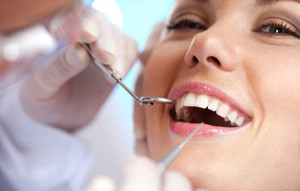
Preventive dentistry is the new, modern way to approach oral care and hygiene. If you’re unsure of what preventive dentistry is, it’s the act of helping a patient to avoid having any work done to their natural teeth. Many people will have fillings, tooth extractions, and all kinds of other things done when they visit the dentist. Some people even have it all done at a young age. This is usually down to the unhealthy lifestyles that people lead these days. However, with preventive dentistry, you can take care of your teeth better and avoid having any of these things done at all. You’ll be given a plan to help get your mouth in good condition, after which you’ll be put onto a maintenance plan. Preventive dentistry is especially good at stopping tooth decay, enamel wear and gum disease. However, it can be great for preventing other issues too.
The good news about preventive dentistry is that it’s never too late to have it. Whether you have a mouth full of your own teeth or even no teeth at all, preventive dentistry can be a good option for you. With regular visits to your dentist, even things like mouth cancer can be spotted and treated quickly. It’s a very good idea to start young, but you’re not too old to start having it done. Children should be taught a good oral hygiene routine as early on as possible, as this will help their adult teeth come in healthy and strong.
So, what will happen on a standard preventive dentistry visit?
You’ll usually start by having a check up, where you’ll discuss what you need to do to get your mouth in a healthy condition. You’ll then have a scale and polish to clean the teeth, and get some advice on how to treat your teeth once you’re at home. You may also be shown the best way to brush, floss, and rinse. If you have questions, now would be a good time to ask them. You might even be given some good advice on the best products to use for your teeth. You could also be asked about your diet to get an idea of your lifestyle, and whether it is affecting your teeth in any way. Taking good care of your teeth is great, but if your diet is unhealthy and you have a bunch of bad habits, you’re going to be doing some damage.
Your dental team might recommend you have treatment to stop you from damaging teeth further, if they need it. If you have a cracked tooth for instance, you might be advised to get an onlay to strengthen it. There are a number of different treatments you can go for to stop you from having an emergency. Your dentist will always advise you to act before it’s too late. Every 2-6 years you will also be required to have a mouth x-ray, depending on how healthy your mouth already is. 3D X-rays will help to spot any issues in the teeth and gums before you can physically see or feel them. This is an important part of preventing future issues.
Keeping up good dental habits at home.
You’ll need to make sure you keep up a good routine at home if you want your preventive dentistry to work well. You’ll want to brush twice a day, once before bed and once in the morning. Make sure you don’t brush immediately after eating or drinking, as the enamel on the teeth can soften and become damaged easily. Wait at least an hour, as this is how long it will take for your saliva to go back to normal. You should also make sure you floss. A lot of debris can get stuck in between the teeth. Using the proper technique for flossing is important. Make sure you ask your dentist if you’re unsure. Bleeding is normal at first, but it shouldn’t continue for very long. Brushing alone only cleans about 60% of the tooth’s surface, so flossing is an essential part of your routine! You’ll then want to rinse to be sure that your mouth is as clean and fresh as possible. A fluoride rinse is recommended. You should also ensure you eat a diet full of vegetables, minerals, and other healthy foods. The healthier you eat, the better for your teeth and general health. Smoking and drinking alcohol should be avoided for the best results. You should also chew sugar free gum, use a straw for sugary/acidic drinks, and cut down on sugary foods. You’ll not only have healthier teeth, but a healthier body too. Make sure you don’t skip dentist appointments either, as they will be crucial to keeping your teeth in the best condition. Visit the dentist as often as they recommend. This could be every 6, 9, or 12 months depending on the issues you have. The better you keep up your preventive routine, the less you’ll likely need to visit.
You’ll need to take care that your toothbrush doesn’t become too worn or frayed as you use it. Frayed bristles will not clean the teeth properly, and could even damage the gums. Some people replace theirs up to 4 times a year, but with electric toothbrushes you can simply replace the head. Keep an eye on it so you know when it needs to be changed. Don’t forget to brush your tongue, as this is another place bacteria can settle. Many dentists recommend that you use a mouthwash and a toothpaste containing fluoride, as it can strengthen the teeth.
By practicing preventive dentistry, you can prevent cavities, gingivitis and other oral health issues. Not only that, you may also prevent diabetes, cancer, heart disease, and other problems. Your oral health plays a big part in your overall health. Our teeth help us to chew food, make sounds, and shape the face. They make a big difference to the way we look overall, and can be a huge indicator of health. With ongoing treatment, preventive dentistry can help you to keep your own teeth forever!
To learn more about good dental practices and other information you can visit WebMd.com or call our office and schedule an appointment.