You notice it while brushing. A little pink in the sink. Maybe your gums feel puffy along the front teeth, or flossing makes one spot bleed every time. It's common to hope it will pass on its own.
It might, if the irritation is mild and you change what’s causing it. But bleeding gums are rarely random. They’re usually your mouth’s first warning that plaque is sitting at the gumline longer than it should.
If you want to know how to improve gum health naturally, start with a simple truth. Healthy gums aren’t separate from a healthy smile. They’re the tissue that holds your teeth in place, frames your smile, and protects the bone underneath. When gums are inflamed, your mouth often looks less healthy before it feels less healthy. Teeth can appear longer, the gumline can look uneven, and chronic irritation can leave your smile looking dull even when the teeth themselves are clean.
Natural gum care can help a great deal. Good brushing technique, careful flossing, a supportive diet, simple rinses, green tea, and oral probiotics all have a role. But natural care works best when it’s grounded in reality. Some methods calm inflammation. Some shift the oral bacteria in a healthier direction. None of them remove hardened tartar under the gums, and none should be treated like a substitute for diagnosis when symptoms persist.
The Unseen Foundation of a Healthy Smile
A parent usually notices gum trouble in a small moment. A child spits after brushing and there is a faint pink tint in the foam. An adult sees one area bleed every time floss catches between two back teeth. Those early changes matter because gum tissue often shows stress before a tooth ever starts to hurt.
Gums are not just background tissue. They form the protective collar around each tooth, help block bacteria from moving deeper under the surface, and shape the way a smile looks. When the tissue is calm and firm, teeth look cleaner and more even. When the gumline stays inflamed, plaque clings more easily, brushing feels unpleasant, and people often miss the exact spots that need better cleaning.
Why gum health changes how your smile looks
In practice, I often see patients focus on the color or alignment of their teeth while overlooking the tissue around them. Yet the gumline is what frames the smile.
Healthy gums usually appear firm, snug, and symmetrical. Irritated gums often look puffy, shiny, or uneven around the edges. If inflammation continues, recession can follow, which may leave teeth looking longer and feeling more sensitive to cold air, sweets, or brushing.
Healthy gums are part of smile design. If the frame is inflamed, the smile will not look its best, even when the teeth are white.
This matters for children too. Early gum irritation in kids is often tied to brushing technique, mouth breathing, orthodontic appliances, or inconsistent plaque removal rather than advanced periodontal disease. Catching those patterns early helps families avoid habits that turn minor inflammation into a recurring problem.
What natural care can and cannot do
Natural gum care works best as steady preventive care, not as wishful thinking. It can calm mild inflammation, support a healthier oral environment, and make a daily routine easier to maintain. Families who prefer lower-irritation products sometimes start with ingredient changes. Our guide to toothpastes can help you compare options more clearly, and this guide to natural oral care gives a helpful overview of gentler product choices.
One natural strategy that deserves more attention is oral probiotics. Research is still developing, but the idea is practical. If the mouth contains fewer bacteria associated with inflammation and more strains that help keep the environment balanced, gums may stay calmer. I see the strongest fit in preventive care, especially for families, children with frequent plaque buildup, orthodontic patients, and adults who keep getting the same mild gingivitis despite brushing regularly. Oral probiotics are supportive, not curative, and product quality varies, so they work best as part of a broader plan.
Natural methods may help with:
- Mild gingivitis caused by plaque sitting at the gumline
- Temporary tenderness or puffiness after home care slips
- Maintenance between cleanings when the goal is to keep tissue calmer
- Family prevention routines that children and adults can realistically follow
Natural methods do not:
- Remove tartar once plaque hardens onto the teeth
- Clean deep periodontal pockets under the gums
- Restore lost attachment or bone support on their own
- Explain persistent bleeding, recession, bad breath, or loose teeth without an exam
The trade-off is simple. Natural care is useful and often effective for early inflammation, but only if the problem is still reversible at home. Once deposits harden or the gum attachment starts to break down, professional treatment becomes the faster, safer path.
Mastering Your Daily Oral Care Routine
If you skip every other natural remedy in this article but improve your brushing and flossing technique, your gums will usually notice. Most bleeding gums come back to one issue. Plaque stays in place at the gumline because the routine is rushed, inconsistent, or mechanically ineffective.
That doesn’t mean you need a complicated setup. You need the right movements, the right pressure, and enough patience to clean where inflammation starts.
Brush for the gumline, not just the teeth
Many adults brush the centers of their teeth well and miss the margins where plaque collects. Gum tissue doesn’t care how shiny the middle of the tooth is if the edge near the gums stays coated.
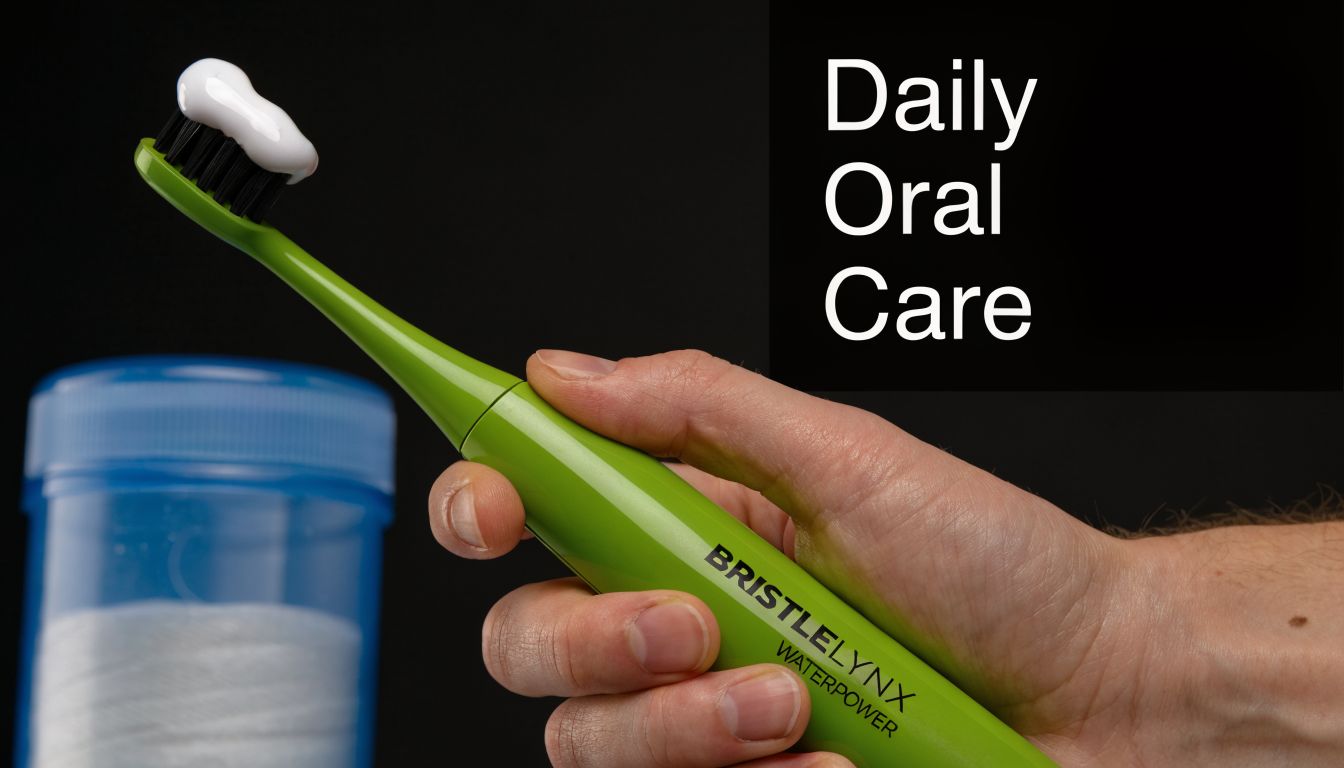
A soft-bristled manual brush can work well. An electric brush can make consistency easier, especially for people who tend to scrub too hard or rush the inner surfaces. If you’re comparing formulas, our guide to toothpastes can help you think through ingredient choices without turning the process into guesswork.
Use a Modified Bass technique approach:
- Place the bristles at a slight angle toward the gumline. You want the tips of the bristles to reach just under the edge of the gums, not press straight into the tooth.
- Use short vibrating strokes. Tiny motions clean better than wide back-and-forth scrubbing.
- Move tooth by tooth. The goal is coverage, not speed.
- Reduce pressure. If the bristles splay, you’re pushing too hard.
- Don’t skip the tongue side of the lower front teeth. That area collects buildup quickly.
Hard brushing doesn’t make gums healthier. It often makes them sorer and can contribute to recession over time.
Floss so it cleans the tooth surface
Flossing fails when it becomes a quick snap in and snap out. The floss has to hug the tooth. Otherwise, it misses the plaque that sits against the enamel and just below the contact point.
Try this sequence at the sink tonight:
- Guide, don’t force: Ease the floss between the teeth without cutting into the gums.
- Wrap into a C shape: Curve the floss around one tooth so it hugs the side wall.
- Slide below the edge of the gum: Go gently under the margin until you feel resistance, not pain.
- Wipe upward several times: Clean the tooth surface, then repeat on the neighboring tooth.
- Use a clean section each time: Reusing the same segment moves debris around.
Practical rule: If flossing always makes the same spot bleed, don’t stop flossing that area. Clean it more carefully and watch whether the bleeding decreases over several days.
Keep the routine simple enough to repeat
A perfect routine that lasts three nights isn’t better than a solid routine you maintain for months. For most families, that means choosing tools they’ll use.
A practical home setup often includes:
- A soft brush or electric brush that feels comfortable enough for daily use
- Floss or floss picks for the areas that trap food consistently
- A non-irritating toothpaste you don’t dislike using
- A routine tied to existing habits such as brushing before showering or flossing before your nighttime show
If you prefer a more ingredient-focused approach, this guide to natural oral care offers a useful overview of how some people think about toothpaste and mouth care products from a more natural perspective.
Small mistakes that keep gums inflamed
A lot of gum irritation comes from habits that seem harmless.
| Habit | Why it backfires |
|---|---|
| Brushing harder | It can irritate the tissue without removing more plaque |
| Flossing only where food is stuck | It leaves quiet inflammation untouched in other areas |
| Skipping night care | Plaque sits undisturbed for hours while saliva flow drops |
| Changing products constantly | It becomes harder to tell whether the technique is the real problem |
Strong gum health starts with boring consistency. That’s good news. It means the most powerful natural tool is already in your bathroom.
Nourish Your Gums with Diet and Key Supplements
A common pattern in our office looks like this. A parent tells me the family is brushing more consistently, but the gums still look puffy, bleed during flossing, or stay tender around certain teeth. At that point, I stop looking only at the toothbrush. I start looking at what the gum tissue has to work with every day.
Gums are active tissue. They repair, defend, and respond to irritation constantly. Food choices influence collagen support, saliva flow, and the balance of bacteria that settle along the gumline. If the diet keeps pushing toward frequent sugar, acidic drinks, and low-fiber convenience foods, the tissue often stays reactive longer than it should.
Feed the jobs your gums have to do
Diet advice works better when it is tied to function.
Your gums need nutrients and habits that help them rebuild collagen, tolerate daily bacterial stress, and recover from minor irritation. That shifts the conversation away from perfect eating and toward practical patterns people can repeat at home.
Useful examples include:
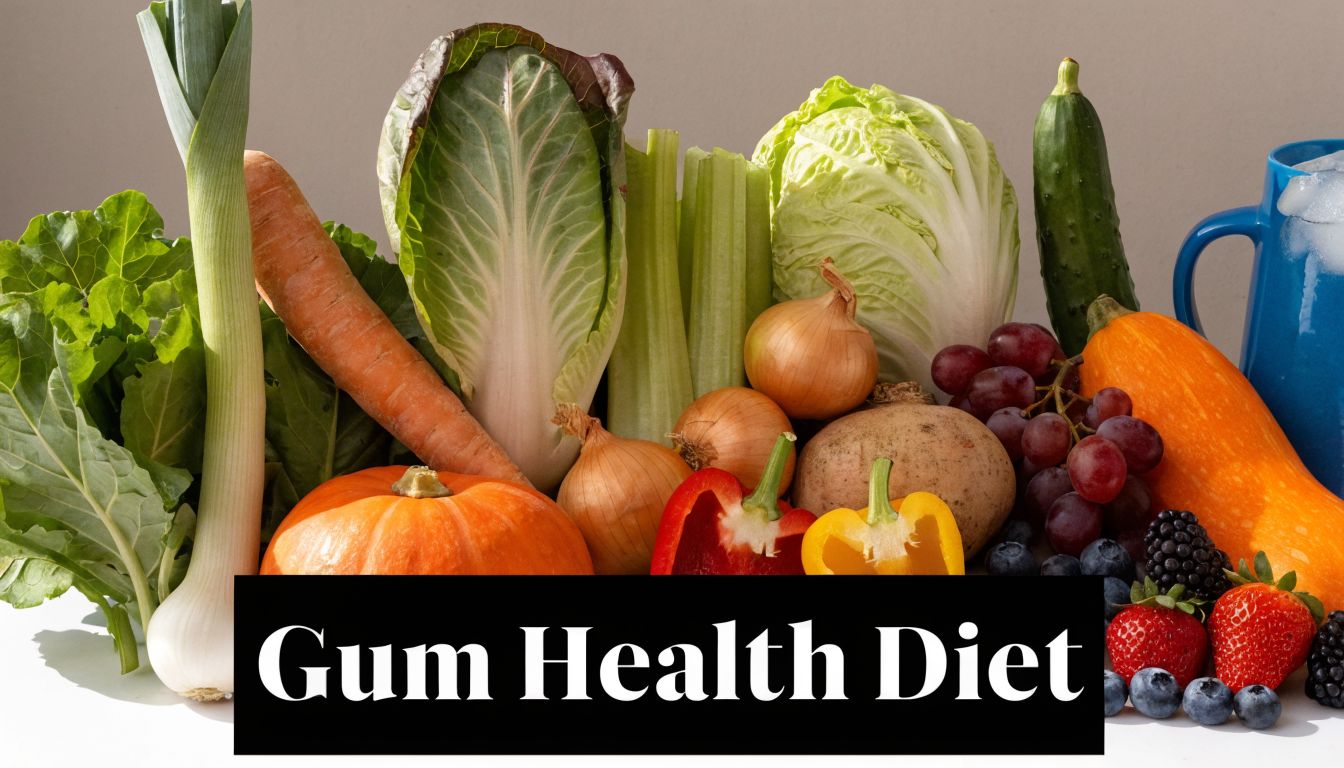
- Vitamin C-rich foods such as berries, peppers, kiwi, and citrus to support collagen formation and tissue repair
- Protein at regular meals because healing tissue needs amino acids, not just vitamins
- High-fiber vegetables that encourage chewing and saliva flow
- Omega-3-rich foods such as salmon, sardines, walnuts, and flax, which fit an eating pattern that tends to support calmer tissue responses
- Fewer sugary snacks between meals so plaque bacteria are not being refueled all day
Frequency matters almost as much as food choice. A dessert with dinner is usually easier on the gums than constant grazing on crackers, gummies, dried fruit, or sweetened drinks.
Green tea can be a useful add-on
Green tea earns attention because it is realistic for many adults. It is inexpensive, easy to find, and may help support a healthier oral environment when used consistently as part of a good routine.
I frame it as a support tool, not a treatment. Unsweetened green tea after meals is a reasonable option for adults who enjoy it. The trade-off is simple. It can stain some teeth and restorations over time, and adding honey or sugar cancels part of the benefit.
For children, green tea is usually not my first nutrition-based recommendation because of caffeine and taste acceptance. Water, balanced meals, and lower snack frequency usually give families a better return.
Oral probiotics deserve a place in the conversation, especially for families
This topic gets overlooked in gum-health articles, but it matters in preventive care. Oral probiotics are made for the mouth, not the digestive tract. The goal is to support a healthier oral microbiome by introducing beneficial strains that can compete with less desirable bacteria.
That matters for adults. It may matter even more for families trying to build habits early.
In pediatric and family dentistry, the best preventive strategies are the ones parents can use consistently without turning every evening into a fight. For some children and teens, a chewable or lozenge-based oral probiotic can be a reasonable add-on if the product is age-appropriate and used as directed. I do not present probiotics as a shortcut, and they do not replace brushing, flossing, or professional care. They can be useful for families dealing with repeated gum irritation, bad breath, orthodontic challenges, or a history of mouth dryness.
The trade-offs are real. Younger children may not use lozenges safely, some products have limited strain-specific evidence, and cost can add up if a family starts a supplement no one will take consistently. The better approach is selective use. Choose products designed for oral health, pay attention to age recommendations, and ask your dentist whether the strain and delivery form make sense for your situation.
Supplements help when they fit a real need
Supplements are support, not strategy.
Vitamin C is the clearest example because gum tissue depends on it for collagen maintenance and repair. Some patients also ask how nutrient status connects to bone and oral tissues more broadly. If you are exploring that question, this overview on understanding vitamin K2 offers useful background.
The bigger question is usually more practical. Are meals giving your gums steady support, or are you asking a supplement to cover for dehydration, frequent snacking, and inconsistent food quality?
Start with food and routine. Add supplements carefully, with a specific reason. That approach is usually safer, more affordable, and easier to maintain.
Lifestyle Changes That Directly Impact Gum Health
A patient can brush twice a day, floss most nights, and still sit in my chair with gums that stay tender or bleed too easily. In those cases, the problem often starts outside the sink area. Gum tissue responds to the conditions it lives in all day, especially nicotine exposure, poor sleep, chronic stress, dry mouth, and frequent acidic or sugary drinks.
That is why learning how to improve gum health naturally has to include daily habits, not just toothpaste and mouthwash.
Smoking and nicotine can hide trouble while slowing healing
Nicotine changes blood flow in the gums. Tobacco smoke adds heat, toxins, and irritation. The result is a pattern I see often in practice. Gums may bleed less than expected even while inflammation is getting worse, so people assume everything looks stable when it is not.
The trade-off is straightforward. Some patients switch from cigarettes to vaping and expect a clear gum-health benefit. That change may reduce some exposures, but it does not remove the nicotine-related effects on circulation and healing. If you smoke or vape, gum disease can become easier to miss and harder to reverse early.
Stress shows up in the mouth faster than many families expect
Stress changes behavior and body chemistry at the same time. People clench, skip parts of their routine, reach for snack foods more often, breathe through the mouth, and sleep less soundly. Gums tend to react to all of it.
Small, repeatable changes usually work better than ambitious plans that last four days. Start here:
- Drink water regularly so the mouth does not stay dry for long stretches
- Pay attention to mouth breathing, especially during work, exercise, and sleep
- Protect your sleep window because poor sleep often leads to worse brushing, more snacking, and more inflammation
- Notice jaw tension in the morning if clenching may be adding stress to the teeth and gums
If your gums calm down during vacations and flare during hard weeks, that pattern is meaningful.
Oral probiotics can support preventive routines for adults and children
Families often do better with habits that are simple enough to repeat. Oral probiotics fit that model when they are chosen carefully and used for a clear reason. They do not replace plaque control, but they may help support a healthier oral environment, especially in families dealing with recurring gum irritation, bad breath, braces, or mouth dryness.
As noted earlier, research on oral probiotics is encouraging in both adults and children. That matters in a preventive practice because children are not just smaller adults. Delivery method, flavor, safety, and consistency all affect whether a product has any real value at home. A child who will never use a rinse correctly may still do well with an age-appropriate probiotic made for oral use.
There are limits. Some products are better studied than others, younger children may not be good candidates for lozenges, and the monthly cost needs to make sense for the family. Used selectively, though, oral probiotics can be a practical addition to a prevention-first routine.
Hydration changes the environment your gums live in
Saliva does quiet protective work all day. It helps clear food debris, buffers acids, and supports the balance of the mouth. When saliva flow drops, plaque tends to build faster, tissues feel more irritated, and recovery is slower.
A simple pattern check helps:
| Daily pattern | What gums often experience |
|---|---|
| Frequent water intake and regular meals | More comfortable tissue and better natural cleansing |
| Constant sipping of sweet or acidic drinks | Repeated irritation and more plaque-friendly conditions |
| Dry mouth from stress, medications, or mouth breathing | More buildup, more tenderness, and slower recovery |
None of these habits is flashy. They still matter. Changing the conditions around your gums every day often improves results more than adding another product to the bathroom counter.
Safe and Effective Home Remedies for Gum Support
A parent notices a child’s gums look puffy near the molars. An adult sees a little pink in the sink after brushing. In both cases, the next step should be simple, safe support at home, not a kitchen-sink experiment with every “natural” remedy online.
Home remedies have a place, but only as support for plaque control and tissue comfort. The ones I recommend in practice are low-risk, easy to use correctly, and realistic for busy families. If a remedy is messy, irritating, or so time-consuming that it replaces brushing and flossing, it usually creates more trouble than benefit.
Two options come up often. Oil pulling and saltwater rinses. They do different jobs, and they ask different things from the person using them.
Oil pulling can help some adults, but it is not for everyone
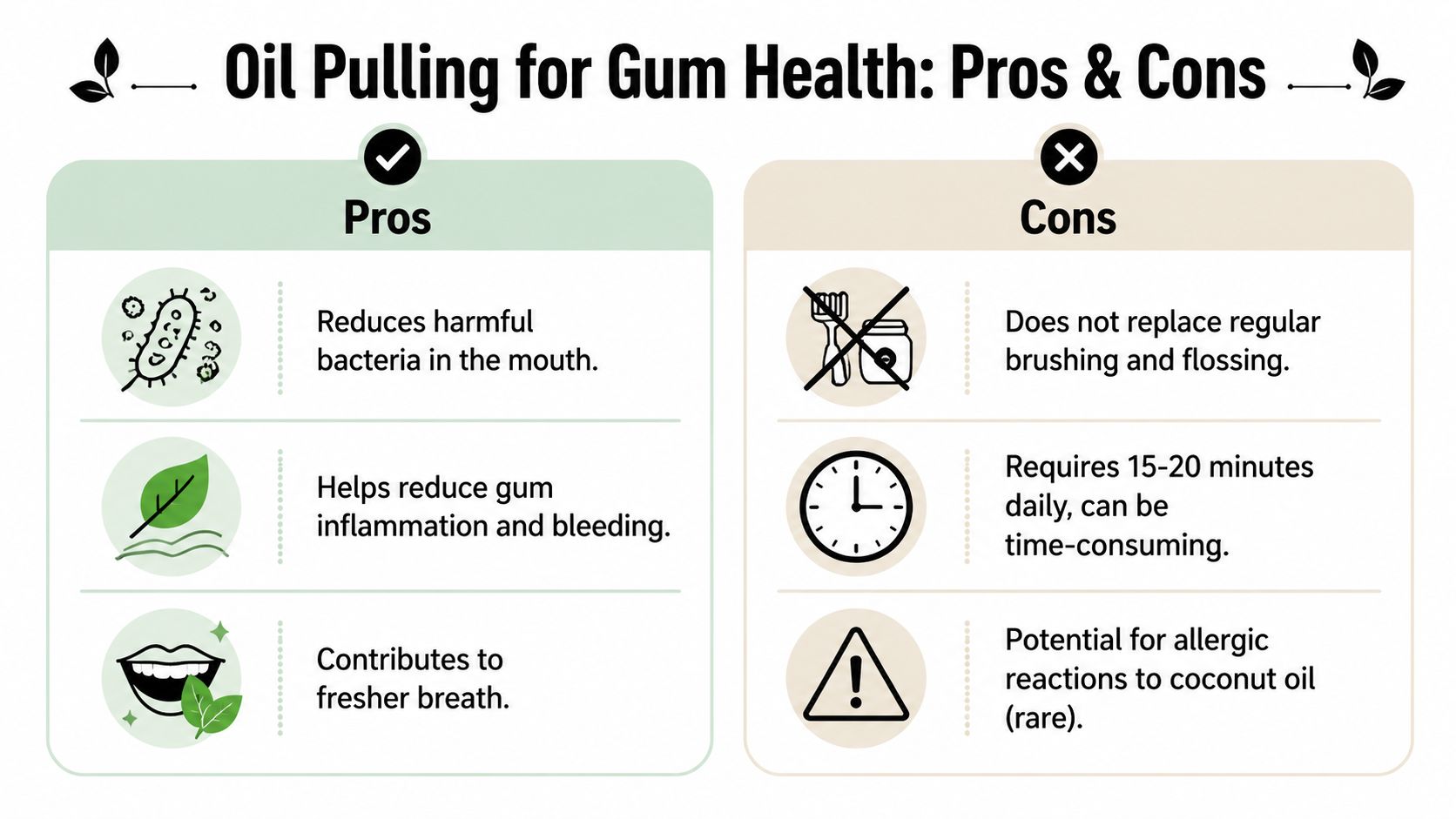
Oil pulling with coconut oil attracts patients who want a natural add-on and prefer to avoid alcohol-based rinses. Some small studies suggest it may help reduce plaque and mild gum inflammation when used consistently, and this oil pulling guidance for gum care outlines the commonly recommended method: 1 tablespoon of virgin coconut oil, swished gently for 15 to 20 minutes, then spit into the trash, rinse, and brush and floss.
That routine can work for motivated adults. It is a poor fit for many children, for anyone with jaw soreness, and for families trying to keep oral care simple before school.
A practical way to judge oil pulling is to ask one question. Will you still brush thoroughly afterward? If yes, it may be a reasonable extra step. If no, skip it.
Pros
- May lower surface plaque levels as an add-on to regular home care
- Can soothe mild gum irritation for some adults
- Appeals to people who want a simple ingredient
Limits
- Takes 15 to 20 minutes
- Does not remove tartar
- Should not replace brushing, flossing, or professional care
- Is not a good option for young children, who may swallow it or struggle with the texture
How to use oil pulling safely
Details matter more than trends.
- Use virgin coconut oil.
- Swish gently. Aggressive swishing can make the jaw tired.
- Spit into a trash can. Oil can clog plumbing as it cools.
- Rinse and brush afterward.
- Stop if it causes nausea, coughing, or jaw discomfort.
I also advise parents to keep this one adult-focused unless a dentist has given age-specific guidance. Children do better with routines they can perform correctly every day. In a family setting, that often means brushing well, cleaning between the teeth, and using age-appropriate products consistently. For some kids, oral probiotics fit that prevention-first approach better than a long swishing routine because they are easier to use as directed and better aligned with pediatric habits.
Saltwater rinses are usually the more practical home remedy
Saltwater is less trendy and more useful day to day. It can calm irritated tissue, help after food has been trapped around a tooth, and make brushing more tolerable when gums feel tender.
Use 1 teaspoon of salt in a glass of warm water. Swish for about 30 seconds, then spit. Once or twice a day is usually enough for short-term irritation.
Saltwater works well for:
- Temporary gum tenderness
- Mild swelling around an area that has been hard to clean
- Support after improving brushing and flossing around an inflamed spot
- Families who want a low-cost option with very little risk
It still has limits. Saltwater does not remove sticky plaque very well, and it does not remove hardened buildup below the gumline. If gums stay inflamed because tartar is present, home rinses can make the area feel better without fixing the source. That is often when a deep cleaning for gum disease and tartar below the gums becomes the treatment that changes the outcome.
A quick guide to choosing the right remedy
| Remedy | Best fit | Main drawback |
|---|---|---|
| Oil pulling with coconut oil | Adults willing to add a longer daily ritual | Time-heavy and technique-dependent |
| Saltwater rinse | Short-term soothing support for irritated gums | Comfort measure, not a treatment for tartar or deeper infection |
Patients also ask about aloe, turmeric, clove oil, hydrogen peroxide, and essential oil blends. My advice stays fairly steady. Be cautious with anything concentrated or strongly flavored, especially for children and for gums that already look red or swollen. Inflamed tissue is easy to irritate.
The best home remedy is the one that supports a routine you can keep. Gentle, consistent care beats dramatic remedies almost every time.
When Natural Care Needs Professional Support
A parent notices blood in the sink after helping a child brush for the third night in a row. An adult sees the same spot bleeding every time they floss, even after switching to a softer brush, adding green tea, and staying consistent with home care. That pattern matters. Persistent bleeding usually means the problem is no longer just surface irritation.
Natural care helps gums respond better. It does not remove tartar under the gumline or measure the depth of a periodontal pocket. Once plaque hardens and collects below the tissue, the gums stay inflamed until that buildup is professionally removed.

Signs that home care isn’t enough
Watch for patterns, not just isolated bad days. These signs deserve an exam:
- Bleeding that continues after a week or two of better brushing and flossing
- Breath odor that returns quickly
- Gums pulling back or teeth looking longer
- One area that stays sore or puffy
- A bite that feels different or teeth that seem slightly mobile
- Swelling, drainage, or a pimple-like bump on the gums
In children, I also pay attention to gums that stay inflamed despite a parent improving brushing at home. Sometimes the issue is plaque retention around crowded areas or erupting teeth. Sometimes it is mouth breathing, frequent snacking, or a brushing routine that looks good on paper but misses the gumline in practice. Those details change the plan.
Why professional treatment changes the outcome
The difference is simple. Soft plaque can often be disrupted at home. Hardened tartar cannot.
If tartar sits under the gums, the tissue reacts to it day after day. Brushing harder usually makes the area more irritated, not cleaner. A professional deep cleaning for tartar and buildup below the gums gives us a way to remove what home tools cannot reach and smooth the root surface so the tissue has a better chance to calm down.
The goal is health, not just a cleaner appearance. Less bacterial buildup means less inflammation, less bleeding, and a better environment for the gums to tighten around the teeth again.
If the same area keeps bleeding, the cause is often deeper than what you can see in the mirror.
Natural care still has a role after treatment
Professional care works best when home care improves right alongside it. That is where natural strategies still earn their place.
A simple saltwater rinse can soothe irritated tissue for a few days. Green tea may fit well for adults who already drink it without added sugar. Oral probiotics are an emerging area that I find especially interesting for families because they focus on shifting the mouth toward a healthier bacterial balance, not just scrubbing everything away. They are not a substitute for brushing, flossing, or treatment. They may be a reasonable add-on for patients who get repeated gum irritation, have frequent bad breath, or need help rebuilding a healthier routine after periodontal therapy.
For children, that matters even more. Kids are not good candidates for strong rinses, harsh essential oils, or complicated routines they will not keep doing. A child-friendly probiotic, used only when the product is age-appropriate and a dentist agrees it makes sense, can be easier to stick with than adult-style home remedies. The trade-off is that probiotics support the environment gradually. They do not fix active infection, heavy tartar, or deep pockets.
Conservative care can include advanced treatment
Patients sometimes worry that agreeing to treatment means giving up a natural approach. In practice, the opposite is often true. Early professional care is one of the best ways to preserve your own teeth and avoid more invasive procedures later.
Scaling and root planing remove the source of inflammation while keeping the focus on tissue preservation. In selected cases, dentists may also recommend healing-supportive options such as PRF after treatment. The principle stays the same. Clear the infection, reduce the bacterial load, and give the gums a better chance to recover with steady care at home.
Your Partners in Lifelong Gum Health
Healthy gums rarely come from one heroic fix. They come from repeated small choices that work together. Clean the gumline well. Floss with intention. Eat in a way that supports tissue repair. Use natural helpers like green tea, oral probiotics, saltwater rinses, or oil pulling when they fit your needs and don’t distract from the basics.
That approach improves more than comfort. It protects the appearance of your smile. Firm, even gums make teeth look cleaner, brighter, and more balanced. They also create a stronger foundation for any future dental work, from simple fillings to more advanced restorative treatment.
If your gums are only mildly irritated, home care may be enough to turn things around. If the symptoms linger, the smartest move is to get clarity early. There’s no conflict between natural care and professional care. The best results usually come from using both well.
Good gum health is one of the most valuable long-term investments you can make in your mouth. It supports comfort, confidence, function, and the look of your smile every single day.
If you’re ready to build a practical plan for healthier gums, Grand Parkway Smiles can help. Our team serves Katy and the greater Houston area with preventive, pediatric, restorative, and advanced dental care, so whether you need guidance for early gum irritation, a professional cleaning, or treatment for more serious periodontal concerns, you can get clear answers and personalized support in one place.