Facing the idea of a full mouth extraction can feel overwhelming, but it's important to know this isn't an ending. For many, this procedure is the first real step toward a life free from chronic dental pain, paving the way for a beautiful, functional, and healthy new smile.
A Fresh Start for Your Dental Health
Let's use an analogy. Think of it like a house with a failing foundation. You could keep making small, expensive repairs that never quite fix the core issue. Or, you can choose to build a new, solid structure from the ground up. That’s what a full mouth extraction, sometimes called a complete dental clearance, really is—a decision to remove compromised teeth to create a healthy foundation for your future smile.
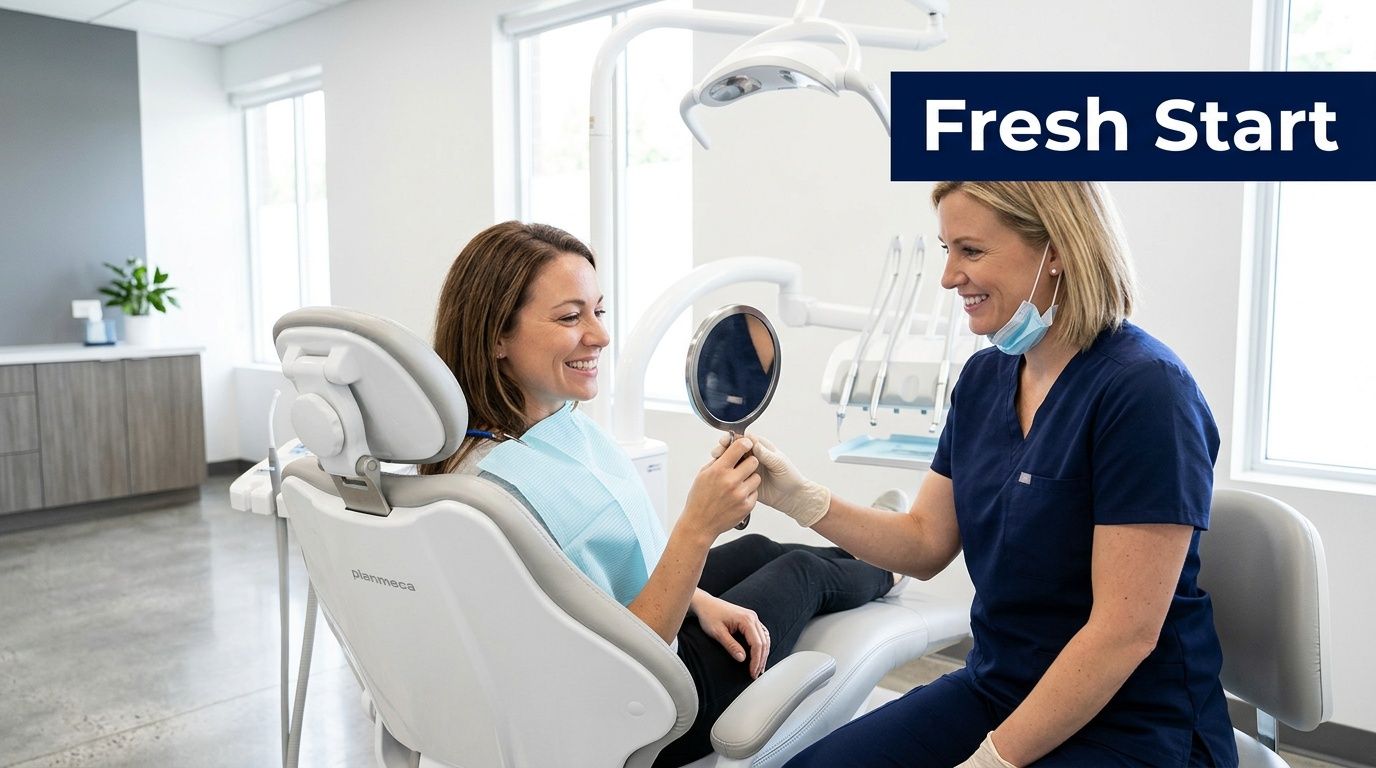
While it might sound drastic, it often becomes the most logical and beneficial path to restore your appearance and oral health.
The Rationale Behind the Recommendation
A recommendation for full mouth extractions usually comes after widespread and advanced problems have taken hold. Most often, this is due to severe periodontitis (gum disease) or deep, extensive caries (cavities) that have made trying to save the remaining teeth impractical. Research shows these two issues are the main culprits behind tooth loss in adults, often leading to so much bone destruction that teeth become loose and proper hygiene is impossible. You can learn more about the clinical reasons for this procedure at anveli.dental.
The goal is simple: eliminate the source of chronic infection and constant pain. This creates a clean slate, allowing your body to heal and preparing your mouth for a modern tooth replacement solution that can truly restore your appearance and quality of life. The benefits are profound:
- Ending Chronic Pain: Finally getting rid of the source of constant toothaches and sensitivity.
- Improving Overall Health: Removing deep-seated infections that can impact your entire body’s health.
- Restoring Function: Setting the stage for new teeth that let you eat, speak, and laugh with ease.
- Boosting Confidence: Creating a beautiful new smile you’ll be proud to share.
Finding the right information and specialist is key. It's interesting how even healthcare is changing to help patients find care more easily; there are now entire strategies that can boost AI search presence for clinics so they can better connect with people in need.
No one ever wants to hear that they might need all of their teeth removed. It's a daunting thought, and we understand that. But it's important to see this recommendation not as an ending, but as a new beginning—a chance to finally get ahead of chronic dental problems and start fresh with a healthy, beautiful smile.
A decision for a full mouth extraction isn't made on a whim. It typically comes after a long road of trying to save individual teeth, when it becomes clear that patching and repairing is no longer a sustainable solution for a healthy, functional mouth. This procedure is about choosing a definitive path toward renewed confidence and health.
So, when does this become the best path forward? It usually boils down to a point where the very foundation supporting your teeth has failed beyond repair, impacting both your health and appearance.
Advanced Gum Disease
One of the most common culprits is advanced gum disease, also known as severe periodontitis. This isn't just a little bleeding when you brush; it's a deep-seated infection that has relentlessly destroyed the bone holding your teeth in place. Your teeth might feel loose, start to shift, or cause a constant, nagging pain, all of which can significantly affect your smile's appearance.
At this stage, the damage is unfortunately irreversible. Trying to save one tooth at a time becomes a losing battle against an infection that can even impact your overall health. Removing the teeth gets rid of the source of the disease entirely, giving your gums and jawbone a chance to heal and stopping the destruction in its tracks. This creates a healthy base for a beautiful, stable new set of teeth.
Widespread Tooth Decay and Damage
Another situation we often see involves tooth decay that is simply too widespread and severe to fix. When cavities grow so large that there’s not enough healthy tooth left to hold a filling or a crown, we call those teeth "non-restorable." This can happen over many years or be due to things like severe acid erosion or even genetics, leading to an appearance that can make you want to hide your smile.
Major dental trauma from an accident can also damage multiple teeth so badly that they can't be saved. In these heartbreaking cases, extraction followed by restoration is the most effective way to restore your ability to chew, speak, and smile with confidence again.
Widespread decay and gum disease are not just isolated dental issues; they can become a significant public health concern. In fact, full mouth extractions remain a reality for many, particularly older adults.
For instance, data from America's Health Rankings shows that 12.1% of U.S. adults aged 65 and older have had all their teeth removed due to decay or gum disease. These statistics often reflect disparities tied to income and access to care, highlighting how severe dental problems can escalate. You can explore the full report on senior health outcomes to understand these trends better.
Finally, sometimes a history of extensive dental work just starts to fail. If you have a mouth full of old crowns, bridges, and large fillings that are breaking down—and the teeth underneath are too weak for new restorations—hitting the reset button is the smartest move for your long-term health and appearance.
Ultimately, a full mouth extraction is about dramatically improving your quality of life. It’s about removing the sources of chronic pain and infection to set the stage for a healthy, stable, and confident new smile.
What to Expect During the Extraction Procedure
Walking into a full mouth extraction can feel overwhelming, but knowing exactly what happens can make a world of difference. It helps to think of this not as one single event, but as a carefully planned process. From the moment you step into our office for your first look, everything is designed around your comfort and achieving a fantastic long-term result. It all starts with a very detailed assessment to design your future smile.
This isn't your average check-up. We start with an in-depth evaluation using state-of-the-art tools like a 3D CBCT (Cone Beam Computed Tomography) scanner. This machine creates a precise, three-dimensional map of your entire mouth, letting us see everything—the exact position of every tooth root, the quality of your jawbone, and the location of critical nerves and sinuses. This detailed blueprint is the key to planning your surgery for the safest, most predictable outcome possible.
Ensuring Your Comfort Every Step of the Way
Let's talk about the number one question on most people's minds: pain. We get it. Thankfully, modern dentistry has come a long way, and we have excellent methods to make sure you are completely comfortable from beginning to end. A full mouth extraction is always done under effective anesthesia, which means you won't feel any pain during the actual procedure.
We have a few different options to manage both pain and any anxiety you might feel:
- Local Anesthetic: This is the cornerstone of a pain-free experience. It completely numbs the area we're working on. You might be aware of some pressure or movement, but you won't feel any sharpness or pain.
- Sedation Dentistry: If the thought of surgery makes you anxious, we have sedation options that can help. This can be as simple as an oral sedative you take before your appointment or as comprehensive as IV sedation, which is monitored by a professional. Sedation will put you in a calm, dream-like state, and many patients have little to no memory of the procedure afterward.
The infographic below shows some of the main reasons why this type of procedure becomes a medical necessity.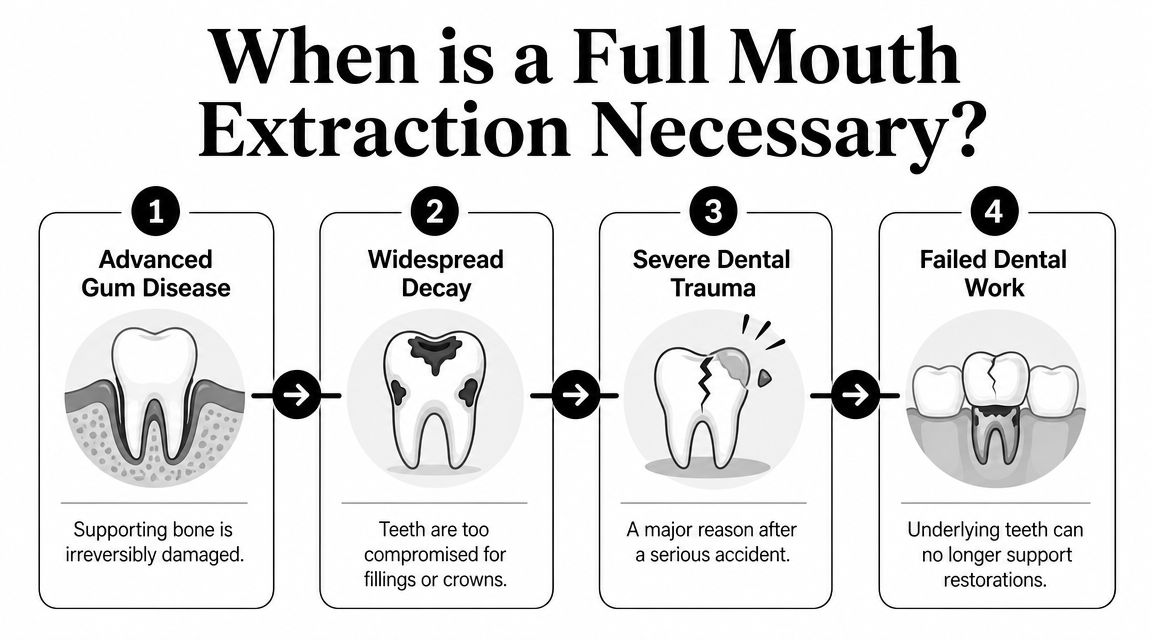
As you can see, problems like advanced gum disease or severe, widespread decay can sometimes damage the mouth to a point where individual fixes just aren't enough to restore your health and appearance.
The Surgical Process and Jaw Preparation
On the day of your surgery, we’ll start once you are totally numb and comfortably sedated. The surgeon then begins gently removing the teeth that need to go. We use specific techniques to preserve as much of your natural jawbone as we can, which is absolutely vital for supporting your future smile, whether that’s with dentures or dental implants.
After the teeth are out, the surgeon will carefully smooth and re-shape the jawbone. This step is called an alveoloplasty, and it's essential for creating a smooth, stable foundation for your new teeth. It gets rid of any sharp spots that could cause sore spots under a denture or implant bridge later on.
This isn't just about taking out the bad stuff; it's about building a solid foundation for your future. By carefully preparing the jawbone, we ensure that your new smile will fit just right, feel comfortable, and look completely natural. The whole thing is really a strategic reset for your oral health, clearing the way for a future that is pain-free and full of confidence.
Choosing the Right Path to Your New Smile
Once your failing teeth are gone, the real work of building your new smile begins. This isn't the end of the road; it's the first step toward getting a healthy, functional set of teeth that lets you live your life to the fullest. Thankfully, modern dentistry gives us some incredible options, meaning you can walk out of your procedure with teeth that immediately improve your appearance and change your life for the better.
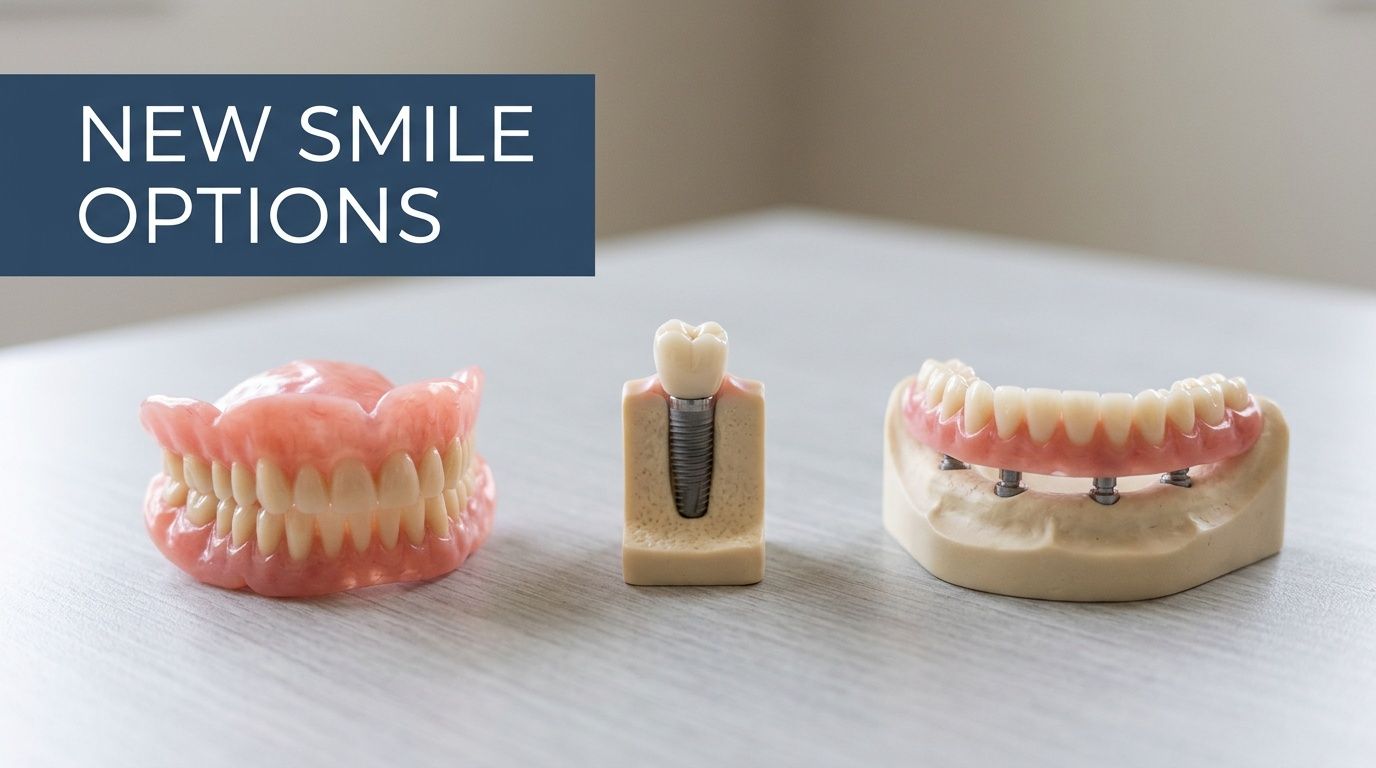
The goal is to get you back to eating, talking, and smiling with complete confidence. Let's look at the main ways we can get you there.
From Removable to Fixed Solutions
The world of tooth replacement has a few different avenues, and each has its own pros and cons. The best choice for you really boils down to your own goals for appearance, function, and your daily life.
- Immediate Dentures: Think of these as a temporary set of teeth we place on the very same day as your extractions. Their biggest advantage is that you never have to be seen without teeth, ensuring your appearance is maintained. They also act as a protective covering for your healing gums and help you get used to wearing a denture.
- Traditional Removable Dentures: After your gums have had a few months to fully heal and settle, we’ll make you a final, custom-fit denture. These fit much better and look more natural than the immediate ones. Today’s dentures offer a beautiful, life-like appearance.
- All-on-4 Dental Implants: This is where the benefits for appearance and function truly shine. Instead of just sitting on your gums, your new teeth are permanently attached to a handful of dental implants. This gives you a level of stability and chewing power that removable dentures just can't match, along with a stunningly natural look.
The biggest difference you'll feel with a fixed solution like All-on-4 is the massive, immediate upgrade in how well you can eat and speak. Since the teeth are anchored right into your jawbone, they act and feel almost exactly like natural teeth—no more worrying about slipping, clicking, or discomfort.
To help you visualize the differences, here's a quick comparison of the main options available after a full mouth extraction. This table breaks down key features to help you understand what to expect in terms of function, appearance, and daily care.
Comparing Your Tooth Replacement Options After Extraction
| Feature | Immediate Dentures | Traditional Dentures | All-on-4 Dental Implants |
|---|---|---|---|
| Placement | Same day as surgery | After 3-6 months of healing | Often same day as surgery |
| Stability | Low; can shift easily | Fair; relies on suction/adhesives | Excellent; fixed to jawbone |
| Chewing Power | Limited; soft diet required | Moderate; some foods difficult | Nearly natural; few restrictions |
| Maintenance | Daily removal for cleaning | Daily removal for cleaning | Brushed in the mouth like real teeth |
| Jawbone Health | Does not prevent bone loss | Does not prevent bone loss | Helps preserve jawbone |
| Comfort | Can cause sore spots | Better fit but can still rub | Most comfortable; no gum pressure |
Ultimately, choosing between these options is a personal decision that balances your lifestyle, budget, and long-term goals for your smile's appearance and function.
The All-on-4 Advantage: A Closer Look
For many of our patients, the All-on-4 approach is a true game-changer. It provides a permanent, non-removable set of beautiful teeth, and we can often place them on the same day as your surgery. This "teeth-in-a-day" reality gives you an incredible boost in confidence and function right from the get-go.
How is this possible? We strategically place the implants in the parts of your jaw that have the strongest, densest bone. This creates a rock-solid foundation that's strong enough to support a full set of new teeth immediately. You leave our office with a complete smile, able to start eating soft foods and speak clearly without waiting months for healing.
The visual impact is just as important. Your new teeth are custom-made to complement your facial structure, which provides support for your lips and cheeks. This often results in a more youthful look and brings back the natural harmony of your facial features. If you're looking for a permanent fix that feels and functions like the real thing, learning more about full mouth dental implants is a great next step.
Choosing your new smile is a team effort between you and your dentist. By having an open conversation about what you expect in terms of looks, function, and day-to-day care, we can find the solution that will restore your health and give you a smile you’ll absolutely love.
Your Recovery and Long-Term Aftercare Plan
Getting your new smile is just the beginning. A smooth recovery after your full mouth extraction is what truly sets the stage for the long-term success and look of your new teeth. Think of this initial healing phase as building the foundation for your new life—following a clear plan is the key to making sure that foundation is solid.

The first 24 to 48 hours are all about managing any discomfort and giving the extraction sites the protection they need to heal. It’s completely normal to have some swelling and tenderness; that’s just your body’s natural way of starting the repair process.
Your First Week of Healing
During this first week, your main job is to let your body do its thing without any interruptions. This really boils down to being mindful of your diet and how you clean your mouth to ensure the best healing and aesthetic outcome.
You’ll want to stick to soft foods that don’t require much, if any, chewing. Think smoothies, yogurt, soups, and mashed potatoes. It’s best to steer clear of anything hot, spicy, or crunchy that might irritate the healing gums.
Your oral hygiene is just as important, but you have to be gentle.
- Avoid Rinsing Vigorously: For the first 24 hours, don't rinse, spit, or use a straw. This is crucial for protecting the blood clots that form in the sockets. These clots are absolutely essential for proper healing.
- Gentle Saline Rinses: After that first day, you can start gently rinsing with warm salt water a few times a day, especially after meals.
- Careful Brushing: You can (and should) brush your new prosthesis if you received an immediate denture or bridge, but be incredibly careful not to disturb the surgical sites underneath.
Following these simple steps will make a huge difference in preventing complications. For a more detailed guide, you can review our complete instructions after a tooth extraction.
Long-Term Care and Follow-Up Appointments
A full mouth extraction is a significant procedure, and many patients who need it have other health considerations. Research has shown that these patients can be vulnerable, which makes professional follow-ups and long-term care critical for not just oral health, but overall well-being. One study highlighted that many patients undergoing this procedure are medically compromised, underscoring how this is about more than just teeth—it's about restoring function and rebuilding lives. You can read the full research about these patient outcomes.
Your follow-up appointments are not just routine check-ins. They are essential for monitoring your healing, making adjustments to your new teeth for optimal comfort and fit, and ensuring your long-term success.
Whether you end up with a removable denture or a fixed All-on-4 bridge, keeping up with excellent oral hygiene is non-negotiable. This means regular, careful cleaning of your prosthesis and never skipping a scheduled dental appointment. This partnership between you and our team is what ensures your new smile remains beautiful, healthy, and stable for years to come, genuinely improving your quality of life.
Common Questions About Full Mouth Extractions
Deciding to go ahead with a full mouth extraction is a big step, and it's completely normal to have a lot of questions running through your mind. We get it. That’s why we’ve put together straightforward answers to the questions we hear most often from our patients here in Katy and Houston.
Our hope is to clear up any confusion and help you feel confident and prepared for what’s next—a new, healthy smile and a life free from dental pain.
How Much Does a Full Mouth Extraction Cost?
This is one of the first questions on everyone's mind, and the honest answer is: it depends. A full mouth extraction isn't a single item with a fixed price tag; the final investment in your new smile is based on your unique situation.
Several key things factor into the total cost:
- Number of Teeth: Are we working on just your upper or lower arch, or both? The scope of the work will naturally affect the price.
- Anesthesia and Sedation: Your comfort is everything. The type of sedation you choose, like IV sedation for a completely relaxed experience, will be part of the overall cost.
- Surgical Complexity: Sometimes teeth are straightforward to remove, and other times they might be broken or impacted, requiring more complex surgical techniques.
- Choice of Restoration: This is often the biggest variable. A traditional removable denture comes at a different price point than a permanent, implant-supported solution like All-on-4.
When you come in for your consultation, we'll give you a clear, all-inclusive quote for your specific treatment plan. There are no hidden fees or surprises. For specific questions on insurance and financing, resources on outsourcing dental practice billing can be a helpful starting point.
Will the Procedure Be Painful?
This is the most common—and most important—question we hear. The short answer is no, the procedure itself will not be painful. We use a powerful combination of local anesthetic to completely numb the surgical area and sedation dentistry to make sure you are calm and comfortable the entire time. You might feel some gentle pressure, but you won't feel any pain.
Your well-being is our top priority. We always double-check that you are completely numb before we begin and keep a close eye on you throughout the procedure. Any soreness you feel afterward is a normal part of healing and can be easily managed with medication.
It's important to remember that a full mouth extraction is often a procedure that ends chronic pain, it doesn't cause it. Many of our patients have lived with the misery of constant toothaches, infections, and sensitivity for years. Removing the source of the problem is the first step toward lasting relief and comfort.
You're trading the persistent pain of failing teeth for the temporary, manageable soreness of healing, which is a wonderful benefit of this procedure.
How Will My Appearance Change After the Procedure?
The change can be truly dramatic—and for the better. We’re not just removing problematic teeth; we’re replacing them with a beautifully designed, natural-looking smile that you can be proud of. But the improvements go beyond just your teeth.
Your new restoration will also provide crucial support for your lips and cheeks. This restores the natural contours of your face, often smoothing out wrinkles around the mouth and preventing that "caved-in" look that can happen with tooth loss. Many patients find they look more youthful and vibrant, giving their self-esteem a huge boost.
What Can I Eat After a Full Mouth Extraction?
In the beginning, your diet will be a bit limited to allow the area to heal properly. For the first few days, you'll need to stick to liquids and very soft foods. Think smoothies, protein shakes, yogurt, soup, and applesauce. It's critical that you do not use a straw, as the suction can dislodge the blood clots that are essential for healing.
Over the next week or two, as your gums start to heal, you can slowly add in more soft solids like scrambled eggs, mashed potatoes, or soft pasta. You'll also want to avoid very hot drinks like coffee for the first five days, as heat can irritate the healing tissue. We'll give you a detailed timeline based on your specific procedure and how you're healing. Patients who choose implant-supported teeth are often able to get back to a normal diet much faster than those with removable dentures.
Ready to take the next step toward a life free from dental pain and a brilliant new look? At Grand Parkway Smiles, our experienced team is here to answer all your questions and create a personalized plan to restore your smile and confidence. Schedule your consultation today by visiting us at https://dentistkatytx.com.