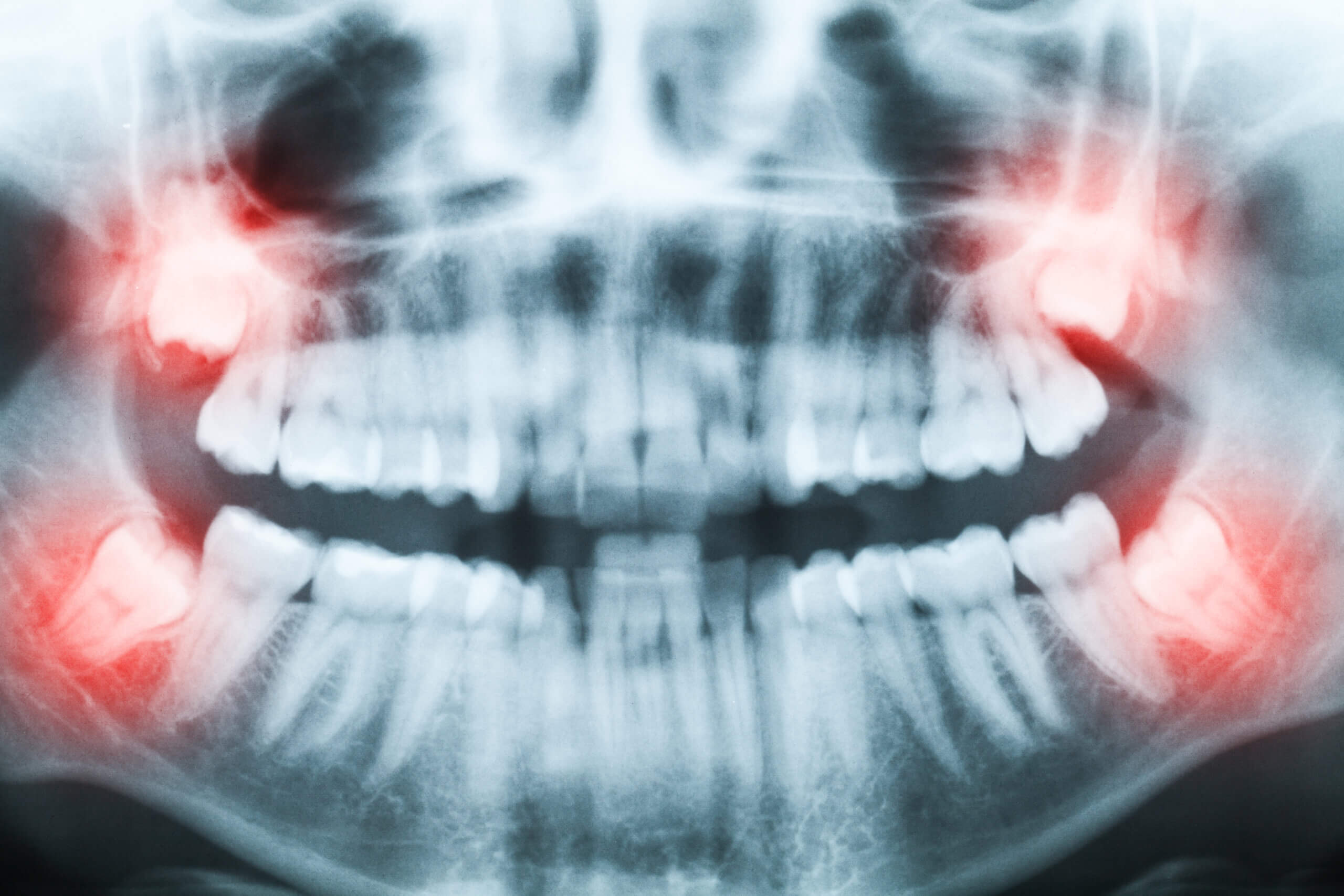
Wisdom Teeth The Complete Guide
Wisdom Teeth Removal
Each year, over 5 million Americans get one or more of their WISDOM TEETH REMOVAL IN KATY, TX, placing it among the most common surgical procedures carried out in the country. This procedure aims to remove or extract one or more of the wisdom teeth, which might have been impacted (trapped) or suffering the consequences of complications.
In any case, wisdom teeth removal is a quick procedure that can resolve many dental conditions and prevent future pain or infection. Naturally, consulting an expert and trustworthy dental specialist at Grand Parkway Smiles is critical to understand more about this procedure. But, if you are curious about what lies ahead, we’ll explore all aspects of this process below.
Wisdom Teeth: An Overview
Before diving into the details of the procedure that you will go through, it is crucial to understand what wisdom teeth are and their function. Understanding this will also help you to identify the symptoms and signs that your wisdom teeth might be impacted, and you need to remove them. Learn more below!
What Are Wisdom Teeth?
Wisdom teeth, also called third molars, are teeth that grow at the back of your gums. They often come through once the rest 28 teeth are already in place, which means that often there is not enough jaw space for them to grow and develop properly. If this happens, complications can lead to surgery. Most people have one to four wisdom teeth that come through at some point during their early adult life, but a small percentage of adults do not have any wisdom teeth at all.
When Do Wisdom Teeth Come Through?
Wisdom teeth are the last permanent ones to emerge, and they do so once the rest of the teeth is already in place. They usually start to erupt from the age of 17, but over 90% of adults in their 20s have one or more wisdom teeth that have not erupted yet. These teeth can then continue to erupt until the age of 30.
When they do come through, they have to face the lack of space in the mouth, which often translates into wisdom teeth that erupt at an angle or get stuck.
What Are Wisdom Teeth For?
Since you are going to go through a lot of pain when your wisdom teeth try to erupt, you should know what they are for. According to anthropological research, these teeth were used by our ancestors to chew coarse food and ingredients, such as nuts and roots. However, today, we benefit from utensils such as cutlery and softer foods, so wisdom teeth have outlived their purpose. Alongside other organs that have lost purpose because of evolution, biologists now place these teeth in the category of vestigial organs.
Why Should Wisdom Teeth Be Removed?
Now that you know more about your wisdom teeth, it is time to understand why they should be removed.
As seen above, wisdom teeth come through when all other teeth are already in place. This means that they have only a limited amount of space they can use to come through and develop.
If wisdom teeth do not have enough jaw space, it is likely to suffer severe consequences. Indeed, a tooth might start coming out at an angle or cause significant pain. Additionally, it might damage the surrounding teeth and be the root cause of other dental problems.
If a wisdom tooth does not cause immediate issues, it can still be more exposed to conditions such as tooth decay and bacteria because, due to their position, these teeth are harder to clean and look after.
Significant issues can also arise when the wisdom tooth is impacted or trapped underneath the gum. Since these impacted teeth cannot emerge properly, they can grow in different positions, creating severe pain and serious dental issues.
Some of the reasons include:
- If the tooth does not emerge from the gums
- It is tooth emerges only partially
- If the wisdom tooth starts to crowd nearby teeth
Other individual reasons can lead to the removal of wisdom teeth. Moreover, some dentists believe that removing wisdom teeth at a young age before thy form can help to protect the patient’s oral health and aid recovery. That is why many adults have their wisdom teeth removed as young kids.
When You Don’t Need To Remove Your Wisdom Teeth
There are some instances in which you don’t need to remove your wisdom teeth. If your third molars have not been removed when you were a kid, you can keep them if they are:
- Healthy teeth
- They are fully grown, meaning they have completely emerged from the gums
- Grown in the right position compared to the opposite two molars
- They can be easily cleaned as part of your oral hygiene practices
Impacted Wisdom Teeth
One of the main reasons for removing your wisdom tooth is because it has been impacted – meaning that it has become trapped within the gums. This makes it impossible for the tooth to emerge, which can affect the surrounding teeth and create serious consequences for the whole mouth’s health.
Below we will explore the causes and symptoms of this condition.
Causes of Impacted Wisdom Teeth
The main reason for wisdom teeth not to come through is that they don’t have enough space to erupt. In some cases, the tooth can erupt just partially, and you will be able to start seeing the crown of it. In this case, the tooth is referred to as “partially impacted.”
Whether it is partially or fully impacted, the tooth can develop conditions such as:
- Growing sideways or at an angle, usually towards a nearby tooth, which is the second molar
- Growing at an angle in the opposite direction or towards the back of the mouth
- Growing lying down or horizontally within the jawbone
- Growing vertically but while remaining trapped in the jawbone
All of these conditions require removal surgery to prevent even more serious consequences.
Signs and Symptoms of Impacted Wisdom Teeth
If your tooth is growing underneath the gum or within the jawbone, the chances are that you will not be able to identify the issue immediately. In this case, it is crucial to understand what are the symptoms you are likely to experience if your tooth has been impacted.
These symptoms are not generated by the fact that the tooth is trapped. Indeed, in most cases, there will be no symptoms of this condition.
When the symptoms start to appear, this is often because the impacted tooth has become infected, started to damage other teeth, or has started to cause other dental problems.
Symptoms of these side effects include:
- Swelling around the jaw
- Noticing bad breath or even an unpleasant taste in your mouth
- Tender or bleeding gums
- Pain in the jaw
- Red or swollen gums
- Difficulty opening your mouth
These symptoms can vary in severity, and it is crucial to understand when it becomes paramount to see a doctor. In most cases, if you have any of the symptoms above and you feel discomfort behind your second molar (at the back of your mouth or above the jaw) for prolonged time frames, you should get in touch with a trusted dentist.
What to Expect From Wisdom Tooth Removal
Now that you know more about your wisdom tooth let’s look at what to expect from your removal surgery. You can find more details below, but remember that a consultation with a dentist that you can trust is irreplaceable!
How to Prepare For Wisdom Tooth Removal
First off, it is important to prepare for the upcoming surgery in the best way. Once you and your dentist have decided that the best course of action involves removing the affected tooth, you will speak to a dentist who will tell you more about the process.
During this precious time, it is crucial that you bring up:
- Any health conditions or problems you have
- Drugs and medications you take on a regular basis
- Any questions and concerns about your surgery
- What type of anesthesia you would prefer to have (we will see the three types below, but speaking to your surgeon about your option is ideal.
It is also important that you plan for the day of the surgery. You might need to take time off and rest after the operation. And, of course, you might have someone who can accompany you home afterward.
Removing the Wisdom Tooth
As we have seen, wisdom tooth removal is one of the most common surgical operations in the world. It might seem overwhelming, but the whole surgery won’t take more than 45 minutes to an hour. Here is what to expect from it.
Anesthesia
There are three main types of anesthesia you will need to choose from:
- Local – your doctor will use a shot of anesthetics such as novocaine, lidocaine, or mepivacaine to numb your mouth and jaw.
- IV sedation – it will numb your mouth and jaw. Your surgeon and or dentist will then inject sedative drugs through a vein in your arm to make you feel drowsy during the process. This can also cause you to fall asleep during the surgery.
- General – your surgeon will deliver drugs that will make you fall asleep throughout the whole procedure. These drugs might be delivered to you through your vein or a mask.
How The Procedure Works
Once you are asleep or your jaw is numb, your surgeon will proceed to remove the tooth.
Firstly, if the gum still hides the tooth, the surgeon will make a small cut or incision on the gum to expose the wisdom tooth underneath. If there is also a small piece of bone covering the tooth, this will also be removed.
Once the tooth is exposed, the surgeon might decide to cut it into several pieces to make it easier to remove it.
Towards the last phases of the procedure, you might feel some pressure in the gum as the surgeon will need to move and rock the tooth father and back to widen the socket underneath and cut it out.
While the anesthetics you have been given before the procedure will prevent you from feeling any pain or discomfort, you might decide to ask the surgeon for more if you feel pain at any point. You can expect the procedure to be over in just 20-60 minutes, but more complicated surgeries might take longer.
Recovery Time
Once your tooth is removed, the surgeon might close the cut on the gum with stitches and pad the area where the wisdom tooth was. You can expect to achieve full recovery in just a couple of weeks.
During these two weeks, it is not uncommon to:
- Have swollen cheeks and mouth (particularly common during the first days, applying a cold cloth on the area can help)
- Notice that the surrounding area seems bruised
- Feel pain or discomfort
- an unpleasant taste in your mouth
- Numbness in your tongue, lips, face, or jaw
If these symptoms are not improving, and you have experienced excessive bleeding or pain, get in touch with your dentist immediately.
Potential Complications
Wisdom tooth removal is a relatively safe surgery that rarely brings complications. However, just like any other type of surgery, it might carry some risks. These include:
- Dry socket
- nerve injury
- Infection
- Bleeding
When experiencing these symptoms, it is crucial to speak with your doctor immediately.
Aftercare
Every patient has a different response to anesthesia. However, if you have opted for a local one, you might be able to drive home and start your recovery process. But if you are not sure how you will respond, it is always recommendable to ask someone to get you home.
Some tips for a healthy aftercare routine and speedy recovery include:
- Apply an ice pack on your jaw or face to prevent or keep at bay swelling and bruising
- Exercise your jaw and mouth by gently opening and closing your mouth
- Eat only soft foods such as soup or rice
- Drink plenty of fluids – drink from the glass, avoiding straws
- The second day after the surgery, brush your teeth but don’t stress the area affected by the surgery
- Use over-the-counter pain killers or opt for the drugs your doctor has prescribed you
- Get in touch with your dental surgeon immediately if symptoms don’t improve
- Avoid strenuous activity for a few days after the surgery
What Can an Expert Dental Surgeon and Oral Surgeon Do for You?
Even if wisdom removal surgery is a standard procedure, it is crucial to have the full support of a professional who can guide you through each phase. Speaking to an expert, a trustworthy dental surgeon and Oral Maxillofacial Surgeon at Grand Parkway Smiles can help you find all the answers you need.