Understanding Dental Implant Success Rates: Factors, Evidence, and How to Maximize Long-Term Results
When it comes to replacing missing teeth, dental implants have become the gold standard in modern dentistry. They offer a stable, aesthetically pleasing, and highly functional solution that can last for decades with proper care. Yet, for many patients considering this transformative treatment, one critical question often looms large: “What is the dental implant success rate, and what factors influence it?” In this comprehensive guide, we will delve into the factors that affect the longevity and predictability of dental implants, what the latest research says about their success rates, how patients can improve their odds of a positive outcome, and why this treatment option remains one of the most reliable in the world of oral healthcare.
What Are Dental Implants and Why Are They Popular?
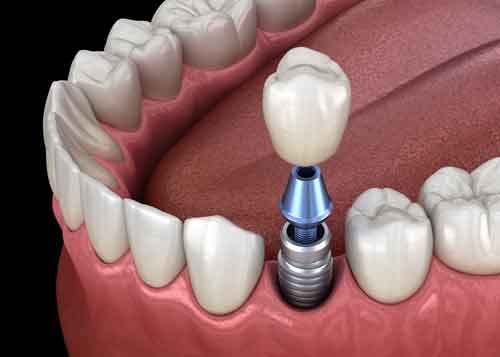
Dental implants are titanium or ceramic posts surgically placed into the jawbone, serving as replacement roots for missing teeth. Once integrated with the bone—a process known as osseointegration—they provide a stable foundation for an artificial tooth (crown), bridge, or denture. The end result is a restoration that looks, feels, and functions like a natural tooth.
The popularity of dental implants has surged in recent years for several reasons:
- Long-Lasting Results: Unlike traditional bridges or dentures, which may need replacement every 5–10 years, well-cared-for implants can last 20 years or more.
- Bone Health Preservation: Dental implants help prevent bone loss, a common consequence of tooth loss.
- Improved Quality of Life: By restoring full chewing function and improving aesthetics, implants can significantly enhance a patient’s confidence and overall well-being.
These benefits underscore why understanding dental implant success rates is so crucial. Patients want to be assured that their investment will stand the test of time.
Defining Success in Dental Implants
Before examining numbers and statistics, it’s important to understand how dental professionals define “success” in the context of implants. Success rate is not just about whether the implant remains in place. Rather, it encompasses several criteria, including:
- Implant Stability: The implant must remain firmly integrated into the jawbone without excessive mobility.
- Healthy Surrounding Tissues: The gum tissue and bone around the implant should be healthy, without signs of infection, inflammation, or bone loss.
- Functionality and Comfort: The restoration should allow normal biting, chewing, and speaking functions, and should remain comfortable for the patient.
- Aesthetics: The implant-supported crown or bridge should blend harmoniously with the patient’s natural teeth.
A high “success rate” implies that a large percentage of patients who receive dental implants experience stable, functional, and aesthetically pleasing restorations for many years following the procedure.
Dental Implant Success Rate: An Overview of the Research
When it comes to clinical data, dental implants boast some of the highest success rates in modern dentistry. Studies conducted over several decades consistently report success rates that exceed 90%, with many now ranging between 95% and 98% after 10 or more years of follow-up.
Key highlights from the literature include:
- Long-Term Stability: Research indicates that with proper care and maintenance, many dental implants remain healthy and functional for 20 years or longer.
- High Patient Satisfaction: Surveys show that most patients who receive dental implants are extremely satisfied with their results, citing improvements in comfort, confidence, and overall quality of life.
- Technological Advancements: As implant design, surgical techniques, and restorative materials continue to evolve, success rates have improved. Innovations such as 3D cone-beam imaging, computer-guided surgery, and implant surface enhancements all contribute to more predictable outcomes.
It’s worth noting that while these success rates are impressive, they are averages. Individual outcomes may vary based on a range of patient-specific and external factors.
Factors Influencing Dental Implant Success Rates
Numerous variables can impact the success and longevity of a dental implant. By understanding these factors, patients can make informed decisions and take proactive steps to improve their odds of success.
1. Patient’s Oral and General Health
- Gum and Bone Health: A healthy jawbone with adequate density and volume is crucial for supporting a dental implant. Conditions like periodontal (gum) disease can reduce bone density and lead to implant failure if not managed.
- Smoking Habits: Tobacco use is a well-documented risk factor that can impede healing, decrease blood flow, and increase the likelihood of implant failure. Smokers have lower success rates compared to non-smokers, although quitting smoking before and after surgery can dramatically improve outcomes.
- Chronic Conditions: Certain systemic health conditions—such as uncontrolled diabetes, autoimmune disorders, or osteoporosis—can affect bone quality and healing capacity. With proper medical management and collaboration between a patient’s physician and dentist, many patients with these conditions can still receive implants, though their success rates may be slightly lower.
2. Implant Material and Design
- Titanium Implants: Most modern dental implants are made of titanium, a biocompatible material that integrates seamlessly with bone. Titanium implants have a long and proven track record, offering high success rates.
- Zirconia Implants: Ceramic (zirconia) implants are a newer option and are popular among patients who prefer metal-free restorations. While early studies suggest good integration and success rates, long-term data is still emerging.
- Implant Surface Treatments: Advances in surface treatments (such as roughened, acid-etched, or plasma-sprayed surfaces) have shown improved bone-to-implant contact and quicker osseointegration, resulting in higher success rates.
3. Surgical Technique and Dentist’s Expertise
- Accurate Diagnosis and Treatment Planning: Successful implant placement begins with a comprehensive evaluation, including digital imaging and models, to identify the ideal implant size, position, and angulation.
- Specialist Involvement: Many patients benefit from the expertise of a periodontist or oral surgeon with extensive training in implant placement. Experience, skill, and continuing education play a significant role in long-term success.
- Minimally Invasive Techniques: Advanced surgical techniques, such as computer-guided implant surgery, can enhance precision, reduce healing time, and minimize complications—all factors that contribute to a higher success rate.
4. Quality of the Restoration
- Proper Prosthetic Design: An implant restoration that properly distributes biting forces and complements the patient’s bite reduces the risk of biomechanical complications, such as loosening or fracture of the crown.
- Material Selection for the Crown: High-quality ceramic or porcelain materials bonded onto a titanium or zirconia abutment ensure a durable and aesthetically pleasing result that can withstand daily function.
5. Post-Operative Care and Maintenance
- Oral Hygiene Practices: Daily brushing, flossing, and use of antimicrobial rinses, as well as regular professional cleanings, are essential to prevent plaque build-up and peri-implantitis (inflammation around the implant).
- Regular Dental Check-Ups: Routine follow-up visits allow the dentist to monitor the implant’s stability, detect early signs of complications, and intervene promptly if issues arise.
- Lifestyle Factors: A balanced diet, avoidance of smoking or excessive alcohol, and stress management can all contribute to the long-term success of dental implants.
Common Reasons for Implant Failure
Even with careful planning and skilled execution, dental implants can sometimes fail. While implant failure is relatively rare, understanding the common reasons can help patients and practitioners minimize risks.
- Infection: Poor oral hygiene, inadequate bone healing, or residual bacteria can lead to an infection around the implant. Early diagnosis and treatment are crucial to preserve the implant.
- Insufficient Bone Support: If the jawbone lacks the necessary volume or density, the implant may not integrate fully. Bone grafts or sinus lifts are often performed prior to implant placement to address this issue.
- Overloading the Implant: Placing excessive force on the implant prematurely or designing a restoration that concentrates stress in one area can lead to failure. Proper planning and a phased approach can prevent this issue.
- Implant Fracture or Damage: While rare, implant components can fracture due to trauma or abnormal bite forces. High-quality materials and careful prosthetic design help minimize this risk.
Improving Your Chances for a Successful Dental Implant
While no surgical procedure comes with a 100% guarantee, there are practical steps patients can take to boost the success and longevity of their dental implants:
- Select a Qualified Dental Professional: Choose a dentist or implant specialist with robust training, proven experience, and a solid reputation. Seek out patient reviews, before-and-after galleries, and recommendations from trusted friends or family.
- Comprehensive Pre-Treatment Evaluation: A thorough diagnostic workup, including 3D imaging, allows the dental team to plan for the appropriate implant size, position, and any necessary bone grafting. This foundation sets the stage for success.
- Follow Pre- and Post-Operative Instructions: Closely follow the dentist’s guidelines for antibiotics, rinses, dietary restrictions, and follow-up appointments. Proper care during the critical healing phase helps ensure successful osseointegration.
- Maintain Excellent Oral Hygiene: Consistent, thorough brushing and flossing around your implant-supported restorations are vital. Consider using specialized brushes or interdental cleaners to maintain impeccable hygiene.
- Regular Dental Check-Ups and Cleanings: Visit your dentist or hygienist at recommended intervals. Professional cleanings and examinations can catch potential issues early and help maintain optimal oral health.
- Adopt a Healthy Lifestyle: Quitting tobacco, moderating alcohol, managing chronic conditions, and maintaining a balanced diet can significantly boost your implant’s life expectancy.
The Role of Technology in Enhancing Dental Implant Success
The evolution of dental technology has had a profound impact on improving implant success rates. Several cutting-edge tools and techniques now enable dentists to deliver more predictable and efficient results:
- Cone-Beam Computed Tomography (CBCT): High-resolution 3D imaging provides accurate anatomical details, allowing for precise implant placement and minimizing complications.
- Computer-Guided Surgery: With the aid of specialized software, dentists can pre-plan the implant position and use a surgical guide for virtually error-free placement.
- Advanced Implant Materials and Surfaces: Innovations in implant coatings and biomimetic designs encourage faster and stronger integration with the bone.
- Digital Impressions: Digital scanners eliminate the need for messy impression materials and provide highly accurate data. This leads to well-fitting restorations and reduces the margin of error.
The cumulative effect of these technological advancements is improved predictability, fewer complications, and higher overall success rates.
How Long Can You Expect a Dental Implant to Last?
Patients often ask, “How long will my dental implant last?” While it’s impossible to predict with absolute certainty, many dental implants function reliably for 20 years or more. Some studies have documented success rates exceeding 90% even after two decades of service. Of course, longevity depends on factors like:
- Patient’s Oral Hygiene: Excellent care can significantly prolong the life of the implant.
- Implant Location: Implants in areas subjected to greater bite forces (such as molars) may experience more stress.
- Materials and Prosthetic Design: High-quality components and meticulous restorative techniques can extend the implant’s lifespan.
- Patient’s Health and Lifestyle: Good systemic health and low-risk habits contribute to long-term stability.
With the right conditions, dental implants can last a lifetime, offering patients a permanent solution to tooth loss.
The Importance of Peri-Implant Maintenance
Once an implant is placed and restored, a crucial factor in maintaining its success is the prevention of peri-implantitis—an inflammatory condition affecting the soft and hard tissues around the implant. Regular maintenance visits, during which the dental hygienist carefully cleans around the implant and monitors tissue health, are indispensable. Patients are encouraged to adhere to customized maintenance protocols to preserve their investment in implant therapy.
Peri-implant maintenance often includes:
- Professional Debridement: Special instruments are used to remove plaque and tartar without scratching the implant surface.
- Periodontal Assessments: The dentist or hygienist will measure pocket depths around the implant, checking for signs of inflammation or bone loss.
- Diagnostic Imaging: Periodic X-rays help evaluate bone levels and detect early changes that might indicate a developing issue.
This proactive approach helps ensure that if problems arise, they can be addressed promptly, preserving the implant and preventing more extensive treatment.
Dental Implants vs. Other Tooth Replacement Options
When considering tooth replacement options, patients often weigh the success rate of dental implants against other restorative approaches:
- Dental Bridges: While less expensive initially, bridges rely on adjacent teeth for support and may need replacement every 5–15 years. They do not prevent bone loss in the way implants do.
- Dentures: Full or partial dentures can restore aesthetics and function but often lack the stability and comfort of implants. Dentures may need frequent adjustments, relines, or replacements and do not integrate with the jawbone.
- Resin-Bonded Bridges: These are minimally invasive but may have a shorter lifespan and lower success rates compared to implants, especially under heavy biting forces.
In terms of long-term predictability and patient satisfaction, dental implants consistently come out on top. Although they involve a higher initial cost and a longer treatment timeline, the return on investment—both in quality of life and overall durability—is unmatched.
FAQs About Dental Implant Success Rates
Q: Do dental implants ever fail?
A: While failure is rare, it can occur. The most common reasons include infection, inadequate bone support, improper surgical technique, and poor oral hygiene. The overall success rate remains very high, especially when patients follow their dentist’s advice.
Q: Are dental implants safe?
A: Yes. Dental implants have been used successfully for decades and are backed by extensive research. They are made from biocompatible materials and have a long track record of safety and effectiveness.
Q: Will smoking cause my dental implant to fail?
A: Smoking increases the risk of implant complications, including slower healing and a higher incidence of peri-implantitis. Quitting smoking before and after the procedure can greatly improve success rates.
Q: How painful is the implant procedure, and does that affect success rates?
A: The implant procedure itself is typically performed under local anesthesia, and patients often report minimal discomfort. Proper pain management and following post-surgical care instructions help ensure a smooth recovery, indirectly influencing success by preventing complications.
Q: Can I get an implant if I’ve had periodontal disease in the past?
A: Many patients with a history of gum disease can still receive implants, but they must have stable oral health and adequate bone. A periodontist or dentist specializing in implants will evaluate your condition to ensure a successful outcome.
Conclusion: Dental Implants Remain a Top Choice for Restoring Smiles
Dental implants have revolutionized how dentists address tooth loss, offering a permanent, natural-feeling solution that stands the test of time. With success rates often hovering between 95% and 98%, they are one of the most predictable and reliable treatments in dentistry. Of course, individual outcomes depend on numerous factors, from the patient’s oral hygiene and systemic health to the expertise of the implant provider and the quality of the prosthesis.
For anyone considering dental implants, the statistics are reassuring. By choosing an experienced implant dentist, maintaining excellent oral hygiene, attending regular check-ups, and making healthy lifestyle choices, patients can significantly increase their chances of enjoying a stable, functional, and attractive smile for decades. In a world where dental technology and techniques are constantly improving, today’s implants truly offer the best of both worlds—long-lasting results and a confidence-boosting, radiant smile.