A root canal is a procedure designed to save your natural tooth, relieve pain, and restore your oral health. While the treatment itself is a major step, what you do afterward is just as crucial for ensuring long-term success and a comfortable healing experience. Proper post-operative care not only minimizes discomfort and prevents complications but also protects your investment in your dental health and appearance, ensuring the treated tooth functions beautifully for years.
This guide provides actionable, expert-approved root canal recovery tips, drawing on best practices from dental specialists. We will provide a roadmap for the days following your procedure, covering essential topics such as:
- Pain and swelling management
- Medication and diet protocols
- Safe oral hygiene practices
- Activity and rest recommendations
Following these steps will help you heal faster, avoid setbacks, and get back to enjoying your healthy, pain-free smile. At Grand Parkway Smiles, we believe patient education is key to a successful outcome, ensuring your restored tooth looks and feels natural, serving you well for years to come. This article will give you the specific information you need to confidently manage your recovery and protect the health and appearance of your treated tooth.
1. Manage Pain and Swelling with Cold and Heat Therapy
One of the most effective and accessible root canal recovery tips involves the strategic use of temperature therapy. Immediately following your procedure, your body’s natural response is to send fluid to the area, causing inflammation and swelling. This is a normal part of healing, but it can create uncomfortable pressure and tenderness. By managing these symptoms, you not only improve your comfort but also help maintain the natural contours of your face as you heal.

The First 48 Hours: Cold Therapy
For the first two days after your root canal, cold is your best friend. Cold therapy works by constricting blood vessels, which reduces blood flow to the treated area. This directly limits swelling and inflammation, which are primary sources of post-procedure discomfort. It also provides a numbing effect, offering immediate, localized pain relief and helping to keep facial swelling to a minimum for a better appearance during recovery.
- Application Method: Wrap an ice pack, gel pack, or even a bag of frozen peas in a thin towel.
- Timing is Key: Apply the pack to the outside of your cheek for 20 minutes, then remove it for 20 minutes. This on-and-off cycle prevents skin irritation and is more effective than continuous application.
- Frequency: Repeat this cycle as often as you can during the first 24-48 hours. Consistency is crucial for controlling initial inflammation.
After 48 Hours: Switching to Heat
Once the initial swelling has peaked, typically after two days, you can switch to warm compresses. Heat has the opposite effect of cold; it encourages blood vessels to expand, promoting circulation. This increased blood flow brings oxygen and nutrients to the site, which speeds up the healing of the gum and bone tissues, ensuring a healthy foundation for your restored tooth.
Important Note: Do not apply heat within the first 48 hours. Introducing heat too early can worsen inflammation and increase pain.
- Warm, Not Hot: Use a heating pad on a low setting or a cloth soaked in warm water. The compress should feel comfortably warm, never hot, to avoid burns.
- Application Schedule: Apply the warm compress to the affected cheek for 15-20 minutes at a time, a few times a day.
While this temperature-based approach is fundamental, understanding how to reduce inflammation naturally through diet and lifestyle can also support a more comfortable recovery. For a deeper dive into managing post-operative discomfort, you can learn more about what to expect regarding pain after a root canal. The team at Grand Parkway Smiles can provide personalized guidance based on your specific procedure and healing progress.
2. Follow Prescribed Medication Protocols Strictly
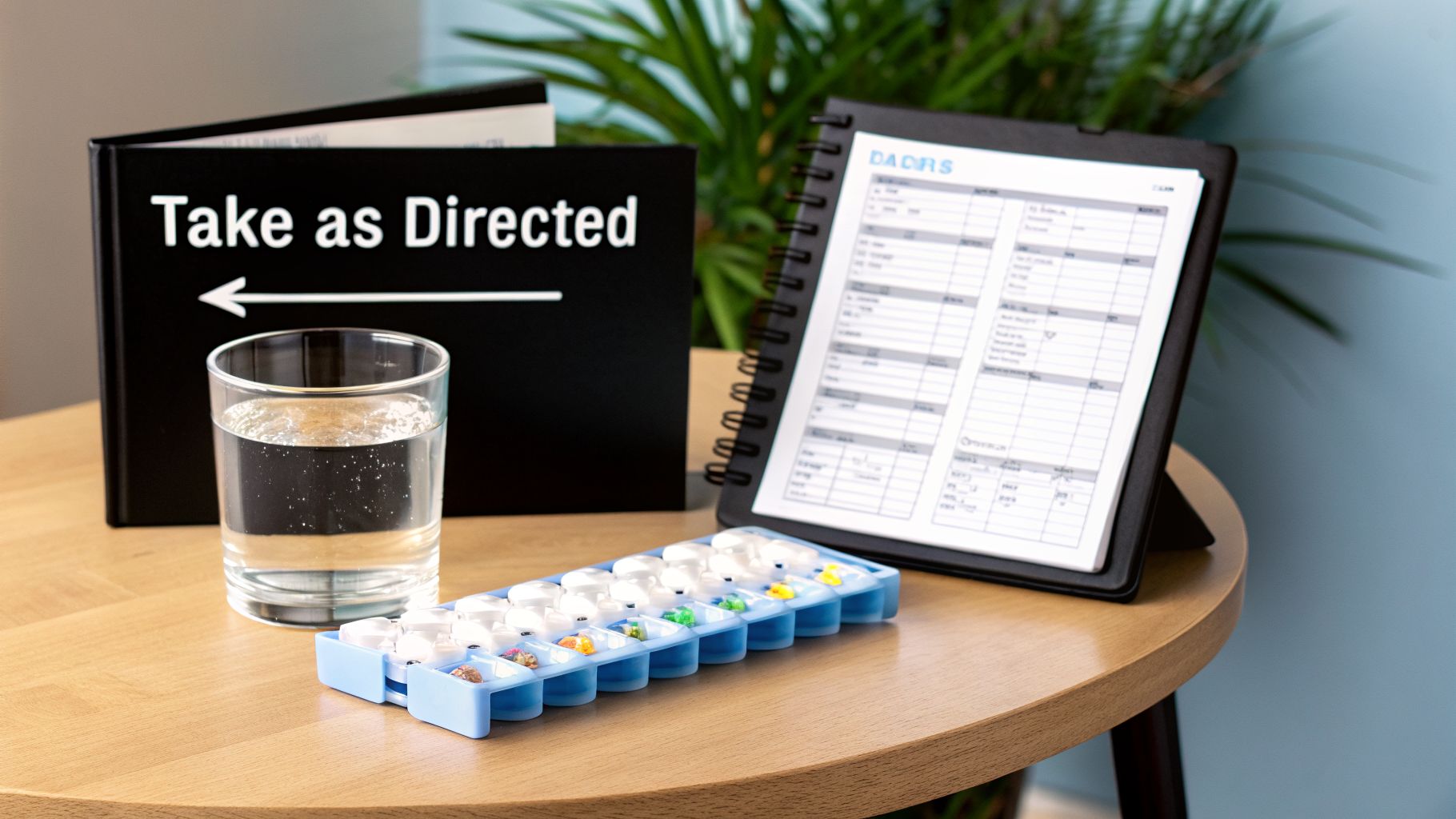
Navigating your root canal recovery tips starts with understanding the vital role of medication. Your endodontist at Grand Parkway Smiles prescribes specific medications not just for comfort, but to ensure the success of the procedure by preventing complications. Strict adherence to these protocols is critical for managing discomfort, controlling inflammation, and, most importantly, eliminating any risk of infection that could compromise the health and longevity of your saved tooth.
Why Medication is Prescribed
After a root canal, your body needs to heal the tissues surrounding the treated tooth. Medications are prescribed to manage this process effectively, paving the way for a successful final restoration. Depending on your specific case, your regimen may include antibiotics to prevent or treat an infection, anti-inflammatory drugs like ibuprofen to reduce swelling, and pain relievers to manage soreness. This medication is a key part of protecting the investment you've made in saving your natural tooth.
- Antibiotics: These are often prescribed if there was a significant abscess or if you have a compromised immune system. They are crucial for eliminating bacteria and ensuring the tooth's foundation is healthy.
- Anti-Inflammatories (NSAIDs): Medications like ibuprofen (Advil, Motrin) are the first line of defense against post-operative swelling, promoting faster healing of the surrounding gums.
- Pain Relievers: Acetaminophen (Tylenol) may be recommended in combination with an NSAID for a more effective, multi-pronged approach to pain management, helping you get back to your routine comfortably.
Tips for Sticking to Your Regimen
Consistency is the key to letting these medications do their job. Skipping doses can lead to a resurgence of pain or allow an infection to take hold, potentially jeopardizing the root canal treatment and the future of the tooth.
Important Note: Always finish the entire course of antibiotics, even if you start feeling better. Stopping early can allow bacteria to develop resistance and cause a more severe infection later, risking the success of the entire procedure.
- Set Reminders: Use your phone’s alarm or a reminder app to ensure you take each dose on time.
- Take with Food: If you experience stomach upset, taking your medication with a small meal or a glass of milk can help.
- Keep a Log: Track the times you take each dose and note any side effects. This information is helpful if you need to contact your dentist.
- Communicate Clearly: Inform your endodontist about all other medications and supplements you are taking to avoid potential interactions.
- Report Issues: If you experience any adverse reactions like a rash, severe nausea, or dizziness, contact Grand Parkway Smiles immediately.
Following your medication schedule diligently is one of the most powerful root canal recovery tips for a smooth, comfortable healing period that ensures the long-term health of your tooth. If you're prescribed medication for pain relief, knowing how to find a pharmacy close to you with your medication in stock can be crucial for uninterrupted recovery.
3. Maintain Proper Oral Hygiene Without Disturbing the Treated Tooth
Keeping your mouth clean after a root canal is a delicate balance. Proper oral hygiene is critical for preventing secondary infections and supporting a healthy healing environment for your gums. However, you must be extremely careful not to disturb the treated tooth, which will likely have a temporary filling or crown. This part of your root canal recovery tips focuses on how to maintain a clean and healthy mouth without disrupting the area, protecting the path to a beautiful, permanent restoration.

Gentle Brushing and Flossing
Aggressive brushing can dislodge your temporary restoration and irritate the healing gum tissue. The key is to be methodical and gentle, focusing on removing plaque without applying excessive force near the treated tooth. Protecting the temporary seal is paramount, as it prevents bacteria from re-entering the tooth and jeopardizing the success of the root canal.
- Toothbrush Choice: Use an extra-soft bristled toothbrush. A pediatric-sized brush can offer better control and access around the sensitive tooth.
- Brushing Technique: For the first few days, brush all other teeth as normal but be exceptionally gentle around the treated quadrant. You might even avoid direct contact with the treated tooth itself for 24-48 hours. This care helps the gum tissue heal neatly around the tooth.
- Flossing Carefully: Avoid flossing directly around the treated tooth for at least the first 48 hours to prevent dislodging the temporary filling. When you resume, do not "snap" the floss down. Instead, gently guide it and pull it out from the side rather than pulling it back up. This prevents damage that could delay your final crown.
Using Antimicrobial Rinses
Rinsing is an excellent way to clean the area without direct mechanical contact. It helps reduce the overall bacterial load in your mouth, which promotes a healthier environment for your gums to heal and reduces the risk of bad breath during recovery.
Important Note: Avoid vigorous swishing, as the pressure can irritate the site. A gentle back-and-forth rinse is all that is needed to cleanse the area effectively.
- Saline Rinse: A simple, effective option is a warm salt water rinse (1/2 teaspoon of salt in a glass of warm water). Use this 2-3 times a day, especially after meals, to gently flush away food particles and soothe tissues, promoting clean and healthy gums.
- Prescription Rinses: For some cases, a dentist might prescribe a chlorhexidine rinse, which has strong antimicrobial properties. Use this exactly as directed. If you have sensitive gums, ask the team at Grand Parkway Smiles about alcohol-free alternatives. Following these hygiene practices will help ensure your tooth heals correctly, setting the stage for a durable and aesthetically pleasing final restoration.
4. Eat Soft Foods and Avoid Chewing on the Treated Tooth
Your dietary choices immediately following a root canal are critical for protecting the treated tooth and ensuring a smooth healing process. After the procedure, the tooth is vulnerable, and a temporary filling or crown is placed to protect it. This temporary restoration is not as strong as the final crown and can be easily damaged. Adopting a soft-food diet is one of the most important root canal recovery tips to safeguard the tooth and ensure it can be permanently restored to full function and appearance.
The First Week: Prioritize Soft Foods
For the first several days, your primary goal is to minimize stress on the treated tooth and surrounding tissues. A soft-food diet removes the need for forceful chewing, allowing the area to heal without interruption. This protects the temporary filling from fracture and prevents pain, allowing the underlying bone and ligaments to recover.
- Foods to Enjoy: Focus on meals that require little to no chewing. Good options include smoothies, yogurt, applesauce, mashed potatoes, soups, scrambled eggs, and oatmeal. These foods provide nutrition without risking the integrity of the treated tooth.
- Foods to Avoid: Steer clear of anything hard, crunchy, or sticky. This includes nuts, hard candies, popcorn, raw vegetables like carrots, and sticky sweets like taffy or chewing gum. These can easily break or dislodge your temporary restoration.
- Chewing Strategy: Make a conscious effort to chew exclusively on the side of your mouth opposite the treated tooth. This simple habit is crucial for protecting your tooth and preventing a setback that could require an emergency dental visit.
After the First Week: A Gradual Transition
As discomfort subsides and your mouth feels more normal, you can begin to slowly reintroduce more solid foods. This gradual transition helps your jaw and tooth readjust without sudden stress, ensuring the healing process continues smoothly.
Important Note: Avoid extremely hot or cold foods and drinks for the first 24-48 hours. The nerve may be gone, but the surrounding tissues can still be sensitive to temperature extremes, causing discomfort.
- Transitional Foods: Begin with items like soft pasta, well-cooked vegetables, canned fruits, and flaky fish. Cut all food into small, bite-sized pieces to minimize chewing effort.
- Listen to Your Body: Pay attention to any discomfort. If a certain food causes pain, revert to softer options for another day or two before trying again.
- Stay Hydrated: Drink plenty of water. This aids the healing process and helps keep your mouth clean, contributing to better overall oral health.
Protecting your tooth through a careful diet is a key part of your recovery, ensuring it remains healthy and ready for its permanent, natural-looking crown. For more detailed guidance, you can explore a comprehensive list of what you can and cannot eat after a root canal. The team at Grand Parkway Smiles is always available to offer personalized dietary recommendations.
5. Avoid Strenuous Activity and Protect the Treated Area
Your body needs energy to heal, and one of the most important root canal recovery tips is to allow it the time and rest it requires. After a root canal, increased blood flow and pressure from strenuous activity can lead to throbbing pain and renewed bleeding. Taking it easy allows your body to focus its resources on healing the tissues around your tooth, which is essential for the long-term success of the procedure.
Giving your body a break from intense physical demands allows its healing resources to concentrate on the surgical site. This minimizes complications and ensures the inflammation subsides as quickly as possible, leading to a more comfortable recovery and a faster return to your normal, active life.
The First Week: Prioritize Rest
For the first several days following your procedure, your primary goal is to avoid activities that raise your heart rate and blood pressure. This is when the treated area is most vulnerable to irritation and swelling. Resting properly helps ensure the area heals cleanly, without added stress or pain.
- Plan for Downtime: If possible, schedule your root canal when you can take a few days off from work or demanding responsibilities. This is especially important for those with physically active jobs, like construction workers or athletes.
- No Heavy Lifting: Avoid lifting anything over 10-15 pounds for at least the first week. The strain can cause a painful surge of pressure in your jaw, hindering the healing of the delicate tissues.
- Pause Your Workout: It is crucial to avoid all strenuous exercise for a minimum of 3-5 days. This includes running, cycling, high-intensity interval training (HIIT), and contact sports.
Gradual Return to Normalcy
After the initial rest period, you can slowly reintroduce physical activity as your comfort level permits. Pushing yourself too hard, too soon, can reverse your progress and delay the healing of your tooth.
Important Note: The temporary filling or crown placed after your root canal is not as strong as your final restoration. Protecting it from excessive force—whether from food or physical impact—is essential to prevent it from cracking or dislodging, which could compromise the entire treatment.
- Sleep Position: Try to sleep on the opposite side of the treated tooth. Propping your head up with an extra pillow can also help reduce overnight swelling by using gravity to your advantage, helping you wake up feeling more comfortable.
- Activity Timeline: Light activity, like walking, can often be resumed after a few days. Gym-goers should wait about one week before returning to light workouts and up to two weeks before resuming full intensity.
- Contact Sports: Athletes in sports like football, martial arts, or boxing should wait at least two weeks, or until cleared by their dentist, before returning to play to prevent accidental trauma that could damage the saved tooth.
Your body will signal what it can handle. If an activity causes throbbing or discomfort in your jaw, it’s a sign to stop and rest. The team at Grand Parkway Smiles provides personalized activity guidelines to ensure your return to daily life is both safe and smooth, protecting the health of your newly treated tooth.
6. Attend Follow-Up Appointments and Monitoring Visits
The root canal procedure itself is only one part of the journey to saving your tooth. One of the most critical root canal recovery tips is diligently attending all scheduled follow-up appointments. These visits are not optional; they are essential for monitoring your healing, ensuring the infection is completely resolved, and transitioning to a permanent restoration that protects your tooth and restores its natural appearance and function for the long term.
The Typical Follow-Up Timeline
While your specific schedule may vary, follow-up care for a root canal typically involves several key stages. This multi-step process ensures the foundation of your tooth is sound before it is permanently sealed with a crown, which is vital for its strength and longevity.
- Initial Check-Up (1 Week): This first visit allows the dentist to check on your initial healing, assess your comfort level, and inspect the temporary filling.
- Permanent Crown Placement (2-3 Weeks): Once initial healing is confirmed, you will return for your permanent crown. A crown restores the tooth's shape, size, and strength, and improves its appearance. At Grand Parkway Smiles, our specialists often allow for same-day crown creation and placement to restore your tooth's function and aesthetic quickly.
- Long-Term Monitoring (6+ Months): A follow-up X-ray is usually taken about six months to a year after the procedure. This lets your dentist confirm that the bone and tissue around the root have fully healed, signifying a successful treatment and a healthy future for your tooth.
Making Your Follow-Up Visits Successful
Being proactive is key to making your follow-up appointments as smooth as possible. These visits are your opportunity to ensure your recovery is on track and that your tooth is ready for its beautiful, final restoration.
Important Note: Skipping your final restoration appointment is a major risk. A temporary filling is not designed for long-term use and can leak or break, allowing bacteria to re-infect the tooth and undoing the entire root canal procedure, potentially leading to tooth loss.
- Scheduling: Book your next appointment before you leave the office to secure a time that works for you.
- Communicate: If you experience any unusual pain, swelling, or notice that your bite feels "off," report these symptoms to our office before your scheduled visit.
- Be Prepared: Bring your insurance information and a list of any medications you are taking. Don't hesitate to ask about crown material options (like porcelain or zirconia) or financing for your permanent crown to ensure the best cosmetic and functional outcome.
Consistent follow-up is the final step in securing the health and function of your treated tooth. By following through with this monitoring phase, you help ensure your root canal is a lasting success, preserving your natural smile.
7. Manage Sensitivity and Know When to Seek Emergency Care
Experiencing some sensitivity after a root canal is a very common part of the healing process. Your tooth and the surrounding gum and bone tissues have undergone a significant procedure to save the tooth from extraction. Learning to distinguish between normal healing discomfort and the warning signs of a complication is one of the most important root canal recovery tips for ensuring the long-term health of your tooth.
What’s Normal: Understanding Post-Procedure Sensitivity
As the anesthesia wears off and for several days following your treatment, it's typical to feel some tenderness, especially when biting. This sensitivity should be mild to moderate and gradually decrease each day. This is a sign that the tissues are healing properly, which is essential for the long-term stability of the tooth.
- Symptom: Mild to moderate sensitivity to pressure or temperature that lessens over the first week.
- Appearance: Slight swelling that visibly decreases over three to five days, restoring your natural facial appearance.
- Restoration: Your temporary filling may feel slightly different or a little rough, but it remains intact, protecting the tooth.
To manage this normal sensitivity, you can start using a desensitizing toothpaste a few days after your procedure. This can help soothe the tooth and gums as they heal.
What’s Not Normal: When to Seek Emergency Care
While most recoveries are straightforward, it's crucial to know the signs that indicate a problem. Prompt action can prevent complications that might otherwise jeopardize the tooth you've worked to save. Do not hesitate to contact Grand Parkway Smiles if you experience any of the following.
Important Note: Trust your instincts. If something feels wrong or your symptoms are worsening instead of improving after the first 48 hours, it is always best to call for professional advice to protect your dental health.
- Severe or Worsening Pain: Pain that is not managed by your medication, or pain that intensifies after the first two days, could signal a complication that threatens the success of the treatment.
- Increasing Swelling or Fever: Swelling that spreads or gets worse after the third day, or a fever, are definite signs of infection that require immediate attention to save the tooth.
- Damaged Restoration: If your temporary filling or crown breaks or falls out, the tooth is left exposed and vulnerable to bacteria, which can quickly lead to reinfection and treatment failure.
Knowing the difference empowers you to take control of your recovery. For any urgent concerns, including after-hours situations, the team at Grand Parkway Smiles offers same-day emergency appointments to provide immediate evaluation and care, safeguarding your investment in your oral health.
7-Point Post-Root Canal Recovery Comparison
| Item | Implementation complexity | Resource requirements | Expected outcomes | Ideal use cases | Key advantages |
|---|---|---|---|---|---|
| Manage Pain and Swelling with Cold and Heat Therapy | Low — timed local application and basic guidance | Minimal — ice/heat packs, cloth, timer, patient adherence | Reduced inflammation and pain; improved comfort; faster tissue healing for better appearance | Immediate post-op swelling or mild–moderate pain; patients avoiding meds | Cost‑effective, non‑pharmaceutical, low side‑effect profile when used properly |
| Follow Prescribed Medication Protocols Strictly | Medium — requires adherence to schedule and awareness of interactions | Prescription antibiotics/analgesics, pharmacy access, reminders | Prevents infection; effective pain control; secures the health of the saved tooth | Patients at infection risk, moderate–severe pain, immunocompromised patients | Reliable infection control and symptom relief; protects treatment investment |
| Maintain Proper Oral Hygiene Without Disturbing the Treated Tooth | Medium — needs careful technique and patient education | Soft toothbrush, antimicrobial rinses, water flosser (optional) | Prevents reinfection; promotes healthy gum healing for a better final crown fit | All post‑op patients, especially with temporary restorations | Supports long-term health of the tooth and surrounding tissues |
| Eat Soft Foods and Avoid Chewing on the Treated Tooth | Low — dietary adjustment and discipline | Soft foods, meal planning, possible supplements | Protects temporary restoration; reduces pain; prevents damage to the healing tooth | First week post‑treatment; patients with temporary restorations or sensitivity | Prevents breakage of the vulnerable tooth, ensuring it's ready for a crown |
| Avoid Strenuous Activity and Protect the Treated Area | Low–Medium — lifestyle/activity modification required | Rest time, modified duties, protective gear for sports if needed | Less bleeding/swelling; reduced pain; lower risk of accidental trauma | Athletes, physically active patients, those with demanding jobs | Promotes faster, more comfortable healing of bone and gum tissue |
| Attend Follow-Up Appointments and Monitoring Visits | Medium — scheduling multiple visits and coordination | Time, travel, possible costs for crown/restoration, specialist coordination | Ensures complete healing and successful placement of a durable, aesthetic crown | All patients after root canal for restoration planning and verification | Guarantees long-term success and restores the tooth's appearance and function |
| Manage Sensitivity and Know When to Seek Emergency Care | Medium — requires monitoring symptoms and timely decisions | Sensitivity toothpaste, fluoride rinse, access to same‑day emergency care | Timely intervention for complications; protection of the tooth from failure | Patients with post‑op sensitivity or worsening/swelling symptoms | Empowers patients and prevents minor issues from becoming major threats to the tooth |
Partnering with Experts for Your Long-Term Dental Health
Navigating the post-procedure period is a critical phase in the success of your root canal treatment. Your active participation, guided by the specific root canal recovery tips discussed, is the key to a smooth and effective healing process. The journey to restoring your tooth doesn't end when you leave the dental chair; it continues through your diligent at-home care, which protects your investment in your health and smile.
The ultimate purpose of a root canal is to save your natural tooth, a goal that offers immense benefits for your long-term oral health and appearance. By preserving the tooth, you maintain your natural smile, ensure proper chewing function, and prevent the shifting of adjacent teeth that can occur with tooth loss. The temporary adjustments to your diet and activities are a small investment for the significant return of a healthy, functional, and pain-free tooth that can last a lifetime.
Your Role in a Successful Recovery
Think of recovery as a partnership. Your dental team provides the expert clinical treatment, and you provide the essential follow-through. By mastering these key recovery strategies, you take control of your healing and contribute directly to the lasting success of the procedure, ensuring a beautiful, healthy outcome.
- Pain & Swelling Management: Proactively using cold packs and prescribed medications in the initial 24-48 hours minimizes inflammation and discomfort, promoting faster healing and a more comfortable experience.
- Dietary Discipline: Sticking to soft foods protects the vulnerable tooth from fracture or damage. This discipline is not just about comfort; it's about safeguarding the tooth's structure until its final, strong restoration can be placed.
- Hygiene & Activity: Gentle but thorough oral hygiene prevents secondary infections that could cause treatment failure, while avoiding strenuous activity allows your body to heal efficiently.
A successful root canal isn't just about eliminating infection; it's about restoring your tooth's function and aesthetics, allowing you to eat, speak, and smile with complete confidence once again.
Your commitment to these guidelines transforms a standard dental procedure into a lasting solution for your oral health. Following the recovery timeline, attending all follow-up appointments, and knowing the warning signs of complications are all part of this collaborative effort. These steps ensure your tooth is not only saved but is also properly restored with a permanent crown, giving it the strength, protection, and natural appearance it needs for years to come. Your vigilance is the best insurance for the investment you’ve made in your health.
Your recovery is our priority, and you are never alone in the process. If you have questions or need support following your procedure, the dedicated team at Grand Parkway Smiles is here to provide expert guidance and care for families throughout Katy and the greater Houston area. Contact us to ensure your recovery is as smooth and successful as your treatment.