Dentures without insurance typically cost $1,000 to $3,000 for a basic full set, while premium implant-supported options can reach $6,514 or more, not including prep work. That’s the starting point, not the final number, because the total investment depends on the type of denture, the materials used, and whether you need extractions, relines, or sedation.
If you're reading this, there's a good chance you're already dealing with the everyday side of missing teeth. Meals become work. Smiling in photos feels awkward. Some patients tell me they’ve started avoiding certain foods, social events, or even conversations because they’re worried their teeth, or lack of them, will be the first thing people notice.
That’s why the cost question matters so much. You’re not shopping for a simple product. You’re trying to get your bite back, improve your appearance, and feel comfortable speaking and eating again. Good dentures can do all of that. Poorly planned dentures can leave you frustrated, sore, and paying again sooner than expected.
Restoring Your Smile The First Step in Your Denture Journey
Missing teeth affect more than appearance. They change how you chew, how clearly you speak, and how supported your facial features look. When several teeth are gone, the lower face can start to look collapsed or older because the lips and cheeks lose support.
Dentures can restore that support. A well-made denture helps you eat a wider range of foods, smile without covering your mouth, and interact with people without constantly thinking about your teeth. That emotional relief matters just as much as the mechanical part of treatment.
Patients often come in focused on one question: how much are dentures without insurance? That’s understandable, but the better question is often, “What kind of denture will work for my mouth, my goals, and my budget over time?”
Practical rule: The cheapest denture on day one isn’t always the least expensive choice after years of adjustments, remakes, and frustration.
A useful way to think about this is to separate the decision into two parts:
The denture itself
This includes the design, materials, and fit.Everything around the denture
This includes any tooth removal, healing, follow-up adjustments, and long-term maintenance.
Some people need a straightforward replacement for missing teeth. Others need a more detailed plan because their gums have changed, their jawbone has shrunk, or they want more stability and a more natural look. The answer can be simple, but it should still be personal.
The good news is that there usually is a workable path forward. The key is understanding what you’re paying for, what you can expect from each option, and what tends to hold up well over time.
Decoding Denture Types and Their Base Costs
Different dentures solve different problems. Someone who still has healthy natural teeth may need a partial. Someone replacing an entire arch may need a full denture. Someone having teeth removed may need an immediate denture first, then a conventional one after healing.
This visual gives a quick overview before we get into the details.
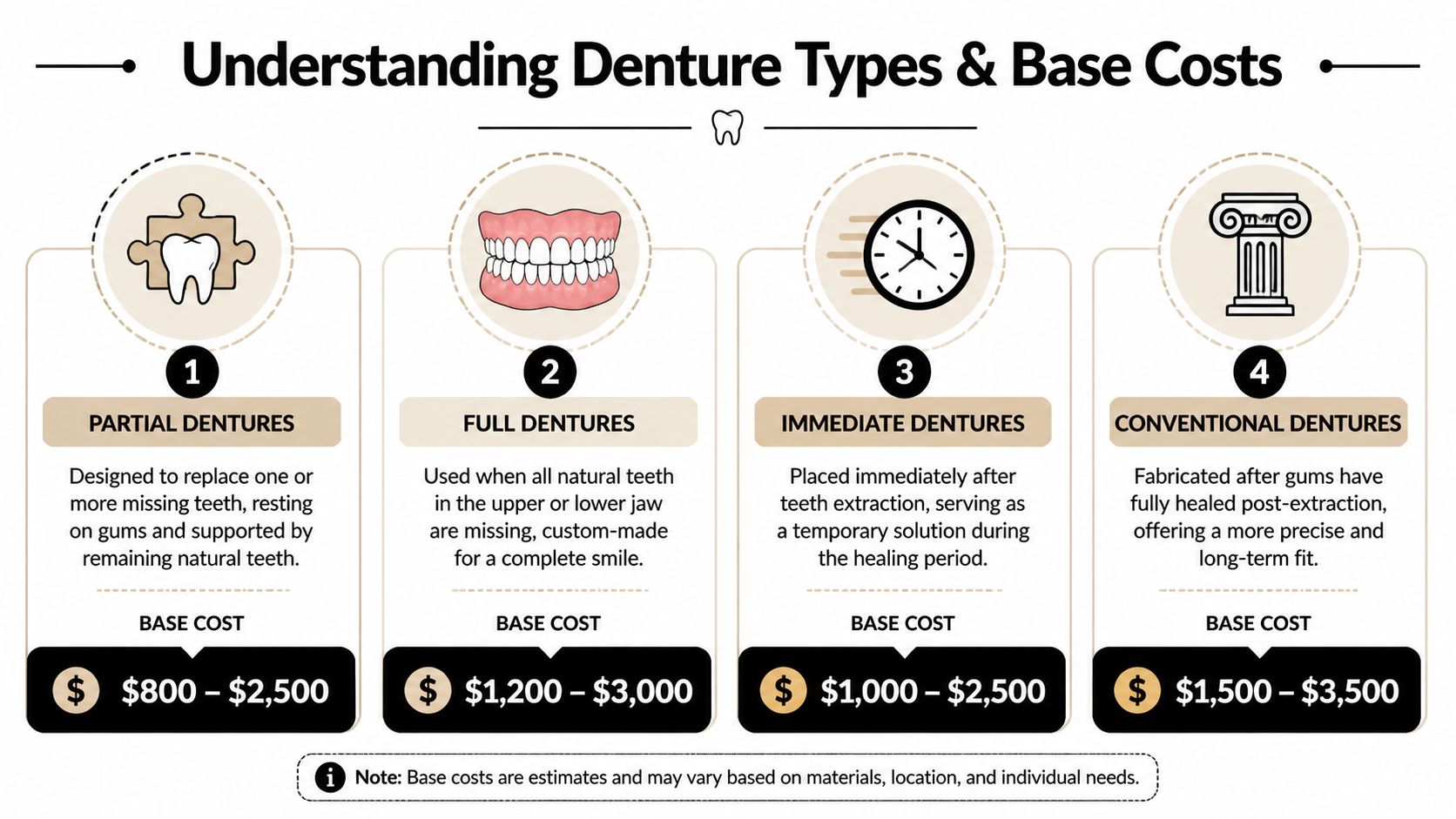
According to national denture cost data summarized by BuzzRx, basic full dentures without insurance typically range from $1,000 to $3,000, while partial dentures average $1,500 to $2,000, full conventional dentures average $1,968, immediate dentures average $2,178, and premium implant-supported options can reach $6,514 or more, excluding preparatory treatment.
The main denture categories
Partial dentures replace one or more missing teeth when some natural teeth remain. They’re often a practical choice when the remaining teeth can still help support the prosthesis.
Full dentures replace all teeth in the upper arch, lower arch, or both. These are the option commonly envisioned when one hears the word “dentures.”
Immediate dentures are placed right after extractions. They let you avoid going without teeth during healing, which many patients appreciate for appearance and social confidence.
Conventional dentures are made after the gums have healed more fully. That extra healing time often allows a more precise long-term fit.
For a broader overview of designs and use cases, this guide to types of dentures is a helpful reference.
Denture cost comparison without insurance
| Denture Type | Estimated Cost Range (per arch) | Best For | Average Lifespan |
|---|---|---|---|
| Partial Dentures | $1,500 to $2,000 | Patients missing some teeth but keeping others | Varies |
| Full Dentures | $1,000 to $3,000 for a basic full set baseline | Patients missing all teeth in an arch or both arches | Varies |
| Immediate Dentures | $2,178 average | Patients who want teeth placed right after extractions | Varies |
| Conventional Dentures | $1,968 average | Patients who can wait for gum healing for a more settled fit | Varies |
What works well for each patient type
A partial denture usually works best when the remaining teeth are stable enough to support it and when the patient wants a removable option that restores chewing and appearance without replacing every tooth.
A full denture works well when all teeth in an arch are missing or must be removed. The success of a full denture depends heavily on fit, gum shape, jaw anatomy, and how much support the lips and cheeks need.
Immediate dentures are useful when going without teeth would be emotionally difficult or impractical for work and social life. The trade-off is that the gums change during healing, so adjustments are often part of the process.
Many patients choose immediate dentures for confidence first, then refine the fit later as the tissues settle.
Conventional dentures are often the better long-term removable option when a patient can wait through healing. They’re less about speed and more about accuracy.
What doesn’t translate well from online pricing charts
Online averages are helpful, but they don’t tell you how your denture will feel in your mouth. They also don’t tell you whether your speech will sound natural, whether your smile line will look right, or whether the base will support your face in a flattering way.
That’s why I encourage patients to look at cost and function together. The right denture should restore your smile in a way that looks believable, feels stable, and lets you live normally again.
What Determines the Price of Your Dentures
Two dentures can look similar on paper and still perform very differently in real life. The difference usually comes down to materials, fabrication, and how precisely the prosthesis is designed for your bite and tissues.
That’s why denture pricing can feel confusing. You aren’t buying something off a shelf. You’re paying for a custom medical device that has to function in a wet, moving, high-pressure environment every day.
Materials change comfort and durability
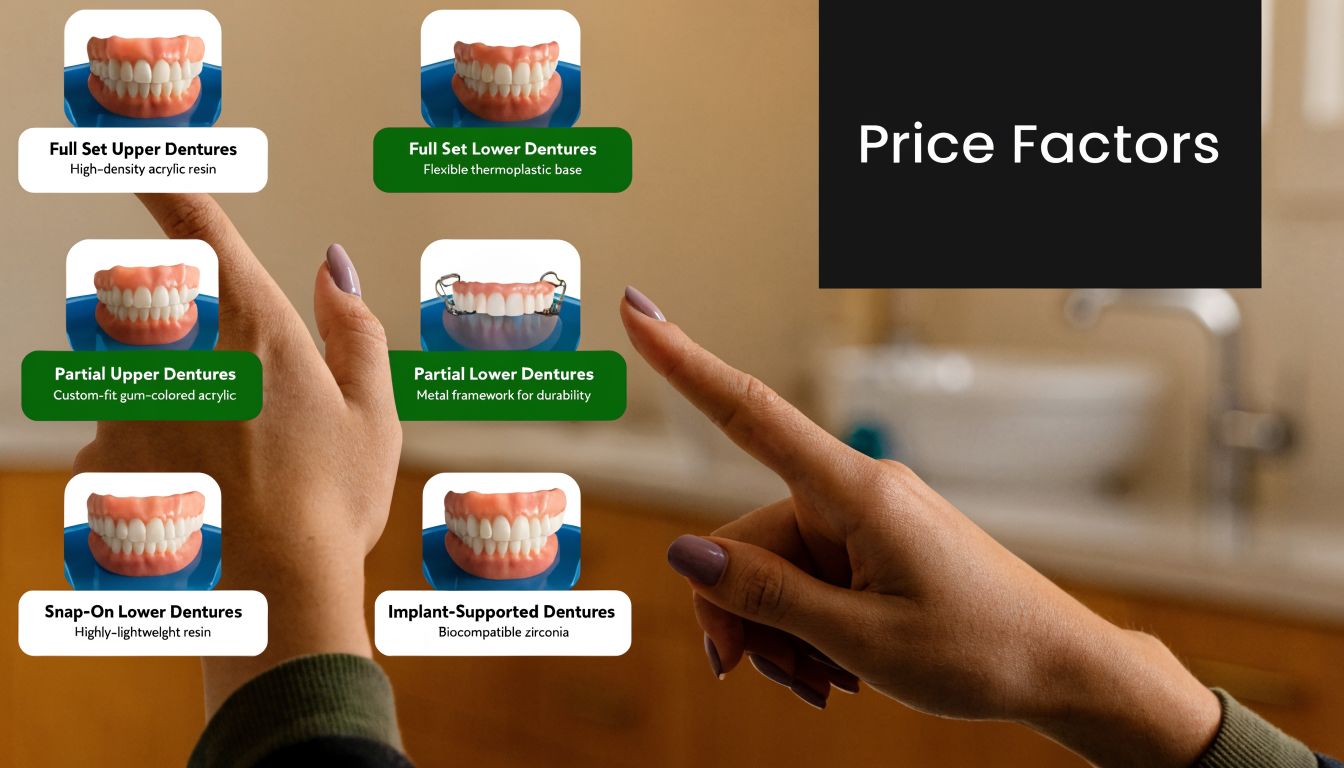
Material science is one of the biggest cost drivers. According to The Senior List’s denture cost breakdown, economy acrylics may have a flexural strength of about 60 MPa and are more prone to warpage, while premium heat-cured acrylics at 80 to 100 MPa and flexible nylons at 120+ MPa reduce fracture risk by over 50% and can deliver better fit and longevity.
That matters in daily use. A denture that warps more easily can lose adaptation to the gums. When that happens, sore spots, looseness, and chewing problems often follow.
The three biggest price drivers
Material choice
Economy acrylic may lower the upfront bill, but it often doesn’t hold its shape as predictably. Premium heat-cured acrylics and flexible materials generally offer a stronger, more stable base.Laboratory complexity
Better characterization, more refined setup, and more detailed bite records usually add cost. That extra work often improves appearance and function, especially in the front teeth and smile line.Clinical precision
A denture that looks good in your hand can still fail in your mouth if the bite is off or the borders are overextended. The exam, measurements, try-ins, and adjustment process all influence the final outcome.
Why premium options often feel different
Think of a denture like a custom pair of shoes. If the material is stiff in the wrong places, thin where it should be strong, or shaped with poor measurements, you’ll feel every flaw. A better denture tends to distribute pressure more evenly and sit more naturally against the tissues.
For many patients, that means:
- better chewing control
- fewer sore spots
- a more natural-looking smile
- less worry about movement while speaking
A denture should restore appearance and function at the same time. If one is sacrificed for the other, patients usually feel it quickly.
The appearance factor is real
Patients sometimes feel uneasy bringing up cosmetics, but they shouldn’t. The look of a denture matters. Tooth shape, tooth shade, lip support, and how much tooth shows when you smile all affect whether your smile feels like your own again.
A lower-cost option can still be appropriate, especially when budget is tight. But when appearance is a major concern, it’s worth discussing where a more customized denture can make a visible difference. In my experience, the details patients care about most are often the details that make a denture feel believable and not “false.”
Budgeting for Additional Procedures and Maintenance
The denture itself is only part of the bill. Many patients are surprised when the final number changes because they also need teeth removed, follow-up relines, or help staying comfortable during treatment.
That’s not a pricing trick. It’s the truth that a mouth often needs preparation before a denture can fit and function well.
Common add-on costs in the Houston area
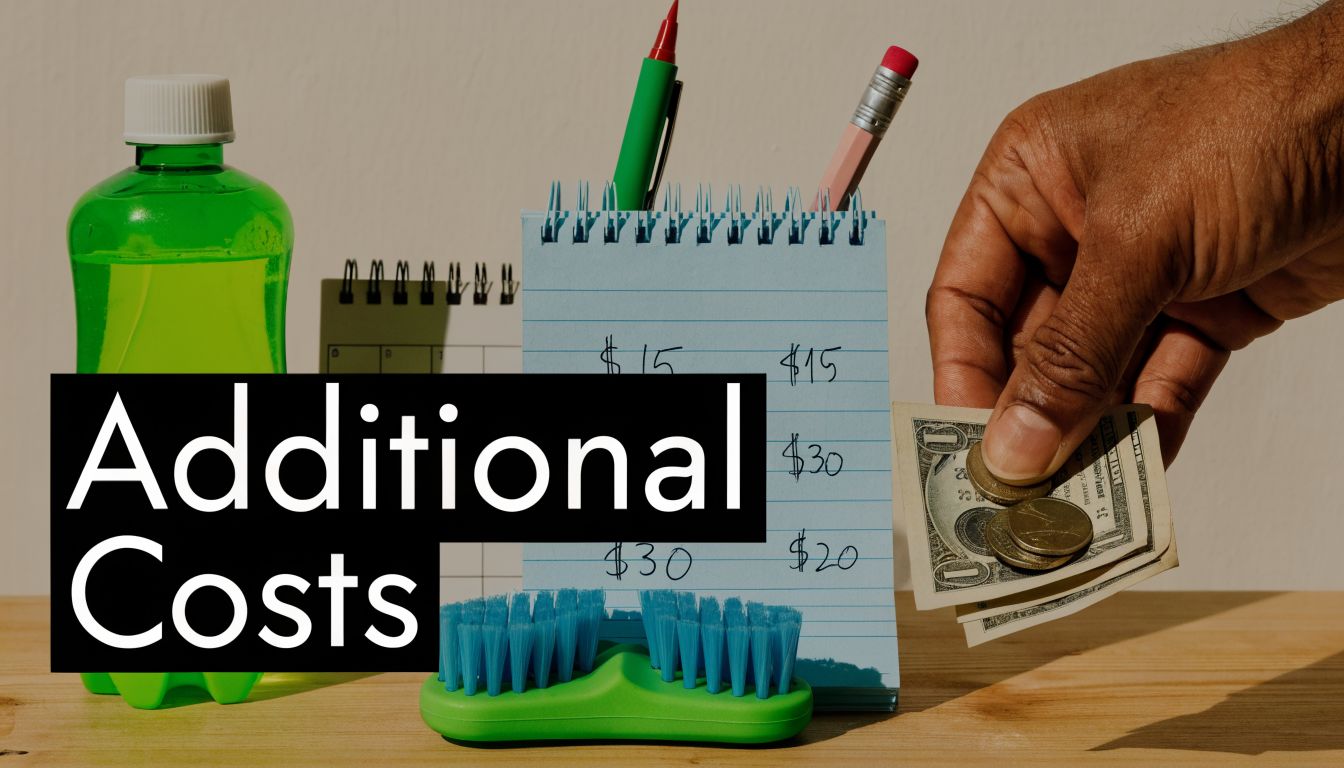
According to CareCredit’s denture cost guide, extractions in the greater Houston area can add $500 to $2,000, professional relines cost $300 to $500, and IV sedation ranges from $200 to $800 per session.
Those services can be completely appropriate. They just need to be part of the conversation from the start.
What patients should ask before treatment starts
Here are the questions that help avoid surprise costs:
Will any teeth need to be extracted first
If the answer is yes, ask whether that is included in the estimate or billed separately.Will I need an immediate denture and then a remake later
Healing changes the gums, and those changes can affect fit.How are relines handled
Relines are normal maintenance for many denture patients, especially after healing or when tissues change.Do I need sedation to feel comfortable
Some patients do fine with local anesthesia alone. Others with anxiety or extensive extractions may prefer IV sedation.
Maintenance is part of ownership
Dentures aren’t permanent in the sense of “set it and forget it.” Even when the denture itself is intact, your mouth continues to change. Bone and gum contours shift, and a denture that once fit well may start to move.
That’s where relines and adjustments come in. They help restore contact between the denture and the tissues, improve comfort, and reduce the rubbing that can make eating unpleasant.
If a denture starts feeling loose, don’t wait for it to become painful. Small fit problems are easier to manage early.
What often doesn’t work
Trying to “push through” a poor fit rarely goes well. Patients may start chewing on one side, avoid healthy foods, or use too much adhesive to compensate for a denture that needs professional attention.
The better approach is to budget for maintenance from the beginning. A realistic plan usually feels less stressful than chasing repeated fixes after discomfort starts interfering with daily life.
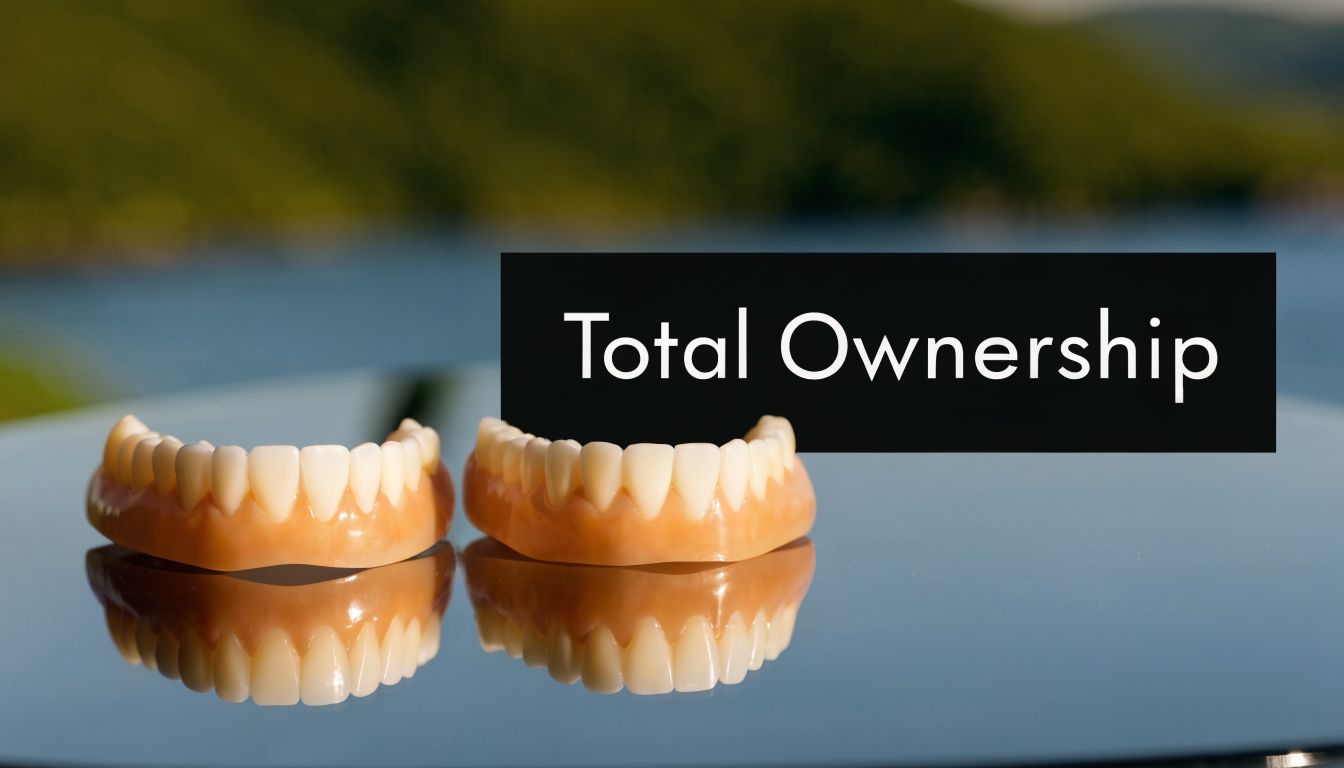
Thinking Long-Term The Total Cost of Denture Ownership
This is the part many people miss when they search how much are dentures without insurance. They compare the day-one fee and stop there. For removable tooth replacement, that can be an expensive mistake.
A denture should be judged the same way you’d judge any long-term health decision. Ask what it costs now, what it will require later, and how well it preserves comfort, appearance, and oral health over time.
The sticker price can be misleading
According to Delta Dental’s discussion of denture cost and insurance coverage, traditional dentures have a 5 to 7 year lifespan and need relines every 1 to 2 years at $300 to $500 each, which can bring the 20-year total to $5,000 to $10,000. The same source notes that implant-supported dentures can last 15 to 20+ years and may deliver up to 70% lower total cost of ownership.
That doesn’t mean everyone should choose implants. It does mean the cheaper option upfront may not remain cheaper over the long run.
A simple way to compare value
Consider these questions:
| Question | Traditional Removable Dentures | Implant-Supported Dentures |
|---|---|---|
| How often will fit change? | More often | Less often |
| Will maintenance likely be needed? | Yes, routinely | Usually less frequent |
| How stable will chewing feel? | Varies more | Generally more secure |
| How long might the solution last? | 5 to 7 years | 15 to 20+ years |
When a higher fee makes sense
For some patients, stability is the deciding factor. They want a denture that doesn’t slide during meals or shift during conversations. Others care most about preserving a fuller facial appearance and reducing the cycle of remakes and relines.
Those patients often do better when they think in annual cost and quality-of-life terms, not just the first invoice.
If a treatment improves daily eating, confidence, and predictability for many years, its value may be higher than its initial fee suggests.
What I tell patients in plain terms
If your budget only allows a removable denture right now, that can still be a very appropriate treatment. The key is making that choice knowingly. You want to understand the maintenance, the likely future adjustments, and whether you may eventually want to upgrade for better stability.
For patients who can invest more initially, implant-supported options often reduce the repeated cycle of looseness, relines, and replacement. The financial discussion becomes clearer when you stop asking only, “What costs less today?” and start asking, “What will serve me best over time?”
How to Make Your New Smile Affordable Without Insurance
Once patients understand the actual cost, the next question is usually how to make treatment manageable. That’s the right mindset. The goal isn’t to force the cheapest path. It’s to build a realistic plan that lets you move forward without feeling trapped.
A good financial plan starts with a written estimate and a clear sequence of treatment. When patients know what comes first, what can wait, and what support options exist, the decision feels less overwhelming.
Practical ways to lower the barrier
Break treatment into phases
In some cases, care can be staged. A patient may start with the most urgent extractions and a removable solution, then revisit upgrades later.Use healthcare spending funds if available
Many patients ask whether they can use pre-tax healthcare funds for denture care. It’s worth checking your specific plan documents and payment rules.Ask for written financing options
Third-party financing can spread cost over time. The important part is understanding the payment terms before you commit.
Where uninsured patients often find help
Some people qualify for reduced-cost care through community resources or training programs. Dental schools can be worth exploring if your schedule is flexible and you’re comfortable with a longer process. Patients who want a broader overview of options can review this guide on how to get dental care without insurance.
Other people prefer a private office setting because they need a faster timeline, more complex treatment, or sedation. Grand Parkway Smiles is one option that offers dentures, snap-in dentures, in-house savings plans, and financing for patients who don’t have full dental coverage.
What helps most during the decision
I’ve found that patients make better choices when they compare these three things side by side:
- Upfront cost
- Expected maintenance
- How much stability and appearance matter in daily life
A low monthly payment can be helpful, but only if the treatment itself is still appropriate. If the denture won’t meet your needs, the financing arrangement doesn’t solve the actual problem.
What to avoid
Choosing by price alone
This can lead to a denture that looks artificial or functions poorly.Ignoring maintenance costs
A treatment that seems affordable can become frustrating if repeated adjustments weren’t part of the plan.Delaying too long out of fear
Waiting often makes eating, speaking, and appearance concerns harder emotionally.
A workable path usually exists. The best next step is getting a personalized estimate, then matching the treatment to both your mouth and your budget.
Get Your Personalized Denture Estimate at Grand Parkway Smiles
The only reliable way to know your real cost is to have your mouth evaluated. Online averages can narrow the range, but they can’t tell you whether you need extractions, whether a partial is possible, or whether a more stable implant-supported option would save you trouble later.
A consultation should answer practical questions, not pressure you. You should leave knowing what type of denture fits your situation, what supporting procedures may be needed, and what the likely sequence of care looks like.
What usually happens at a consultation
A denture consultation typically includes:
- a review of missing and remaining teeth
- an evaluation of gum support and bite
- a discussion of appearance goals
- a conversation about comfort, anxiety, and treatment preferences
- a written breakdown of options
If you’re concerned about how treatment feels, say that early. Patients with dental anxiety often benefit from discussing comfort measures at the same time they discuss the denture itself.
Why personalized estimates matter
Two people can both need “dentures” and have very different treatment plans. One may be a straightforward full denture candidate. Another may need extractions, healing time, and more support for facial appearance or chewing balance.
That’s also why it can be helpful to read about real patient feedback before scheduling care. Looking through patient experiences with 4squares Dentistry can give you a sense of the kinds of concerns and outcomes people often talk about when choosing a dental office.
What to bring to your visit
Bring a list of:
- your current symptoms
- medications and health conditions
- questions about cost
- questions about appearance
- any concerns about eating, speech, or soreness
The more specific you are, the more useful the estimate becomes. A good consultation doesn’t just tell you a number. It gives you a plan you can understand and compare.
Frequently Asked Questions About Denture Costs
How quickly can I get dentures after teeth are pulled
That depends on whether you’re getting immediate dentures or waiting for healing before making conventional dentures. Some patients want teeth in place right away for appearance and convenience. Others prefer to let the gums settle first for a more refined fit.
What happens if my new dentures don’t fit right
That’s a common issue, especially during healing. Dentures often need adjustments, and some patients eventually need a reline as the tissues change. If a denture feels loose, rubs, or causes sore spots, contact the office instead of trying to keep forcing yourself to adapt.
A new denture should feel unfamiliar at first, but it shouldn’t stay painful or unstable without being checked.
Are premium dentures worth it
They can be, especially if you are particular about durability, fit, and a more natural appearance. Patients who want better chewing stability or a more customized smile often find the additional investment worthwhile. The key is matching the option to your needs, not assuming the highest or lowest fee is automatically right.
Can I get an exact price online
No. You can get a useful range online, but not a precise quote. The final cost depends on your oral condition, the type of denture, and whether you need any related procedures.
If you want a clear, personalized answer instead of a broad online estimate, schedule a consultation with Grand Parkway Smiles. A detailed exam can show which denture option fits your mouth, what your full treatment cost may include, and how to plan for a smile that looks natural, feels comfortable, and supports your confidence.