Oil pulling can’t reverse an established cavity. A 2022 meta-analysis of nine randomized controlled trials found that oil pulling significantly reduced salivary bacterial colony counts, but it found no significant difference in plaque index or gingival index, which is why it doesn’t repair tooth structure or undo a true cavity.
A lot of popular advice gets this wrong. Oil pulling has an appealing story behind it. It feels natural, low-risk, and proactive. For patients who want to take better care of their teeth and keep their smile looking healthy, that interest makes sense.
But there’s an important difference between cleaning and repairing. Swishing oil may help reduce some bacteria in the mouth. It does not rebuild enamel, fill a hole, or restore a tooth that has already broken down from decay. If you understand that one distinction, the hype around oil pulling becomes much easier to sort through.
The Allure of Oil Pulling and the Reality of Cavities
Oil pulling has become popular because it sounds simple. Swish oil, spit it out, and support your mouth naturally. For people who are trying to avoid cavities, gum problems, bad breath, or stains, that message is easy to latch onto.
The problem is that popularity and proof aren’t the same thing. The American Dental Association notes a lack of studies showing oil pulling reduces cavities, and relying on it as a cavity solution carries real consequences when decay is common. In the U.S., cavities affect 52% of children ages 6 to 8, and the WHO reports 2.3 billion cases of untreated decay worldwide according to this review of oil pulling and dental evidence.
Why the myth sticks
People often notice that their mouth feels cleaner after oil pulling. That cleaner feeling can be real. Breath may feel fresher, and the routine itself can make someone more mindful about oral care.
That’s where the myth grows. If something helps the mouth feel cleaner, it’s easy to assume it can also heal a cavity. It can’t.
Practical rule: If a tooth already has a physical hole, no rinse, oil, or DIY remedy can close that hole back up.
What patients actually need to know
A cavity isn’t just “bad bacteria on the tooth.” It’s damage to the tooth itself. Once decay passes the stage of surface weakening and creates structural loss, the issue shifts from hygiene to restoration.
That’s why I encourage patients to treat oil pulling as a possible wellness habit, not as a treatment plan. If you like it and it helps you stay engaged with your oral health, fine. But it belongs behind the basics, not in front of them.
- Helpful expectation: Oil pulling may support mouth cleanliness in a limited way.
- Unhelpful expectation: It won’t reverse decay that has already formed.
- Safer mindset: Use proven prevention daily, and get suspicious spots examined early.
Understanding Oil Pulling and Dental Cavities
Oil pulling comes from Ayurvedic practice originating over 3,000 years ago in India. In simple terms, it means swishing oil in the mouth and then spitting it out. The oils most often discussed in research are sesame and coconut.
What oil pulling is
Think of oil pulling as an oral rinsing practice, not a rebuilding treatment. People use it because they hope to reduce bacteria, freshen breath, and support gum health.
That definition matters. It places oil pulling in the category of adjunct hygiene habits, not in the category of cavity repair.
What a cavity really is
A cavity is a breakdown in the tooth’s hard outer structure. It starts when acids and bacteria weaken enamel. If that process continues, the surface no longer stays intact.
A useful comparison is a pothole in a road. At first, the surface may only be weakened. Once a section breaks open, you no longer have a cosmetic issue. You have structural damage.
A cavity is not a stain you wipe away. It’s a damaged area in the tooth that has lost structure.
Why those definitions matter
If the question is can oil pulling reverse cavities, the answer depends on understanding what oil can and cannot do. Swishing can move liquid around the mouth. It cannot replace missing enamel or rebuild a broken tooth surface.
Here’s the distinction in plain language:
| Condition | What it means | Can home care help? |
|---|---|---|
| Early weakening | Enamel is losing minerals but may still be intact | Yes, with evidence-based remineralizing care |
| Established cavity | The enamel has broken and a hole exists | No, this needs professional treatment |
That’s the heart of the issue. Once the tooth has crossed from weakness into actual loss of structure, the job changes completely.
The Science on Oil Pulling and Oral Bacteria
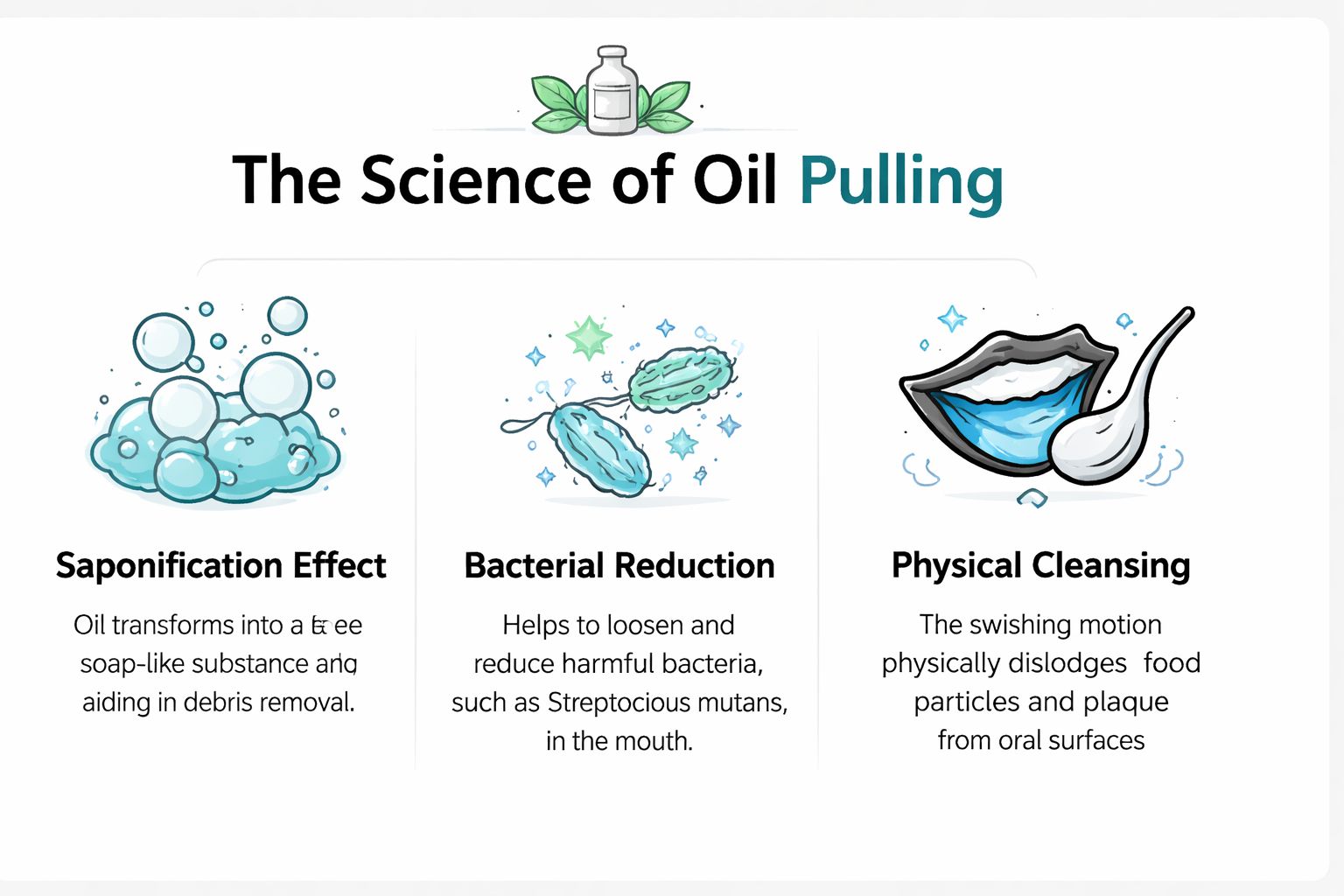
Oil pulling gets overstated online, but dismissing it entirely misses the small part it may play. The fairest reading of the research is that swishing oil can reduce some oral bacteria and loosen some debris for some patients. That is a modest hygiene effect, not a cavity treatment.
A review in the Journal of Traditional and Complementary Medicine reported reductions in plaque and oral bacterial counts in some studies of oil pulling, while also pointing out that the evidence base is still limited and study methods vary widely, as described in this review of oil pulling mechanisms and clinical evidence. That trade-off matters. A practice can show a mild benefit and still be oversold.
What’s happening during swishing
Several theories have been proposed. One is saponification, a soap-like reaction involving fats and saliva. Another is simpler and more believable in day-to-day practice. Swishing any liquid for several minutes can help dislodge loose particles and temporarily lower the number of free-floating bacteria in saliva.
That is different from breaking up established plaque.
Plaque is a sticky biofilm attached to the tooth surface, especially near the gumline and between teeth. In the operatory, I can see the difference clearly. Patients who oil pull but skip careful brushing and flossing still build up plaque in the same trouble spots.
Where the benefit stops
Oil does not give the same tooth-by-tooth contact as a toothbrush. It does not clean between teeth the way floss or interdental brushes do. It does not remove hardened buildup the way professional instruments do.
So yes, oil pulling may be a supportive habit. It may help with breath freshness for some people, and it may reduce some bacterial load for a short time. If you are also sorting through cosmetic claims, our guide on whether coconut oil can whiten teeth explains where surface changes stop and real dental treatment begins.
The practical message is simple. Oil pulling can sit beside proven home care, but it cannot replace brushing with fluoride toothpaste, cleaning between the teeth, and regular dental exams.
Why Oil Pulling Fails to Reverse Established Cavities
This is the part that matters most. Oil pulling cannot reverse an established cavity because once a physical hole forms, the lost tooth structure is permanent. That’s the central biological fact.
Demineralization is not the same as cavitation
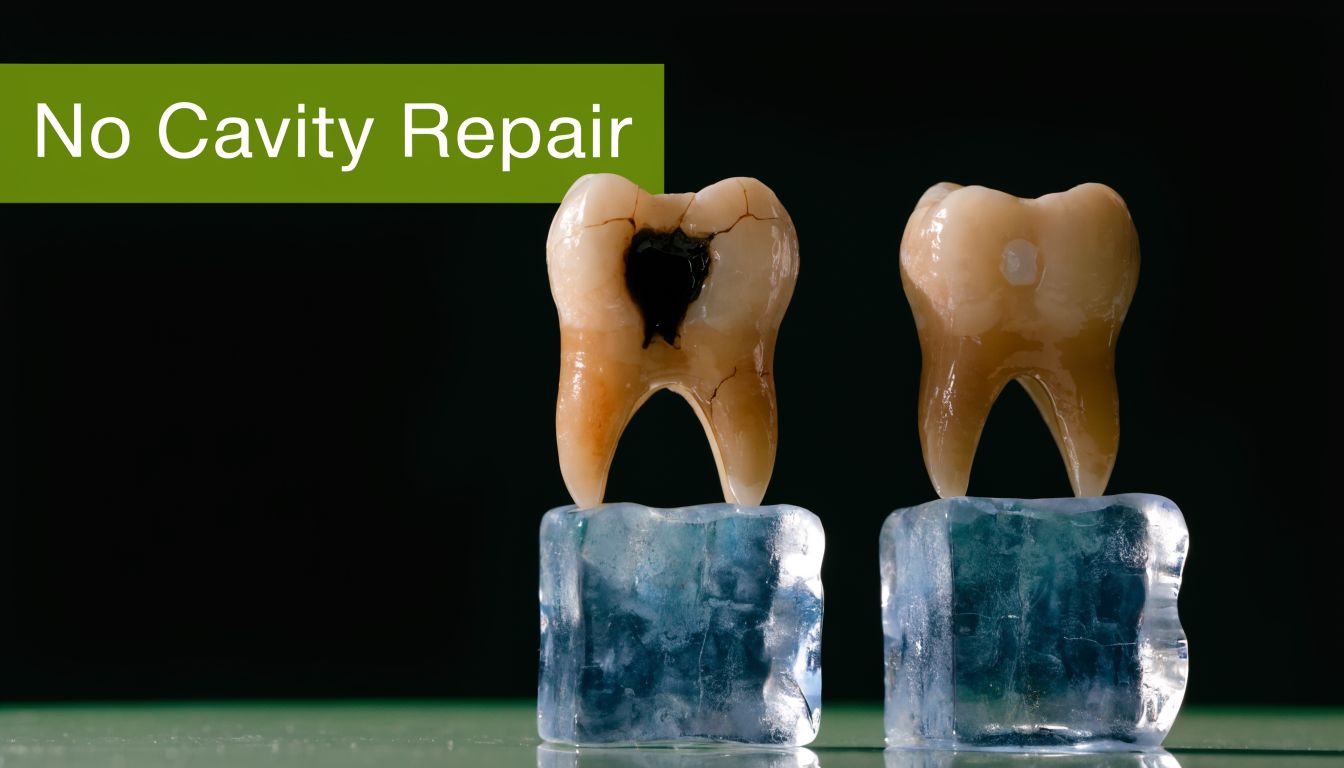
Early tooth decay begins as demineralization. In that stage, enamel has been weakened, but the surface may still be intact. This is the stage where evidence-based remineralization matters most.
Once the surface breaks and a cavity or cavitation exists, the tooth has lost physical material. At that point, the situation has moved beyond prevention and into repair.
Why oil can’t do the repair job
Some studies show oil pulling can reduce plaque by 18% to 30%, but it lacks mineralizing agents to rebuild enamel, and remineralization is only relevant in the pre-cavitation stage, primarily with fluoride, according to this clinical explanation of why oil pulling can’t reverse cavities.
That’s the key trade-off people miss. Reducing some bacteria is not the same thing as replacing missing enamel. A hole in a tooth isn’t a cleanliness problem alone. It’s a structural defect.
A simple way to think about it
If a wall has surface dust, you clean it. If the wall has a chunk missing, you patch it. Teeth work the same way.
Oil pulling can function, at most, like part of the cleaning side of the equation. It does not contain what a tooth needs to rebuild the damaged area, and it cannot physically close a cavity once the enamel has broken.
Once cavitation happens, the question is no longer “How do I clean this better?” It’s “How do I restore what’s missing?”
What this means for symptoms and timing
People often try home remedies when they notice sensitivity, rough spots, dark grooves, food trapping, or intermittent pain. That delay is risky. A cavity doesn’t pause while someone experiments with internet advice.
If you suspect a cavity, the practical decision is straightforward:
- If it feels rough or catches floss: get it checked.
- If cold or sweets trigger pain: don’t assume oil will calm the cause.
- If you see a dark pit or hole: treat it as structural damage until a dentist says otherwise.
The earlier a dentist catches decay, the more conservative the treatment usually is. Waiting turns small restorations into larger ones.
Effective Cavity Prevention and Supportive Home Care
The part of oil pulling that can be helpful is also the part people tend to overrate. It may play a small supporting role in oral hygiene for some patients, but cavity prevention still comes down to the habits that change the chemistry in your mouth every day.
The habits that actually prevent decay
As noted earlier, research on oil pulling suggests limited benefits in some oral health measures, but it does not outperform the basics that prevent decay. In practice, I tell patients to judge any home routine by a simple standard. Does it reduce plaque, lower acid exposure, and help enamel stay mineralized? If not, it belongs in the optional category.
These habits do the heavy lifting:
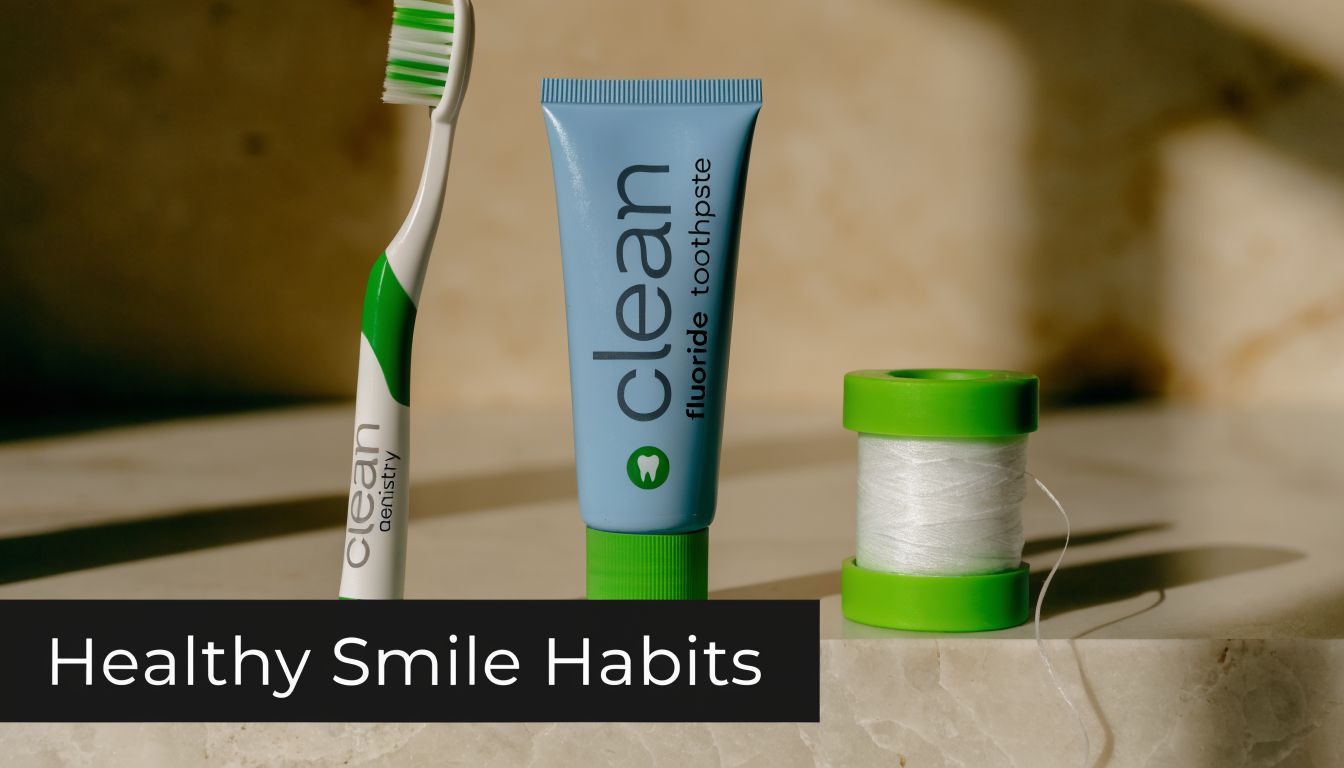
- Brush twice a day with fluoride toothpaste: Fluoride helps repair early mineral loss before it becomes a true cavity.
- Clean between the teeth daily: Floss or interdental cleaners reach areas a toothbrush and oil cannot.
- Limit frequent sugar and sipping: The frequency of sugar exposure matters because repeated acid attacks keep enamel from recovering.
- Drink water, especially after meals: Water helps clear food debris and supports saliva, which naturally protects teeth.
- Keep regular dental exams and cleanings: Early changes are easier to manage before they turn into larger repairs.
For patients who want a prevention routine that includes lower-sugar habits, saliva support, and other evidence-based home steps, this guide on how to prevent tooth decay naturally is a useful resource.
Where oil pulling fits
Oil pulling is optional. If someone enjoys it and it helps them feel more engaged with their oral care, I have no issue with that. The problem starts when it replaces fluoride toothpaste, flossing, or regular exams.
That trade-off matters.
A patient who brushes well with fluoride, cleans between the teeth, and keeps routine visits is doing the work that lowers cavity risk. A patient who swishes oil every morning but skips the basics is still leaving the main causes of decay in place.
If a home remedy makes you feel proactive, keep the parts that are harmless and helpful. Just do not confuse them with treatment or prevention tools that have a much stronger track record.
A practical home-care checklist
| Priority | What to do | Why it matters |
|---|---|---|
| Highest | Brush with fluoride toothpaste | Helps protect enamel and control plaque every day |
| High | Floss or clean between teeth | Reaches decay-prone contact points oil does not clean well |
| High | Cut down on frequent sugar exposure | Reduces the repeated acid cycle that drives cavities |
| Moderate | Drink water and support saliva flow | Helps the mouth recover after eating and lowers dry mouth risk |
| Optional | Oil pulling | A small add-on for some people, not a substitute for proven care |
Clear patient education matters here because many people come in after trying trending wellness advice that sounded more powerful than it is. Dental practices that publish trustworthy guidance often do a better job helping people choose care earlier, which is one reason strong communication and strategies to attract dental patients matter in real-world practice.
When Professional Cavity Treatment Is Essential
Once a cavity has formed, home care cannot restore the missing part of the tooth. Professional treatment becomes the only reliable way to stop progression and rebuild function.
Small cavities may need a tooth-colored filling. Larger areas of damage may require a crown. If decay reaches the nerve, a root canal may be necessary to save the tooth and remove infection. None of those treatments are signs that you failed. They’re how dentistry repairs damage that biology won’t repair on its own.
Signs you shouldn’t ignore
Some cavities are painless early on. Others announce themselves with sensitivity, biting discomfort, visible dark areas, or food getting stuck in one spot over and over.
The safest move is to get evaluated before pain becomes severe. Modern dental care is far more comfortable than many people expect, and earlier treatment is usually simpler.
Why waiting usually costs more than time
The longer decay sits, the deeper it can travel. That can mean a larger restoration, more time in the chair, and a more compromised tooth in the long run.
Dental practices also have to educate patients clearly so they don’t confuse trending wellness advice with actual treatment. In that broader sense, good communication matters as much as good clinical care. If you’re interested in how practices share trustworthy information online, this overview of strategies to attract dental patients is a useful example of how education shapes patient decisions.
If you think you might have a cavity, don’t test it with home remedies for weeks. Get an exam, get a diagnosis, and then choose the least invasive treatment that fits the problem.
If you’re dealing with tooth sensitivity, a visible dark spot, food trapping, or a toothache, Grand Parkway Smiles can help you get clear answers and evidence-based treatment. Our team in Katy provides complete care under one roof, from exams and tooth-colored fillings to root canal therapy, crowns, sedation options, and same-day emergency visits when you need prompt relief.