Cleaning your retainer doesn’t have to be a chore—it’s essential for preserving your dental health, preventing cavities, keeping gums healthy, and maintaining a bright, confident smile. A simple rinse after each meal combined with a weekly antimicrobial soak keeps it ready for whatever your day throws at you. Daily mechanical brushing sweeps away saliva and debris before plaque can settle, while periodic chemical disinfection halts biofilm before it jeopardizes both your retainer’s clarity and your oral health.
Quick Retainer Cleaning Routine
Start with a rinse under lukewarm water right after you eat. This little habit prevents particles from sticking around, stops acid attacks on enamel, and keeps your breath fresh for a confident appearance.
Next, grab a soft-bristle toothbrush and a dab of gentle soap—never abrasive toothpaste—to sweep off any lingering gunk. This preserves the retainer’s transparency and avoids micro-scratches that trap stains.
Once a week, drop your retainer into a bowl of effervescent or chlorhexidine tablets for about 10 minutes. This deeper dive into cleanliness zaps stubborn microbes, safeguarding your enamel and gum tissue while keeping your appliance looking like new.
Before you pop it back into its ventilated case, give it a quick glance for cracks or residue. Catching issues early preserves fit, prevents alignment shifts, and saves you a surprise trip to Grand Parkway Smiles.
For those rushed mornings, Emily swapped out her abrasive toothpaste for mild soap—and still wraps up her routine in under two minutes, all while protecting her smile’s health and brightness.
Retainer Cleaning Frequency Overview
To see how your daily habits stack up against weekly maintenance, here’s a handy comparison:
| Frequency | Action | Recommended Products |
|---|---|---|
| Daily | Rinse & gentle brush | Mild soap, soft brush |
| Weekly | Deep soak & inspect | Effervescent tablet |
Keep this table within reach. It’s a quick reference when you’re planning out your cleaning routine that supports both hygiene and appearance.
Many orthodontists emphasize that skipping daily care lets microbes multiply fast—72% of wearers pull out their retainers each day, and bacteria can spike by 100–1,000× within 24–48 hours if you let things slide. On the flip side, that weekly soak can knock down pathogens by over 99% in lab tests. Learn more in these retainer cleaning market insights.
“Skipping daily cleaning can boost bacterial load up to 1,000× overnight.”
These simple steps fit right into a busy Katy schedule—and they help Grand Parkway Smiles patients avoid last-minute dental visits due to retainer buildup.
Finally, store your retainer in a breathable case to keep odors at bay and give your smile the fresh start it deserves.
Choosing The Best Retainer Cleaning Routine
Different retainer designs—clear thermoplastic trays, classic Hawley plates, or fixed wire setups—require their own cleaning approaches. Picking the right routine keeps your device in great shape, protects your gums from irritation, and ensures your smile always looks flawless.
Below, you’ll find a simple visual guide that points you to rinse, soak, or avoid certain methods based on your retainer’s material and any sensitivity concerns.
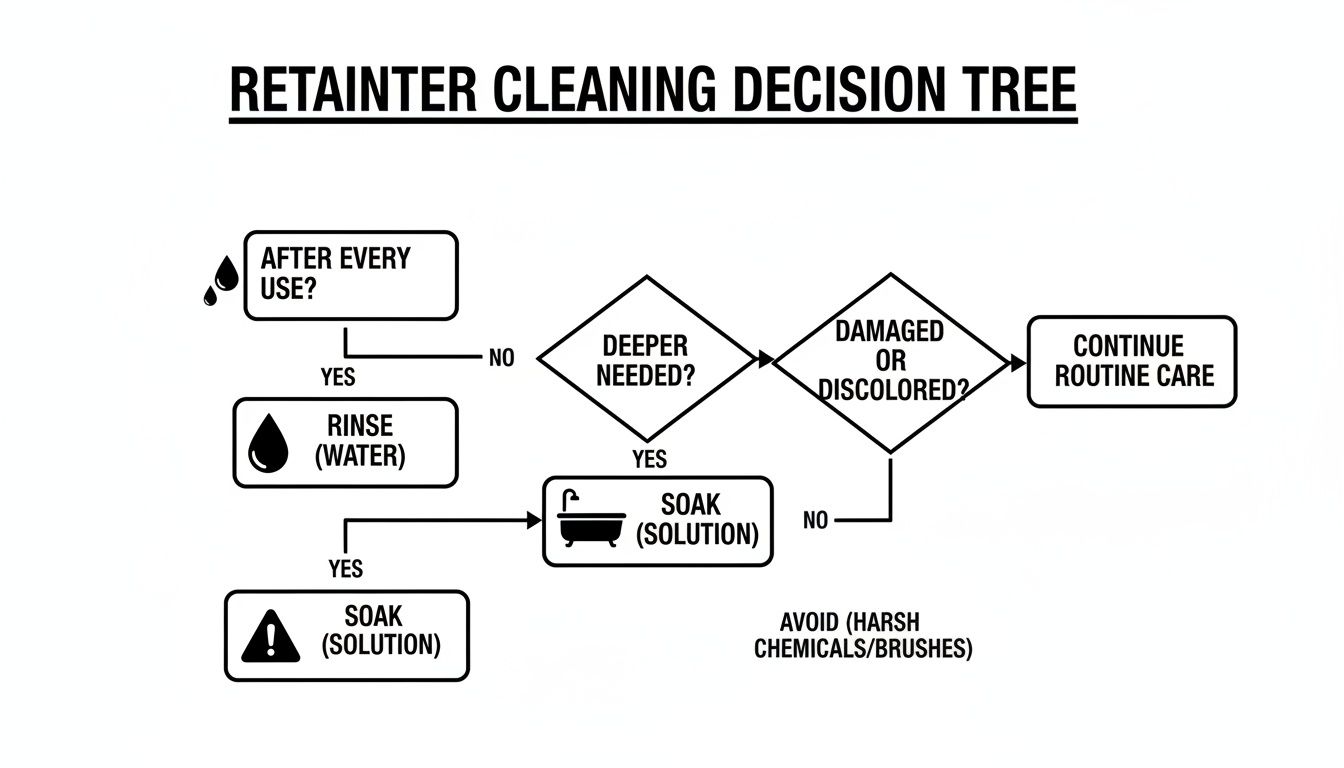
Real patient stories often drive the lesson home. Zoe, a busy college student, discovered that abrasive toothpaste left fine scratches on her clear tray—dulling its sparkle and trapping plaque. Now she relies on a gentle soap soak to preserve both clarity and dental health.
Before you begin, inspect your retainer under a bright light. Spotting tiny cracks early can save you from bigger headaches down the road and keeps bacteria from taking hold in hidden crevices.
- Scratch-prone plastics call for a mild soap soak; abrasive pastes will do more harm than good.
- Metal wires shine bright when you use a soft-bristle brush and floss threaders for precise cleaning.
- If you’re always on the go, a portable ultrasonic cleaner can zap bacteria in under ten minutes, keeping your retainer crystal-clear and hygienic.
Ultrasonic devices generate microscopic bubbles that implode around debris, sloughing away grime. That process can reduce bacteria by up to 99.999%, helping you avoid gum inflammation and bad breath.
In fact, lab comparisons show that combining an ultrasonic bath with an antimicrobial solution achieves a 3–5 log10 drop in contaminants in just 5–10 minutes. By contrast, mechanical brushing alone typically hits only a 1–2 log10 reduction. For details on market trends, check out this forecast report.
Cleaning Methods For Each Retainer Type
Thermoplastic Trays
A quick rinse after meals and a weekly mild soap soak keep those clear trays looking transparent and beautiful. Steer clear of hot water that can warp the plastic and distort your retainer’s fit.
Acrylic Hawley Models
Soft-bristle brushing handles everyday debris, while an occasional chlorhexidine soak helps control bacteria and maintain a bright, stain-free surface. Don’t overuse it, or you risk slight discoloration.
Bonded Wire Retainers
Since these stay fixed in your mouth, choose floss threaders or a water pick instead of long soaks. That precision cleaning prevents plaque buildup without soaking metal, ensuring both health and shine in tight spaces.
Cleaning Method Effectiveness Comparison
Below is a snapshot of how various cleaning techniques stack up in bacterial reduction:
| Cleaning Method | Log Reduction | Time Required |
|---|---|---|
| Mechanical Brushing | 1–2 log10 | 5 minutes |
| Chemical Soak | 2–4 log10 | 10 minutes |
| Ultrasonic Cleaner | 3–5 log10 | 5–10 minutes |
Pairing these methods can boost hygiene and keep your retainer looking crisp, without adding much extra time to your schedule.
A parent I know swapped to short ultrasonic cycles and cut their cleaning routine in half—while eliminating lingering odors and keeping their teen’s smile photo-ready.
“Switch routines when signs of wear appear to protect your smile.”
Rotate your brush heads or ultrasonic tips every three months. If you notice stubborn stains, odd smells, or a change in fit, reach out to Grand Parkway Smiles.
Always avoid hot water that deforms plastic; lukewarm rinses maintain its shape.
Make regular check-ups part of your plan to catch small issues before they become big ones.
Daily Retainer Cleaning Routine
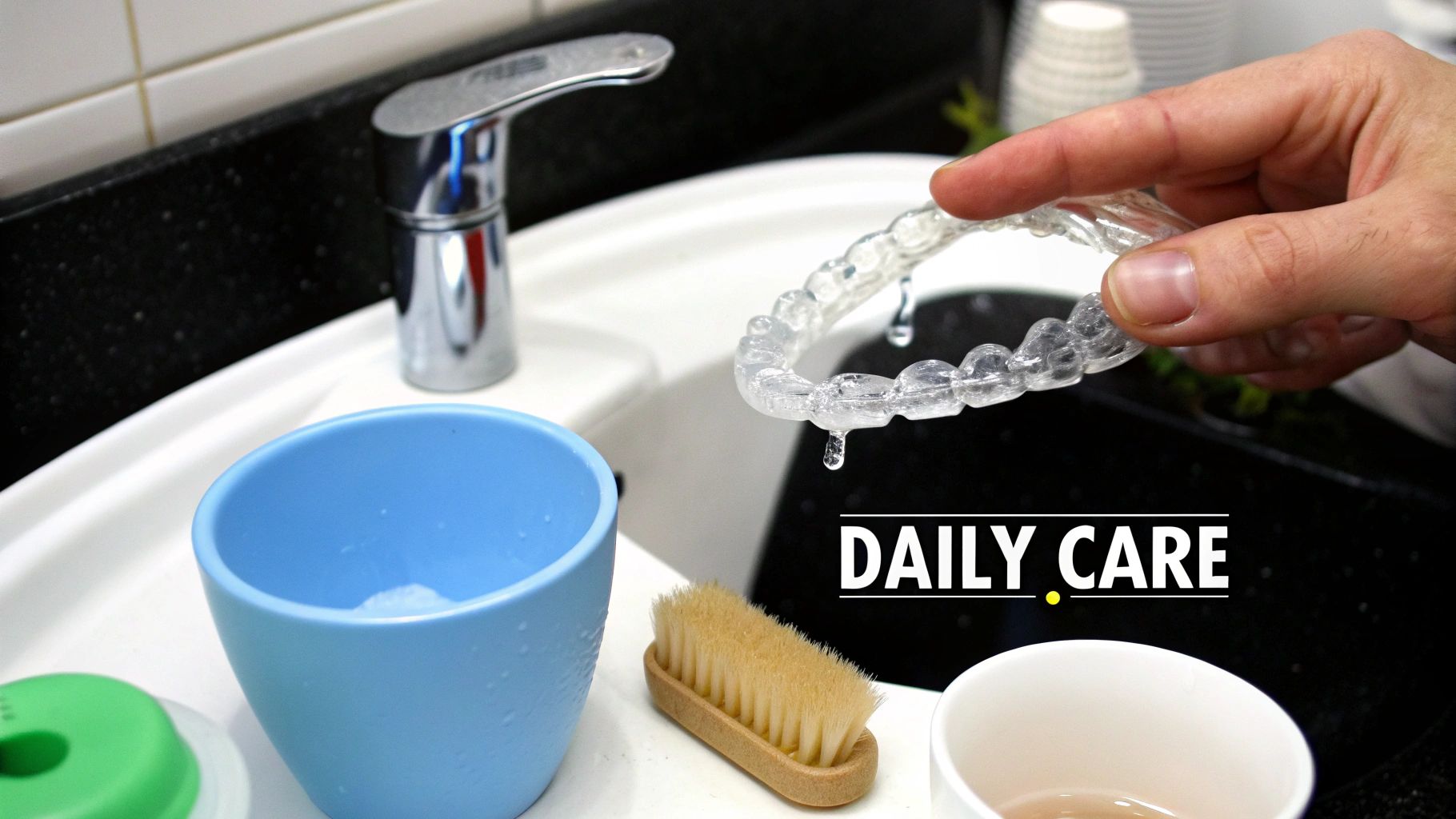
Whether you're racing between meetings or winding down for the night, a quick retainer clean takes five minutes max—all while preventing plaque buildup, gum irritation, and bad breath so your teeth look and feel their best.
Begin with a stream of lukewarm water to dislodge saliva and stray debris. That gentle warmth is perfect for thermoplastic and acrylic designs—it removes microbes without the risk of warping.
Next, grab a soft-bristle brush and a mild, fragrance-free soap. Lightly scrub every surface, paying attention to edges where bacteria like to sneak in. Avoid foamy toothpaste; it can leave micro-scratches that trap plaque and dull your retainer’s shine.
Here’s what I reach for most:
-
Recommended Brush Types
• Soft-bristle toothbrush designed for orthodontic appliances
• Interdental brush for tight crevices -
Safe Soaps
• Unscented dish soap
• Castile soap diluted 1:3
Once you’ve given it a gentle scrub, hold your retainer up to a bright light. Look for hairline cracks or cloudy patches. Catching these early preserves fit, prevents bacteria from hiding, and saves you from costly replacements down the road.
On-The-Go Cleaning
If you’re shuttling between classes, practice, or work, a compact kit makes life easier. Pack a mini brush, a single-use soap sachet, and a small rinse bottle in a travel case. Then:
-
- Rinse immediately after practice.
-
- Brush gently in the bleachers.
-
- Air-dry in a ventilated case.
Keep this kit next to your toothbrush at home so it’s never an afterthought—ensuring you always present a fresh, sparkling retainer and healthy smile.
“A daily rinse and brush routine cuts odor and stops plaque before it settles.”
Clinical studies have shown that poor retainer hygiene can spike Streptococcus mutans counts by about 1 log10 and increase the odds of enamel demineralization by 1.6–2.2× over 6–12 months. Experts recommend rinsing, gentle brushing, and a weekly antimicrobial soak to manage these risks. You can find detailed data in the Plant-Based Retainer Cleaner Market Report.
When stubborn odors persist, a quick weekly soak in chlorhexidine can help neutralize them. Always let your retainer air-dry fully in a ventilated case before stashing it away.
We also cover aligners over at Grand Parkway Smiles. Dive into our Invisalign Maintenance Tips and Cleaning Guide for clear-tray best practices.
Stick to these five-minute habits and your retainer will stay fresh, odor-free, and ready for every smile.
Evening Wind-Down Hacks
After dinner is prime time for a quick retainer check—it ensures your appliance is free of bacteria that can cause bad breath and gum inflammation.
-
Minimal Soap Drops
A pea-sized amount prevents that slimy buildup. -
Microfiber Cloth Drying
Lay your retainer on a clean cloth to catch drips. -
Quarterly Soap Swap
Replace mild soap every three months to keep formulas fresh.
Amanda, a busy mom of two, does hers while tucking in her toddler. Everything lives in a caddy on her bathroom counter—making healthy habits effortless.
“I don’t miss a day because everything is right where I need it.”
Finish by scanning for faint cracks or chalky spots, then pop the retainer into a perforated case for full air circulation. This simple evening habit keeps plaque and odors at bay so you wake up confident and ready to flash your best smile.
Stay On Track
Set a daily phone reminder so retainer cleaning never slips your mind.
Chat with your dentist about the best products for your specific retainer type.
Consistency not only protects your smile but also extends the life of your appliance—and your confidence—every single day.
Deep Cleaning Protocol And Recommended Products
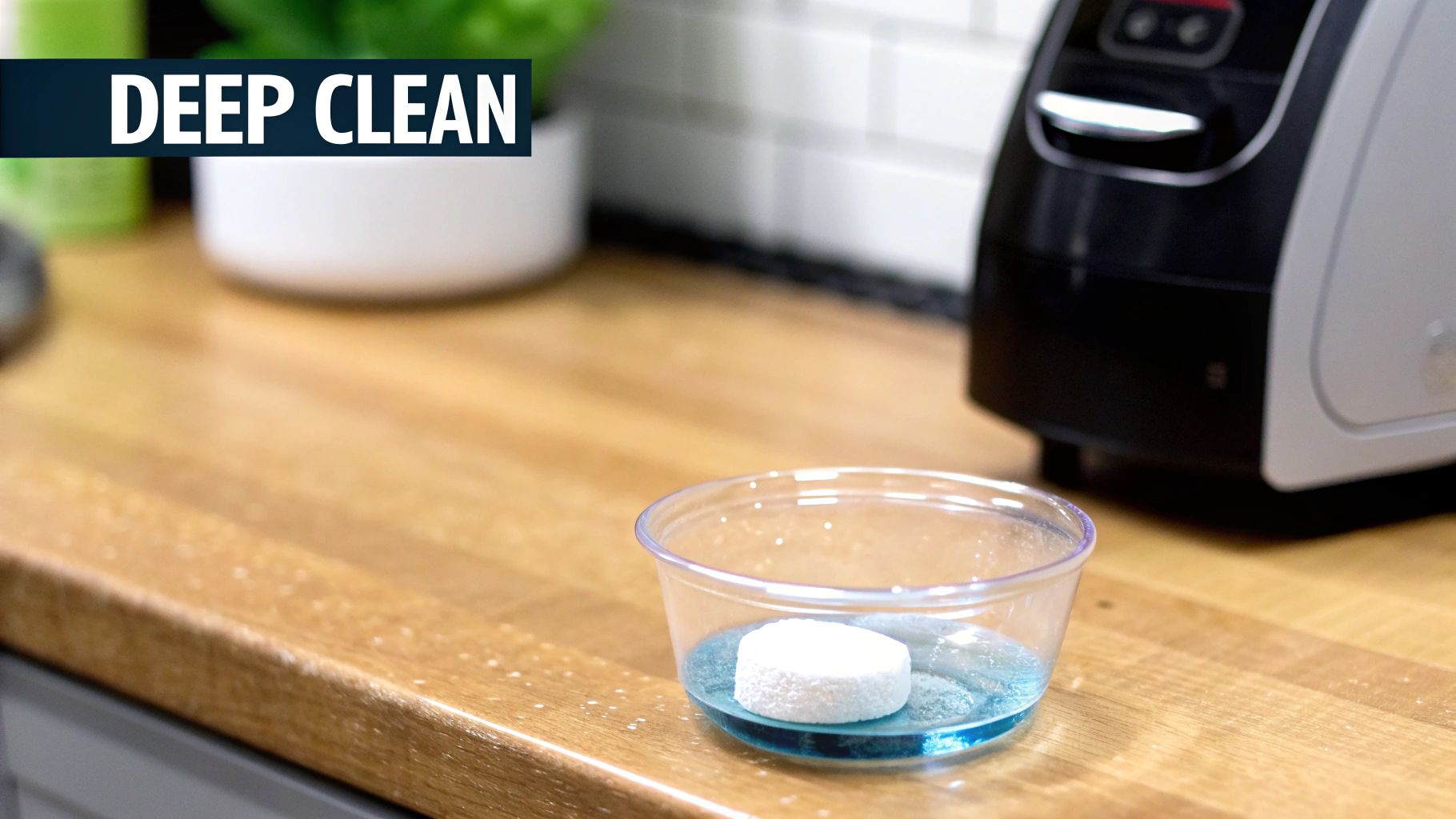
Giving your retainer a thorough deep clean every six to eight weeks is like hitting the reset button on your oral hygiene, preserving retainer clarity, preventing stains, and keeping your appliance looking—and feeling—like new.
On the shelves, you’ll typically find three go-to options:
- Effervescent Tablets: Deliver 99% pathogen reduction in about 15 minutes. They cost roughly $0.50–$1.20 per use and produce oxygen bubbles that scrub away debris around clasps and trays.
- Chlorhexidine Solution: A 0.12% disinfectant soak that knocks back bacteria by 3–4 log10 units in ten minutes, without dulling acrylic.
- Ultrasonic Cleaning Units: Sound waves plus a cleaning solution yield a 3–5 log10 reduction in under ten minutes, reviving clarity in cloudy plastic.
Mix your cleaner in lukewarm water—hot water can warp the retainer, and cold water slows down chemical reactions. Make sure the entire appliance stays submerged so edges don’t get brittle from drying out.
That said, some retainers with colored clasps may lose their hue after repeated chemical soaks. To spread the wear, alternate between two methods every other month and maintain both function and aesthetics.
Soak Method Details
Effervescent tablets fizz oxygen through every nook. Drop one into 200 mL of lukewarm water and set a timer for fifteen minutes—then rinse and admire your stain-free retainer.
Chlorhexidine soaks use a 0.12% rinse solution (easy to find at pharmacies). A ten-minute bath slashes bacteria without discoloration, protecting both health and appearance.
Ultrasonic cleaners work best with a mild, plant-based detergent. Five-minute cycles often restore your retainer’s original transparency in record time.
| Product | Cost Per Use | Log Reduction | Soak Time |
|---|---|---|---|
| Effervescent Tablet | $0.50–$1.20 | 2–3 log10 | 15 minutes |
| Chlorhexidine 0.12% | $0.20–$0.30 | 3–4 log10 | 10 minutes |
| Ultrasonic Unit | One-time $80–$150 | 3–5 log10 | 5 minute cycle |
Eco Friendly Formulas
For those leaning green, enzyme- and citrus-based cleaners pack an 85% punch against common oral microbes in ten minutes—keeping your retainer eco-friendly, clear, and fresh.
If you prefer a DIY approach, mix one part white vinegar with three parts water. Let your retainer soak for ten minutes, then rinse thoroughly to remove any acidic residue and preserve shine.
- Steer clear of bleach or high-proof alcohols—they degrade plastic over time.
- Rotate your cleaning methods to avoid material fatigue on colored or wired sections.
- Always air-dry on a microfiber cloth to prevent trapped moisture and musty odors.
User Insight
Grand Parkway Smiles patient Maria tried alternating tablets and ultrasonic cycles—and extended her clear retainer’s life by six months. She reported fewer odors, a snugger fit, and a crystal-clear tray that boosted her confidence at every meeting.
“The ultrasonic cycle revived my cloudy tray and I skipped replacement for half a year.”
A consistent deep-clean routine doesn’t just preserve your retainer—it keeps enamel-depositing bacteria at bay, reducing irritation and unsightly stains.
Discuss your next deep clean during your Grand Parkway Smiles visit to customize products and timing based on your appliance and lifestyle.
Final Tips
Never mix different cleaning agents—that can create harmful residues. Rinse your retainer under running water to remove any trace chemicals before popping it back in.
Store the clean, dry retainer in a ventilated case to prevent odor-causing moisture and accidental warping—especially if it rides in your car.
If you spot hairline cracks or stubborn stains after a deep clean, book a check-up at Grand Parkway Smiles. Addressing issues early can save you from unexpected replacements and protect your periodontal health.
Next Steps
Aim for a retainer evaluation every six months to keep fit and hygiene on point. Chat with your dentist at Grand Parkway Smiles about in-office ultrasonic services or other advanced cleaning options.
Avoid Common Retainer Cleaning Mistakes
A few small missteps can shorten your retainer’s lifespan, leave hidden bacteria behind, or dull its appearance. Catching these errors early keeps your appliance in top shape—and spares you surprise dental visits.
Why Ordinary Toothpaste And Hot Water Fall Short
Many people reach for regular toothpaste without realizing its abrasives carve tiny grooves into acrylic or thermoplastic surfaces. Over time, plaque builds up in those scratches, staining and weakening the device—compromising both health and aesthetic.
Dunking your retainer in water above 140°F might feel like a quick fix, but heat warps the plastic. A warped retainer won’t fit properly, creating gaps where bacteria thrive and causing unpleasant odors.
Skipping a weekly inspection? Those hairline cracks you don’t see become breeding grounds for microbes—and before you know it, discoloration sets in.
How Micro-Scratches And Warping Sneak Up On You
Abrasive ingredients in some pastes etch the surface, making it rough to the touch. Debris and stains cling to microscopic ridges, dulling clarity.
Heat exposure softens the material. Even a slight change in shape translates to an ill-fitting retainer, uneven tooth pressure, and a haven for bacterial colonies.
Spot Issues Early
Inspect under bright light once a week to spot rough edges or cloudiness. Early detection lets you tackle problems before they worsen.
When you notice a scratch or discoloration, switch immediately to a pH-balanced retainer cleaner. That simple swap helps prevent bacteria from settling into crevices.
- Rinse under lukewarm water to knock off surface debris.
- Gently brush wires and tight spots with a small interdental brush.
- Soak in a mild soap solution for 5 minutes.
- Air-dry on a clean microfiber cloth.
Tips To Keep Your Retainer Safe
- Carry an interdental brush in your travel kit for quick touch-ups along wires or clasps.
- Steer clear of bleach, vinegar, or alcohol-based cleaners—they can damage the material.
- Store your retainer in a ventilated case; avoid hot spots like car dashboards.
- Replace your case every year to prevent cracks that trap moisture and odors.
“A tiny weekly check and the right cleaner keep your retainer clear, safe, and ready every day.”
Consistent care not only prolongs appliance life but also supports healthy enamel and gum tissue. At Grand Parkway Smiles, we’ve guided hundreds of Katy patients through proper retainer cleaning—so you get the confidence of a spotless smile.
If you spot stubborn stains or any crack development, call our Katy office for a quick assessment. We use 3D imaging and ultrasonic cleaners in-office to evaluate and refresh your retainer.
Early fixes often mean you avoid the expense of replacement appliances and protect your long-term alignment. Remember: lukewarm water, a gentle brush, and weekly pH-balanced soaks go a long way.
Small tweaks now lead to big improvements in hygiene, comfort, and appearance—ensuring you enjoy a sparkle-bright smile for years to come. Contact Grand Parkway Smiles for personalized retainer care tips and schedule your next visit today.
When To Contact Your Dentist And Properly Store Retainers
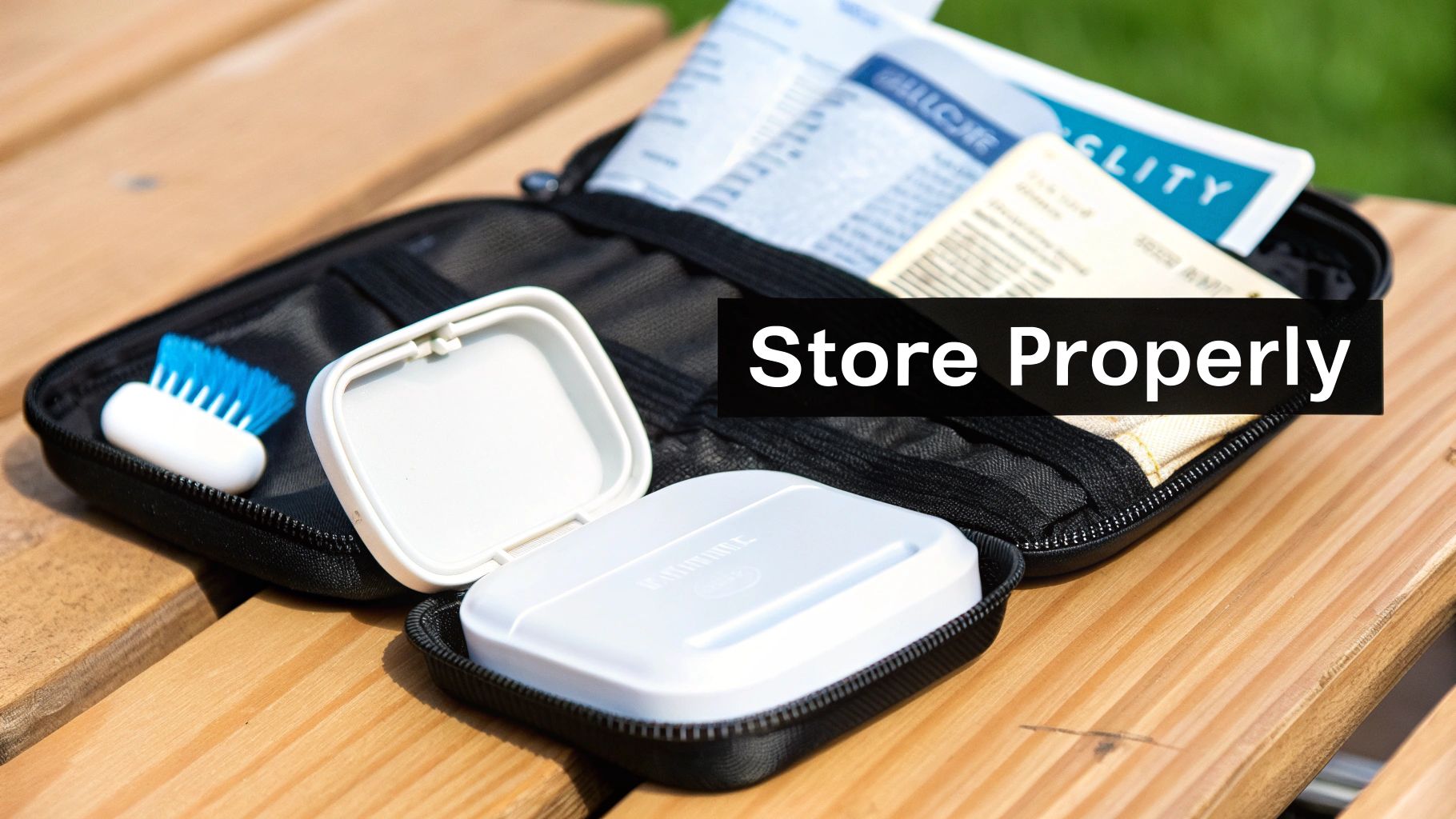
A retainer that feels slightly off can spell trouble before you even notice your teeth shifting. Stubborn stains that won’t budge after your weekly soaks often mean the surface is compromised. Even tiny cracks or a clasp that squeaks may harbor bacteria and irritate your gums over time.
Keep an eye out for:
- Warping that prevents a secure snap into place—leading to uneven pressure and potential misalignment
- Persistent discoloration despite gentle cleans—indicating biofilm buildup that can stain enamel
- Loose wires or metal clasps that shift—raising the risk of gum irritation and plaque traps
Recurring mouth sores or odd discomfort? Those are clear signs it’s time for a tweak. And if an unpleasant odor lingers after cleaning, bacteria are likely throwing a party you don’t want to attend.
“Catching small issues early can spare you a costly repair down the line.”
Storage Best Practices
A ventilated case helps air circulate and wards off musty smells. Never leave your retainer baking on a hot dashboard—heat warps plastic faster than you think and compromises both fit and hygiene.
My go-to tips:
- Rinse and air-dry completely before stashing—preventing mold and odors
- Store in a ventilated container at home—maintaining airflow to preserve clarity
- Carry a spare case for unexpected cleanings—so you can swap if one gets damaged or dirty
For example, one frequent flyer I know switched to her backup case mid-flight, dodging that unpleasant whiff when she finally opened it hours later.
When To See Your Dentist
If you spot deepening cracks or the fit feels loose, call Grand Parkway Smiles right away. A quick professional check can stop minor problems from ballooning into expensive fixes and safeguard your periodontal health.
Learn more about customized denture support in our Denture Care Center for extra tips.
“Timely checkups keep your retainers—and your smile—in top shape.”
Always dry your retainer fully before sealing it away to prevent mold growth. Keep a ventilated case handy and inspect it monthly for any wear. Blending mindful storage with regular dental visits protects both your appliance and your confident smile.
Contact us at Grand Parkway Smiles in Katy for personalized advice on retainer care.
Retainer Cleaning FAQ
A solid cleaning habit keeps your retainer—and your smile—in top shape. A little effort each day prevents plaque buildup, banishes odors before they start, and preserves that polished, professional look.
How Often To Clean
After meals, give your retainer a quick rinse under cool water and a gentle brush with a soft toothbrush—skip the toothpaste.
Once a week, submerge it in an antimicrobial solution to reduce pathogens by over 99%, protecting enamel and gum health.
Picking The Right Products
Plastic trays and metal wires need different care:
- Nonabrasive Soap: Safe on clear acrylic, won’t leave scratches that trap plaque.
- Soft-Bristled Brush: Ideal for maneuvering around wires and avoiding damage.
- Avoid bleach or alcohol-based rinses—they can weaken both plastic and metal and cause discoloration.
Tips For Each Retainer Type
- Clear Trays: Soak for 10 Minutes in effervescent tablets, then rinse thoroughly to preserve transparency and prevent yellowing.
- Hawley Models: Brush gently with soap and water; never use hot water that warps acrylic.
- Bonded Retainers: Rinse daily and slide floss threaders or interdental brushes under the wires to clear debris—keeping gums healthy and retainer discreet.
Tackling Odors And Stains
- Rinse and air-dry your retainer in a ventilated case to stop moisture buildup and musty smells.
- Rotate your cleaning method—try vinegar soaks (1:3 ratio) one month and tablet soaks the next for balanced hygiene.
- Inspect under bright light weekly for tiny cracks where bacteria can hide and compromise fit.
“A quick vinegar or tablet soak can refresh your retainer without damaging it.”
For tailored guidance and expert care, schedule your next appointment at Grand Parkway Smiles today. Their team will help you customize the perfect cleaning routine—ensuring your retainer and your smile stay healthy, bright, and confident.