Katy, TX Family Dentist — 5 Questions to Ask Before Your First Visit
If you’re booking your family’s first dental visit in Katy, TX, these five questions will help you pick the right dentist and arrive prepared. Below we cover what to ask about services, what a typical first visit looks like, how the practice handles anxiety and comfort, payment and insurance options, and the team’s qualifications — so you can feel confident and informed. Many families worry about pediatric care, emergency access, and complex treatment paths; this guide answers those concerns with clear steps and checklists. Read on for practical expectations about exams, child-focused protocols, sedation and gentle-care options, insurance and financing, and what to bring on appointment day. Keywords like family dentist Katy TX, first dental checkup Katy, and pediatric dental visit preparation Katy appear naturally to help you find the right provider and get the most from your visit.
What Family Dental Services Does Grand Parkway Smiles Offer in Katy TX?
Family dentistry ranges from routine prevention to advanced restorative and specialty care for every age. A family dentist in Katy, TX coordinates cleanings, exams, and restorations for kids, adults, and seniors, while arranging referrals for specialists when needed. These services aim to prevent decay, keep mouths working well, and restore smiles using a predictable flow—assessment, treatment planning, care, and follow-up—that helps families know what to expect. Knowing which treatments are general versus specialty care lets you ask focused questions about timing, recovery, and long-term results before your first appointment.
Which General and Specialized Dental Treatments Are Available for Families?
General dentistry covers routine cleanings, exams, fluoride treatments, and common restorations like fillings and crowns to stop decay and restore chewing. Specialty care — dental implants, root canals, full-mouth reconstruction, and oral surgery — treats more complex structural or functional problems and usually follows detailed imaging and planning. Orthodontic options such as Invisalign correct alignment and bite issues, and prosthodontics addresses larger restorations and dentures for older adults. It’s helpful to know whether these services are provided in-house or through a coordinated specialty team so your family’s care stays smooth and timely.
How Does Pediatric Dentistry Support My Child’s First Visit?

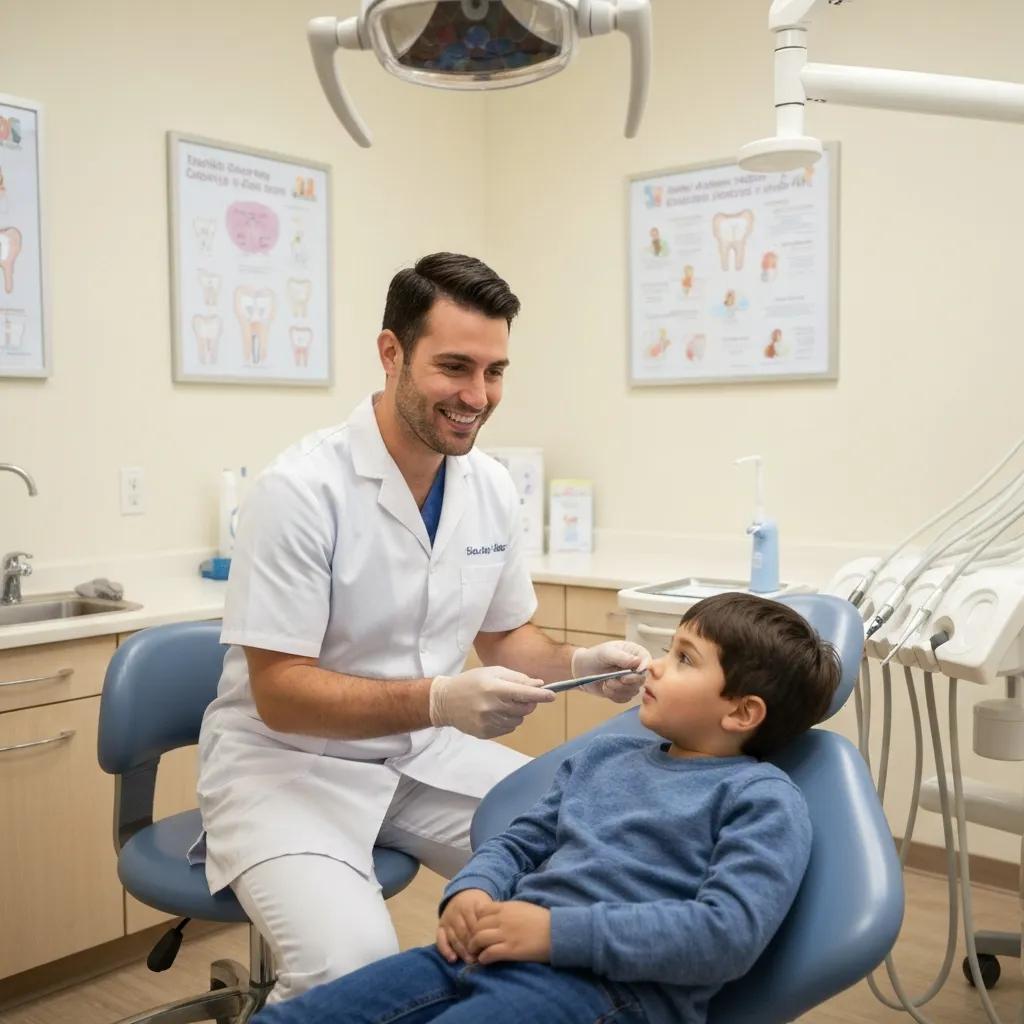
A pediatric-first visit uses kid-friendly language, shorter appointment segments, behavior guidance, and hands-on prevention that involve both parent and child. Pediatric dentists check eruption patterns, cavity risk, and early orthodontic signs while using techniques like “tell‑show‑do” and positive reinforcement to ease fear and build cooperation. Expect practical home-care tips on brushing, diet, fluoride, and cavity prevention that match your child’s stage of growth. Pediatric protocols also include anticipatory guidance for upcoming milestones and scheduling follow-ups timed to your child’s needs to keep preventive care on track.
Mapping services to family needs clarifies referrals and outcomes; the table below matches common services to the age groups who benefit most and the typical results you can expect.
What Should I Expect During My First Dental Exam at a Katy TX Family Dentist?
Your first dental exam follows a clear, safety-focused sequence: check‑in and paperwork, a review of health history, an oral exam, X‑rays if needed, and a discussion of findings with a tailored treatment plan. That order helps the team uncover issues early, match care to your priorities and insurance, and make the visit efficient. Knowing the steps ahead of time reduces stress and helps you bring the right documents and questions for a productive appointment.
What Happens During the Medical History Review and Oral Health Assessment?
The medical history documents conditions, medications, allergies, and past dental experiences because these details affect anesthesia choices, infection control, and treatment decisions. During the oral exam clinicians inspect teeth, gums, bite alignment, soft tissues, and your home-care status while checking for decay, gum disease, or developmental concerns. They’ll connect findings to risk factors — for example, diabetes or medications that affect healing — and explain whether treatment should be timed or referred. Accurate history lets the team personalize preventive steps and immediate care to keep everyone safer and healthier.
How Are X-rays and Treatment Plans Discussed at the First Visit?
X‑rays complement the visual exam by showing hidden decay, root health, and bone levels; recommendations for imaging follow safety guidelines and are matched to age and risk. After imaging, your clinician will explain findings in plain language, prioritize urgent needs, present treatment options with pros and cons, and outline a phased schedule. The goal is shared decision‑making: clinicians review alternatives, answer questions about comfort and cost, and confirm follow‑up timing. That transparency helps families see why each step matters for long-term oral health.
Use this mini checklist to remember the first-visit workflow:
- Check-in and forms: Verify ID and insurance and complete medical history.
- Clinical exam: Visual inspection of teeth, gums, and soft tissues.
- Imaging if needed: Targeted X‑rays to find hidden issues.
- Treatment planning: Clear options, priorities, and scheduling next steps.
How Does Grand Parkway Smiles Ensure Comfort and Manage Dental Anxiety for New Patients?
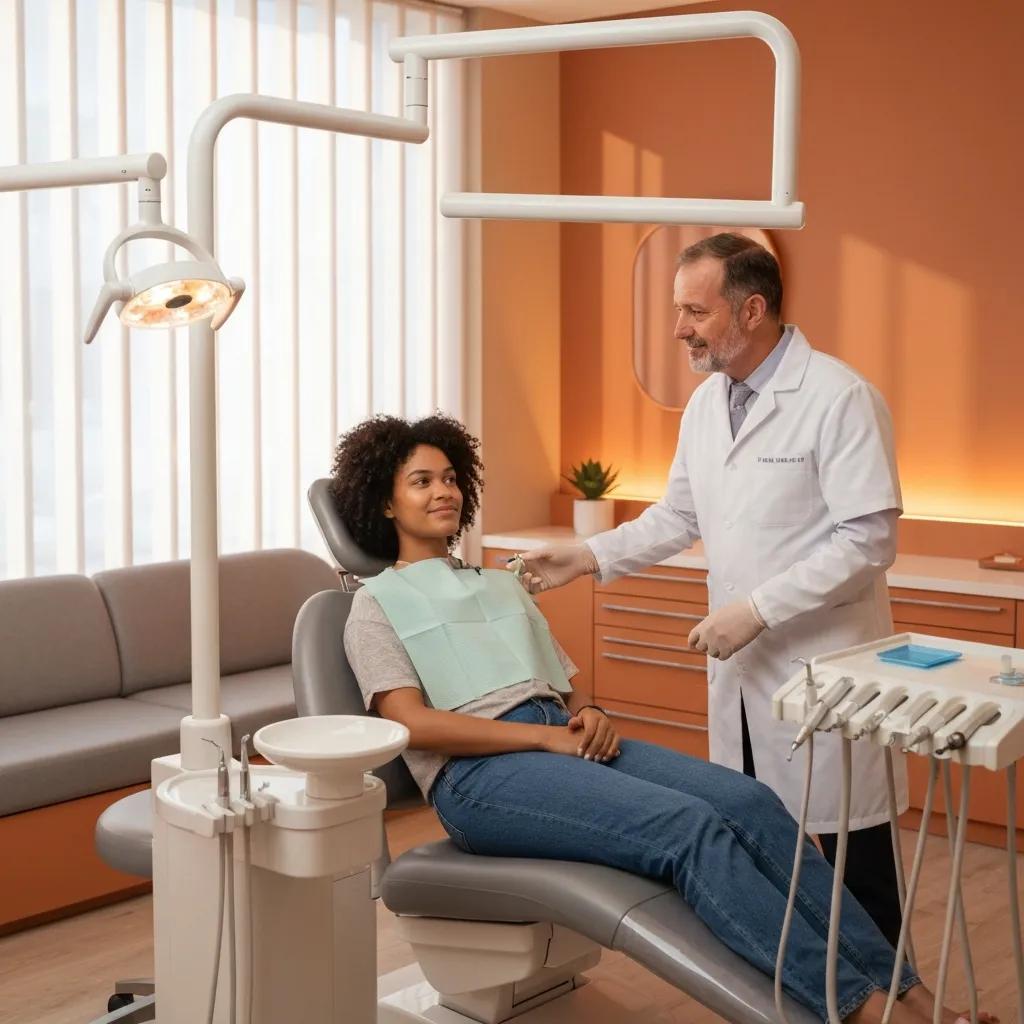
Comfort and anxiety management combine thoughtful environment, behavior techniques, and medication options to reduce pain and fear. Practices focused on comfort use clear explanations, slow pacing, distraction, and a soothing office design to create predictable, low‑stress visits for kids and adults. When needed, monitored sedation provides a safe path to care; the choice depends on medical history, procedure complexity, and your comfort goals. Starting with non‑drug strategies and adding sedation only when appropriate keeps care individualized and centered on your well‑being.
What Sedation and Gentle Dentistry Options Are Offered?
Sedation ranges from nitrous oxide for mild anxiety to oral sedatives and monitored IV sedation for more invasive procedures or severe dental phobia, offering graduated relaxation and, when appropriate, limited memory of the visit. IV sedation is an option for patients who need deep relaxation for complex treatment, with monitoring and safety checks based on medical history. Gentle dentistry techniques — topical anesthetics, slower pacing, and frequent check‑ins — also reduce discomfort and build trust during restorations or surgery. Talking about sedation at your first visit lets the team arrange consent, any necessary clearances, and scheduling that suits your needs.
Distinguishing comfort measures helps you see when behavior strategies are enough and when sedation may be appropriate; the table below summarizes common options and benefits.
This systematic review highlights how dental anxiety can affect care and how conscious sedation techniques are used, particularly for surgical procedures.
Managing Dental Anxiety with Conscious Sedation Techniques
Dental anxiety can lead patients to avoid treatment and raise medical or surgical risks. This systematic review summarizes evidence on conscious sedation methods used to manage dental anxiety for patients undergoing third molar extractions, identifies effective approaches, and points out areas where more research is needed.
Conscious sedation for the management of dental anxiety in third molar extraction surgery: a systematic review, M Melini, 2020
Staff create calm through clear patient education, gentle language, and visible safety practices that signal competence and care. Child-friendly touches — age‑appropriate explanations, distraction tools, and shorter appointment segments — help children feel comfortable, while stepwise consent and clear instructions reassure adults. Front desk and clinical teams work together to limit wait times and explain each step, which reduces anticipatory anxiety and builds trust. Small patient actions — deep breathing or bringing a favorite comfort item for kids — also help visits go more smoothly.
What Dental Insurance and Financing Options Are Available for New Patients in Katy TX?
Knowing payment paths ahead of time helps families plan for out-of-pocket costs and choose treatments that balance need and budget. Most offices accept a range of dental insurance plans, verify benefits at check-in, and estimate your share based on plan coverage and deductibles. For care outside insurance limits, practices often offer in‑house payment plans or partner with third‑party financing to spread costs. Bringing insurance information and discussing payment at the first visit lowers surprises and helps scheduling run more smoothly.
Which Insurance Plans Does Grand Parkway Smiles Accept?
Bring your insurance card and policy details so the front desk can confirm network participation and estimate benefits before major work. Grand Parkway Smiles accepts most dental plans and runs benefits checks to clarify deductibles, annual maximums, and coverage for common procedures. If a plan needs prior authorization or coordination with a specialist, the office will note next steps and expected patient costs. Calling ahead or uploading insurance details before your visit can speed check‑in and reduce paperwork delays.
Before the comparison table, use these quick steps to prepare for a benefits conversation with the office:
- Bring your insurance card and a photo ID.
- Note any required authorizations or referral rules your plan has.
- Ask the office for an estimated patient responsibility before scheduling major work.
What In-House Payment Plans and Financing Solutions Are Offered?
If insurance doesn’t cover everything, many practices offer in‑house plans or help you apply for third‑party financing to spread payments. In‑house plans let you make predictable monthly payments directly through the office; third‑party lenders provide longer-term financing subject to approval. Discuss these options during treatment planning so the team can tailor a payment schedule to the proposed care and your budget. Requesting a written estimate that separates insurance coverage and out‑of‑pocket costs gives you the clarity to choose the best payment path.
What Are the Credentials and Experience of Katy TX Family Dentists at Grand Parkway Smiles?
A multi‑specialty team improves continuity by combining general and specialty skills under one coordinated roof, reducing referrals and simplifying scheduling for families. Knowing which specialists are available on‑site or through a close referral network helps you choose a practice that can handle implants, root canals, or oral surgery without long delays. Look for clear specialty listings and descriptions of how clinicians collaborate on treatment plans — those are practical signals of reliable, coordinated care for every family member.
Who Are the Dental Specialists and What Are Their Areas of Expertise?
Common specialists supporting family dental needs include prosthodontists for larger restorations and dentures, endodontists for root canal therapy, pediatric dentists for child-focused care, and oral and maxillofacial surgeons for extractions and complex surgical needs. Each specialty addresses distinct problems: prosthodontics restores function after tooth loss, endodontics saves teeth by treating infected roots, pediatric dentists manage growth-related and preventive care for children, and oral surgeons handle extractions and implant placement. Knowing these roles helps you ask who will perform each phase of care and what results to expect.
How Does the Team’s Combined Experience Benefit New Patients?
A team with decades of combined experience brings varied clinical perspectives that improve treatment planning, cut unnecessary referrals, and streamline scheduling for complex cases. Experienced clinicians can anticipate complications, use evidence-based approaches, and present options that balance durability, appearance, and comfort. For new patients, that means quicker access to coordinated care, clearer explanations of complex procedures, and integrated follow-up that keeps your family on track with preventive visits. Experience shows up as smoother workflows, better safety, and more predictable results.
How Can I Prepare for My First Visit to a Family Dentist in Katy TX?
Preparing before your appointment makes the visit more efficient and useful. Bring ID and insurance details, list medications and medical conditions, gather prior dental records if available, and write down questions about pediatric needs or anxiety. For children, keep the pre‑visit conversation positive and avoid scary language — that helps cooperation and a calmer first experience. The checklist and logistics tips below make the appointment straightforward and productive.
What Documents and Medical Information Should I Bring?
Bring a photo ID, your insurance card, and a current medication and allergy list so the office can enter accurate medical information and verify coverage. If you’re switching dentists, request prior records or X‑rays to avoid duplicates and let the new clinician review past care. For minors, bring custody paperwork if required and the parent or guardian’s contact details for consent and billing. Having these items ready at check‑in speeds registration and helps the clinical team build a safe, individualized plan.
Use this quick checklist to prepare documents and child-specific items before your visit:
- Photo ID and insurance card: Needed for verification and benefits checks.
- Medication list and allergies: Important for anesthesia and drug safety.
- Prior dental records or X-rays: Helps avoid duplicate imaging and speeds diagnosis.
- Comfort item for children: A familiar toy or blanket can ease anxiety.
How Can I Schedule and What Should I Know About Appointment Logistics?
Most practices offer phone and online scheduling and will ask you to arrive 10–15 minutes early to finish registration and any paperwork, which keeps appointments on time. New‑patient visits usually allow extra time for history, exam, and imaging, so expect the first appointment to be longer than a routine cleaning. If you plan to use sedation or need complex care, tell the office in advance so any pre‑op instructions and medical clearances can be arranged. Letting staff know about childcare needs, wait‑time concerns, or special needs when you schedule helps them tailor your visit.
- Ask about same-day emergency availability: Confirm whether urgent care can be accommodated.
- Confirm arrival time and parking instructions: Reduces stress on appointment day.
- Bring written questions: Helps ensure you cover your priorities during the consultation.