IV Sedation Is It Right For Me
Modern dentistry is increasingly using IV sedation in dental procedures. This may be for several reasons; the most common of which is with a patient who has developed a high level of anxiety about dental procedures of any kind. This may be a result of previous experiences, a low pain tolerance or simply because the person has had many dental and/or periodontal procedures in their lifetime and has an acute memory of the pain involved. Some people simply have a fear of needles. Others have a very strong gag reflex, very sensitive teeth. Sometimes this anxiety is so intense that it causes a patient to avoid critically needed dental services or to avoid dental care to the point that they require a much more complicated and complex procedure than would have been necessary if they had consulted a dentist earlier.
People seldom look forward to a visit to the dentist’s office. The simplest procedure often involves the use of a local anesthetic administered through a hypodermic syringe in the area surrounding the tooth or teeth that is to receive the procedure. This deadens the area allowing the dentist to use drills and other instruments necessary to complete the procedure. While the injection itself is not particularly painful, most of us have memory of some pain that begins to be felt as soon as the local anesthetic begins to wear off.
What Preparation is Required of the Dentist?
Today dentists exist taking advanced training to become certified in the administration of IV sedation in the dentist’s office. This is required for the dentist to be licensed to perform this kind of procedure.
What is The IV Sedation Process?
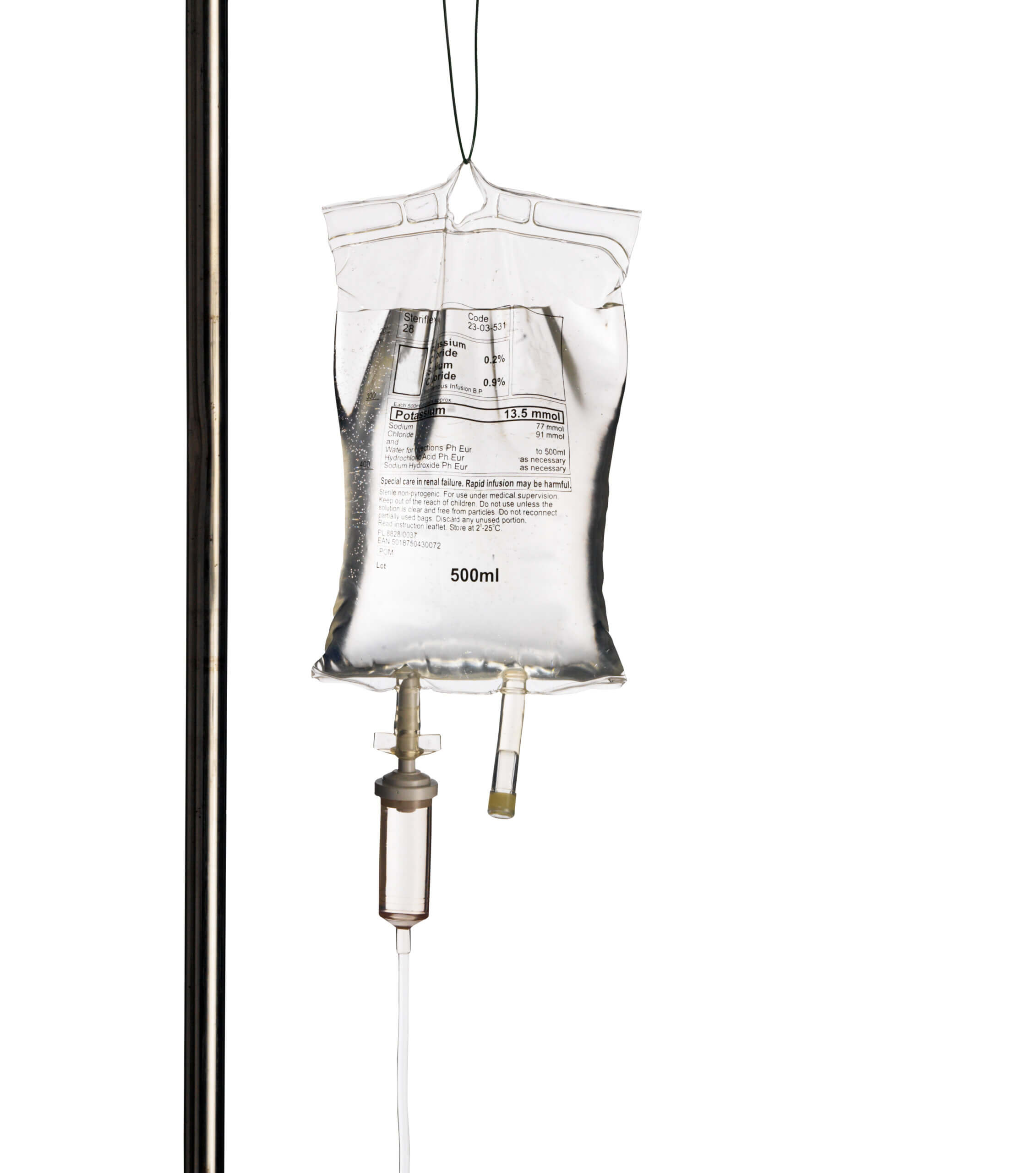
For many dental procedures, the dentist using IV sedation administers a closely monitored amount of sedative that will relax the patient and often an analgesic to eliminate pain. They are introduced into the body via a thin needle into a vein in the arm or in the hand. For patients who fear needles , a cream may be applied to the area before the needle is introduced, in order to numb it allowing for an essentially pain free experience.
The IV sedation may put you into a “twilight” state, where you can hear the dentist, respond to requests or “commands”, but feel no pain. You might even pass into a light sleep such that you did not feel anything during the procedure and do not remember anything when it is finished. IV sedation typically does not make you unconscious, as in general anesthesia. You may feel a bit drowsy during the procedure.
What are the Levels of IV Sedation?
After an assessment of the situation, using full mouth Xray, a thorough dental examination and often a team consultation, the level of sedation required will be decided. This depends on various criteria:
· The patient’s general medical condition
· The patient’s previous experience with anesthetics of any kind
· Any allergic reactions to medications the patient has experienced
· The patient’s history of home dental care
· The patient’s age, height, and weight
What are the Levels of Sedation?
· Minimal – With this level of sedation, you will become relaxed and most probably will remain awake during the procedure, will be able to answer questions and respond to the dentist or oral surgeon’s instructions and requests. The dentist often selects this level of IV sedation when your cooperation and ability to respond is necessary for the procedure to be successful.
· Moderate – With moderate sedation, you will most likely feel some drowsiness. Some even fall asleep with this procedure. When the procedure is completed, most patients do not remember the procedure. Some patients will remember parts of the procedure.
· Deep – You will sleep through the procedure, but will not likely have much memory of the procedure while it is in process.
What are the Benefits of IV Sedation?
IV sedation does not affect your body’s natural processes, but it eliminates your ability to feel pain. You will be able to breathe on your own and can typically cooperate with the dentist by responding to a request and answering questions.
IV sedation allows the dentist to complete complex procedures, such as difficult wisdom tooth extractions, root canals and placement of implants
IV sedation can make your visit to the dentist relatively pain and anxiety-free.
Example
A good example of how effective IV Sedation can be is the recent case of a 15-year-old young man who had a wisdom tooth that is impacted, in an exceedingly difficult, largely inaccessible position. Left alone, it would have caused great permanent damage. It was already beginning to trouble him greatly the oral surgeon and the general surgeon worked together to produce a very successful solution that would not have been possible without IV Sedation. The patient left the office fully ambulatory, but, as required, had someone bring him to the office, stay in the office during the procedure and take him home afterward. Notably, all of this work was done in one visit!
Dr. David Gomez and his associates offer the services of General Dentistry, an Oral Surgeon, an Endodontist, and a Pediatric Dentist, all under one roof.
Grand Parkway Smiles is committed to achieve the maximum in patient comfort and pain-free processes. We want you to have the best possible experience during your time with our staff of experienced dentists, oral surgeons, endodontists, pediatric dentists, dental technicians, and assistants. Most importantly, we want you to receive that absolute best care possible and to leave the office with long-term solutions to dental challenges, whatever they are.
IV sedation is only one of the arsenal of tools and techniques our staff of professionals use to assure long-lasting and fully satisfactory solutions to your dental problems, challenges, and oral health.