You may be reading this with one specific worry in mind: does teeth cleaning hurt, and is your appointment going to be uncomfortable from start to finish?
The honest answer is that most routine cleanings feel more strange than painful. Patients usually notice scraping, water, vibration, pressure, and the polished “just-cleaned” feeling afterward. When a cleaning does hurt, there's usually a reason for it, such as inflamed gums, heavy tartar near the gumline, exposed root surfaces, or the need for a deeper periodontal treatment rather than a standard preventive cleaning.
That distinction matters for your health and your appearance. Professional cleanings don't just make teeth look brighter. They remove plaque and tartar you can't fully remove at home, lower the risk of gum problems, and help protect the shape of your smile over time.
Does a Teeth Cleaning Hurt? The Short and Long Answer
If you're nervous before a cleaning, that's normal. Many people expect pain because they remember a sharp metal instrument, the sound of a scaler, or a past visit that happened after too much time had passed between appointments.
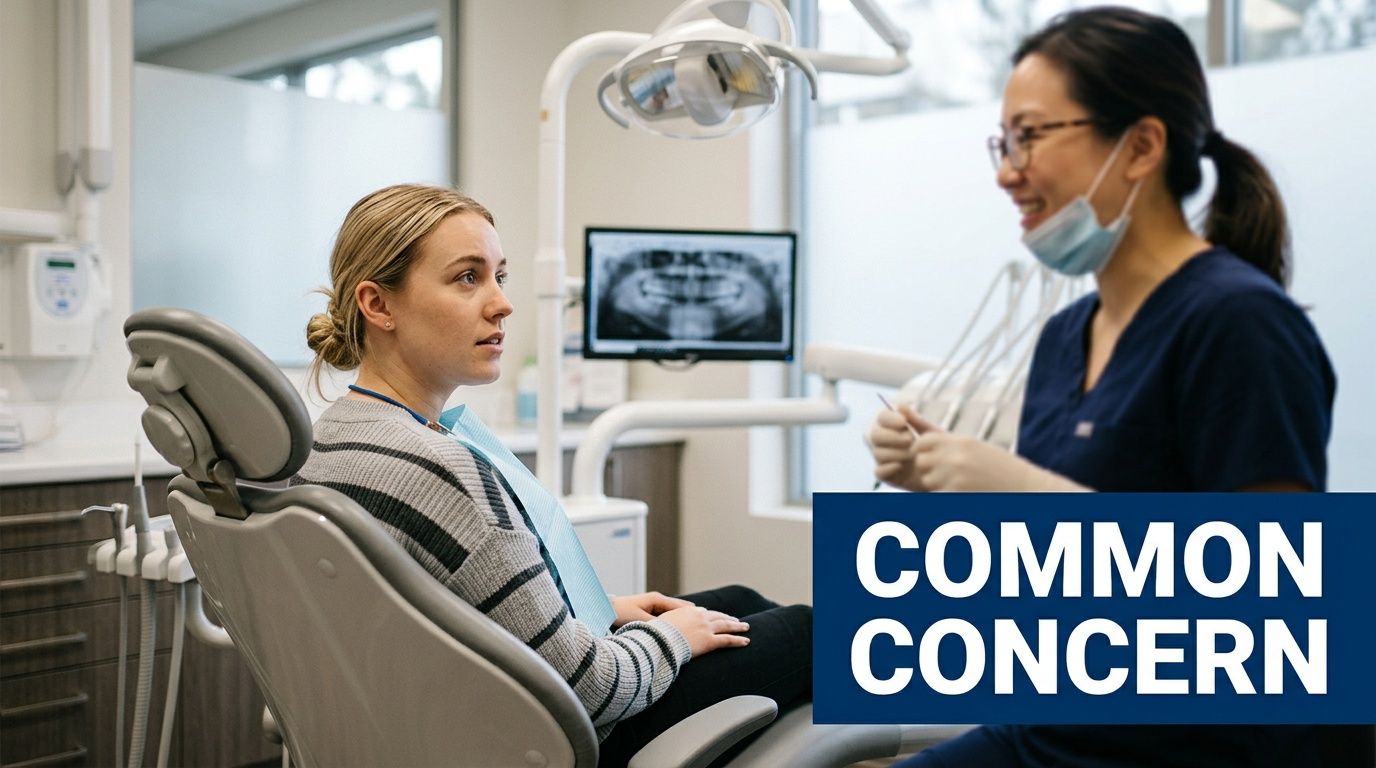
The short answer is this: a routine teeth cleaning usually doesn't hurt in a healthy mouth. You may feel pressure, scraping, cold water, or vibration. That's different from true pain. In a mouth with irritated gums or sensitive teeth, though, those same sensations can feel much more intense.
What most people actually feel
A standard cleaning often includes a scaler, suction, polishing paste, and floss. That combination can feel:
- Scratchy in spots when tartar is being removed
- Vibratory if an ultrasonic scaler is used
- Cold from water and air
- Tender at the gums if the tissue is already inflamed
Practical rule: If the sensation feels like pressure or vibration, that's usually expected. If it feels sharp, lingering, or concentrated in one area, your hygienist or dentist should know right away.
Why the answer isn't the same for everyone
Not every “cleaning” is the same procedure. Some patients need a simple preventive visit. Others need a deep cleaning, also called scaling and root planing, because gum disease has created infected pockets around the teeth.
That's why a good dental visit starts with diagnosis, not guessing. The right question isn't only “Will it hurt?” It's also “What kind of cleaning do I need, and what comfort option fits me best?”
Why a Painless Procedure Can Sometimes Hurt
A routine cleaning is designed to be gentle. When it feels uncomfortable, the procedure usually isn't the actual problem. The tissues being cleaned are.
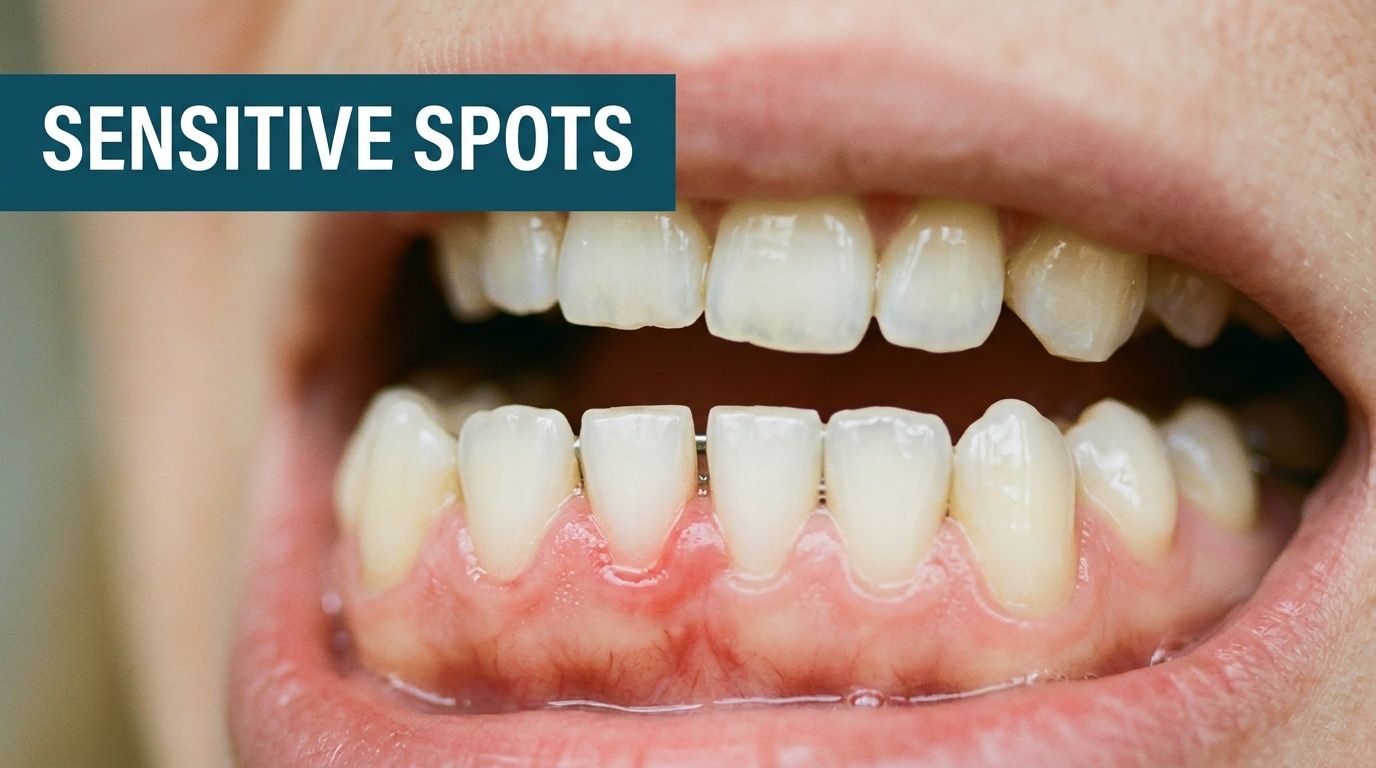
One of the biggest reasons is gum inflammation. Gum disease affects 47.2% of U.S. adults aged 30 and older, according to the CDC, and inflamed gums are a primary reason cleanings feel tender because scaling and polishing touch tissue that is already irritated, as summarized in this discussion of why gum inflammation can make dental cleanings uncomfortable.
Inflamed gums react differently
Healthy gums are firmer and less reactive. Inflamed gums bleed more easily, swell more, and respond more strongly to ordinary contact. A useful way to think about it is this: cleaning around inflamed gums is a bit like rubbing healthy skin versus rubbing skin that's already irritated.
That's why some patients say, “The cleaning hurt,” when the more accurate statement is, “My gums were already unhealthy, and the cleaning exposed that.”
The sensation may come from exposed areas
Discomfort can also come from gum recession, enamel wear, or root exposure. When tartar is removed, those areas are no longer insulated by buildup. Air, water, polish, and instruments can suddenly reach sensitive surfaces.
If you already react to cold drinks or sweet foods, a cleaning may bring that same sensitivity to the surface. For practical home strategies, a well-organized guide to sensitive teeth relief can help you understand what tends to calm symptoms and what habits often make them worse.
What works and what doesn't
Some patients try to avoid discomfort by delaying visits. That usually backfires. More buildup means more time removing it, more contact around the gumline, and a harder visit.
What generally helps:
- Regular preventive care so tartar never gets heavy
- Daily brushing and flossing to calm gum inflammation
- Telling the team where you're sensitive before instruments go there
- Using sensitivity products consistently rather than only the night before
What usually doesn't help:
- Waiting until your gums are sore on their own
- Trying to “tough it out” without speaking up
- Skipping cleanings because the last one was uncomfortable
Mild discomfort during a cleaning often points to a problem the cleaning is there to improve, not a sign that the treatment is harming your teeth.
Routine Cleaning vs Deep Cleaning What to Expect
People often use the phrase “teeth cleaning” as if it means one thing. In practice, it can describe two very different appointments.
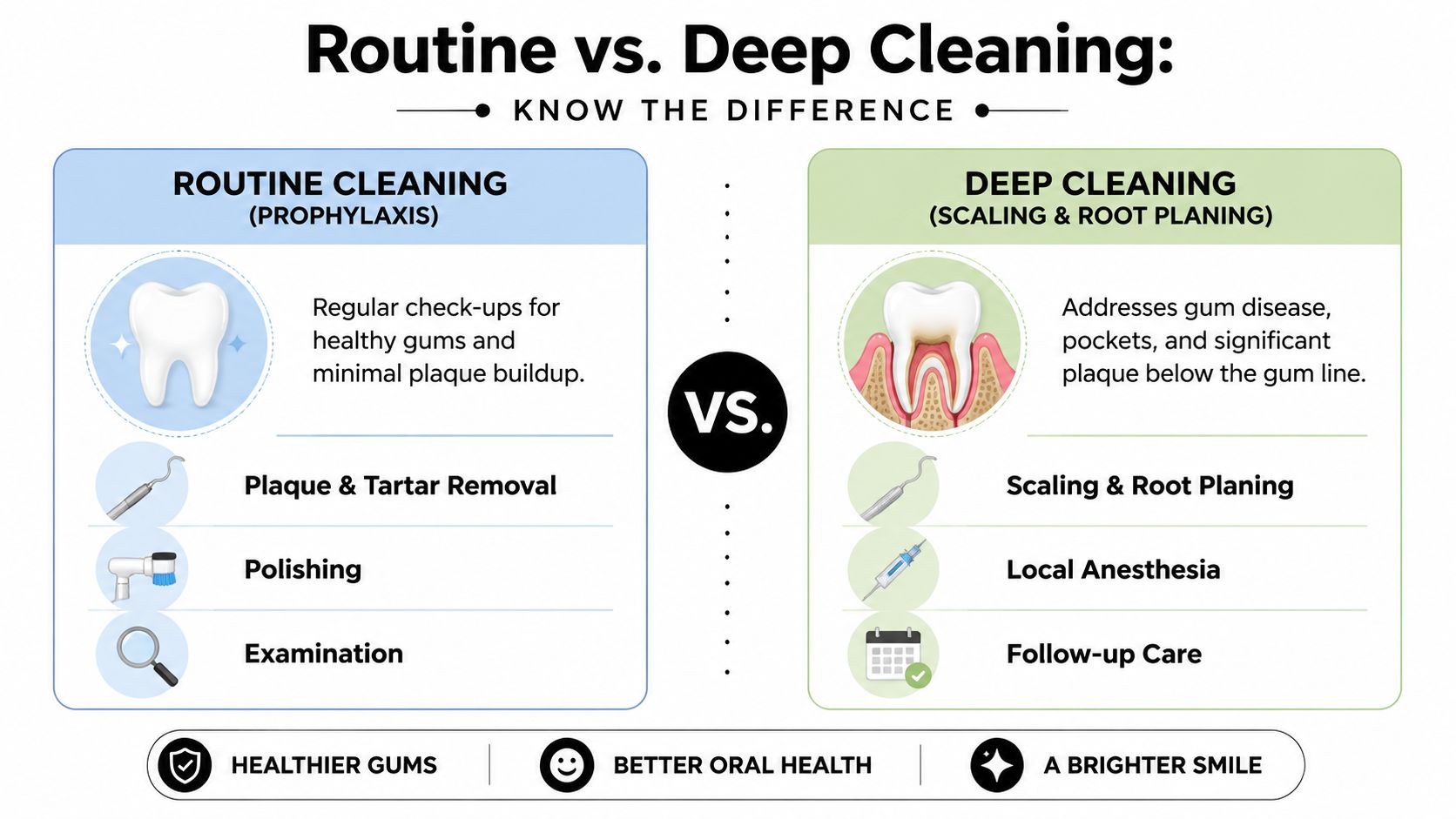
A routine cleaning, or prophylaxis, is preventive. It focuses on plaque, tartar, polishing, and maintenance above the gumline in a mouth that is relatively healthy. A deep cleaning, or scaling and root planing, is treatment for active gum disease. It goes below the gumline to clean infected root surfaces and reduce periodontal pockets.
The side by side difference
| Feature | Routine Cleaning (Prophylaxis) | Deep Cleaning (Scaling & Root Planing) |
|---|---|---|
| Main purpose | Preventive maintenance | Treatment for gum disease |
| Where it works | Mostly above the gumline | Below the gumline around root surfaces |
| Typical sensation | Scraping, polish, water, light pressure | Pressure, vibration, numbness during treatment, soreness after |
| Anesthesia | Often not needed | Commonly used |
| Recovery | Usually minimal | Temporary tenderness is common |
What deep cleaning feels like
Patients often worry about deep cleaning because it sounds more invasive. That concern is reasonable. This is a more involved procedure.
According to a summary on deep cleaning discomfort and recovery, deep cleanings cause mild to moderate discomfort in 70-80% of cases, post-procedure soreness lasts 1-3 days for 75% of patients, and 92% of patients tolerate the procedure well with modern protocols. The key point is that this discomfort is usually manageable, especially when the area is properly numbed.
Why this distinction matters for your smile
A routine cleaning helps maintain fresh breath, reduce surface buildup, and keep the gumline looking healthier and less puffy. A deep cleaning has a different job. It helps control periodontal disease before it causes more attachment loss, shifting teeth, or changes in how the smile looks.
If you're trying to understand whether your appointment falls into the maintenance or periodontal category, this page on deep cleaning treatment for teeth and gums gives a clear overview of what that therapy involves.
If your office recommends anesthesia for a cleaning, that doesn't automatically mean something is wrong. It often means the procedure is treating disease below the gumline, not simply polishing visible tooth surfaces.
Your Comfort Is Our Priority Pain Management Options
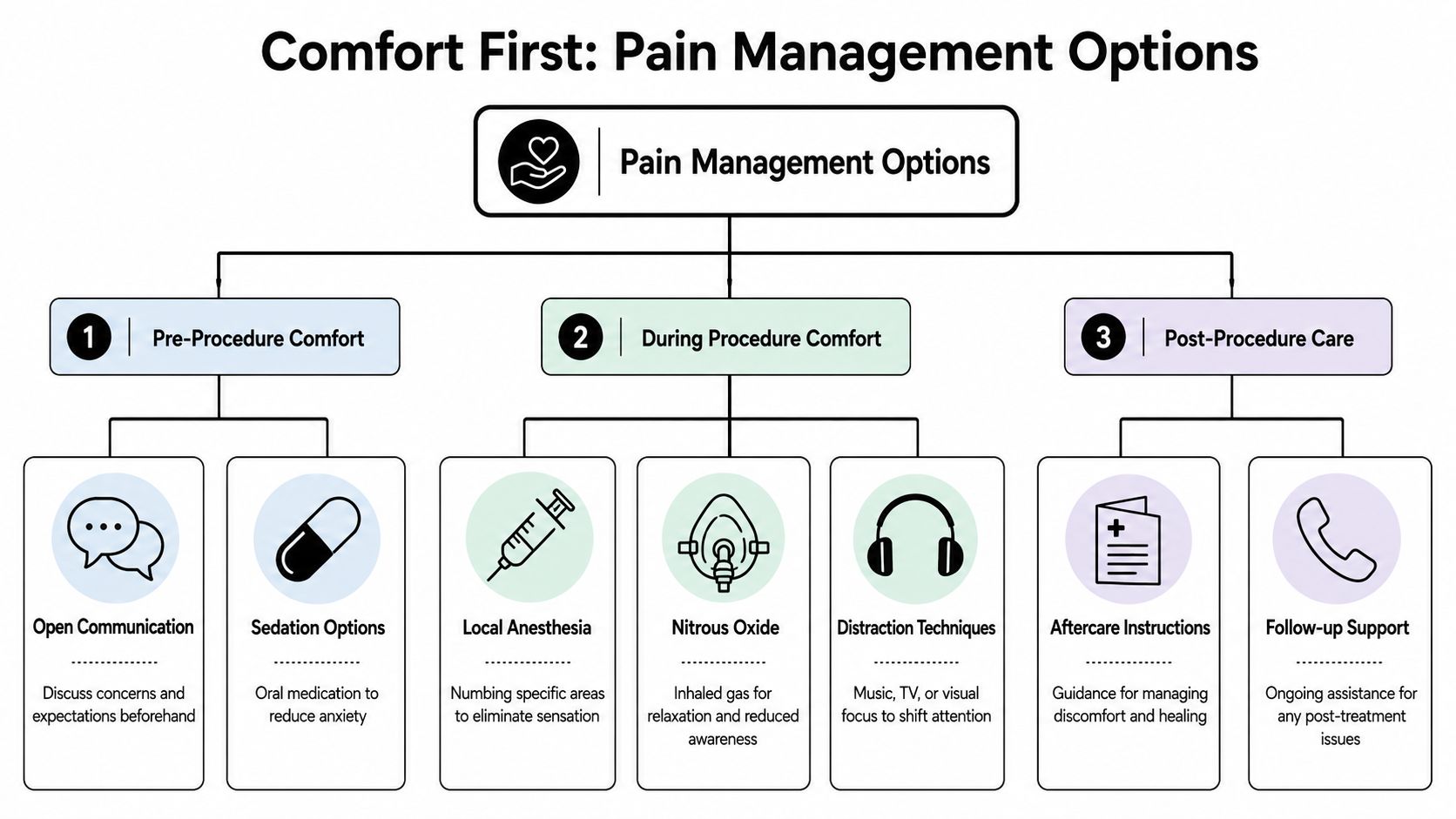
The best comfort plan depends on what kind of cleaning you need, where you're sensitive, and whether your main issue is pain, anxiety, or both. One patient needs a little desensitizing help. Another needs local anesthetic. Another does fine physically but needs support to stay calm in the chair.
Start with the least intervention that solves the problem
For mild sensitivity during a routine cleaning, simple measures often work well:
- Desensitizing toothpaste can reduce the sting from cold air and water if you've been using it consistently
- Topical numbing gel helps when one area of gum tissue is especially tender
- Slower technique and more suction pauses matter more than many patients realize
These approaches are useful when the issue is localized sensitivity, not deep infection.
When local anesthesia makes the biggest difference
Deep cleaning is where numbness often changes the whole experience. In periodontal treatment, the instruments work below the gumline, where inflamed tissues are more reactive. A review discussed in this explanation of deep cleaning comfort techniques notes that local anesthesia is highly effective during deep cleaning, 85-90% of sensations patients report are pressure and vibration rather than sharp pain, and pre-operative ibuprofen can cut sensitivity by 40%.
That matches what patients often describe once they're properly numb. They don't say, “I felt pain the whole time.” They say, “I felt pushing, water, and vibration.”
A simple decision framework
Use this kind of comfort ladder when deciding what to ask for:
Mild sensitivity, low anxiety
Start with desensitizing toothpaste, topical gel, and clear communication.Localized tenderness or a deeper cleaning area Ask about local anesthetic. It targets the area that needs numbing.
Strong gag reflex or significant nervousness
Nitrous oxide can help you stay relaxed while still remaining awake and responsive.High anxiety, long visits, or multiple areas of treatment
Sedation may be the better fit. For patients who want to understand those options in more detail, this overview of sedation dentistry and comfort during dental procedures in Katy explains when each level is typically used. Grand Parkway Smiles also provides options such as nitrous oxide and IV sedation for patients who need more support during treatment.
Clinical reality: The wrong comfort option is usually too little support for the procedure, not too much communication about what you need.
Tips for Anxious Patients and Children
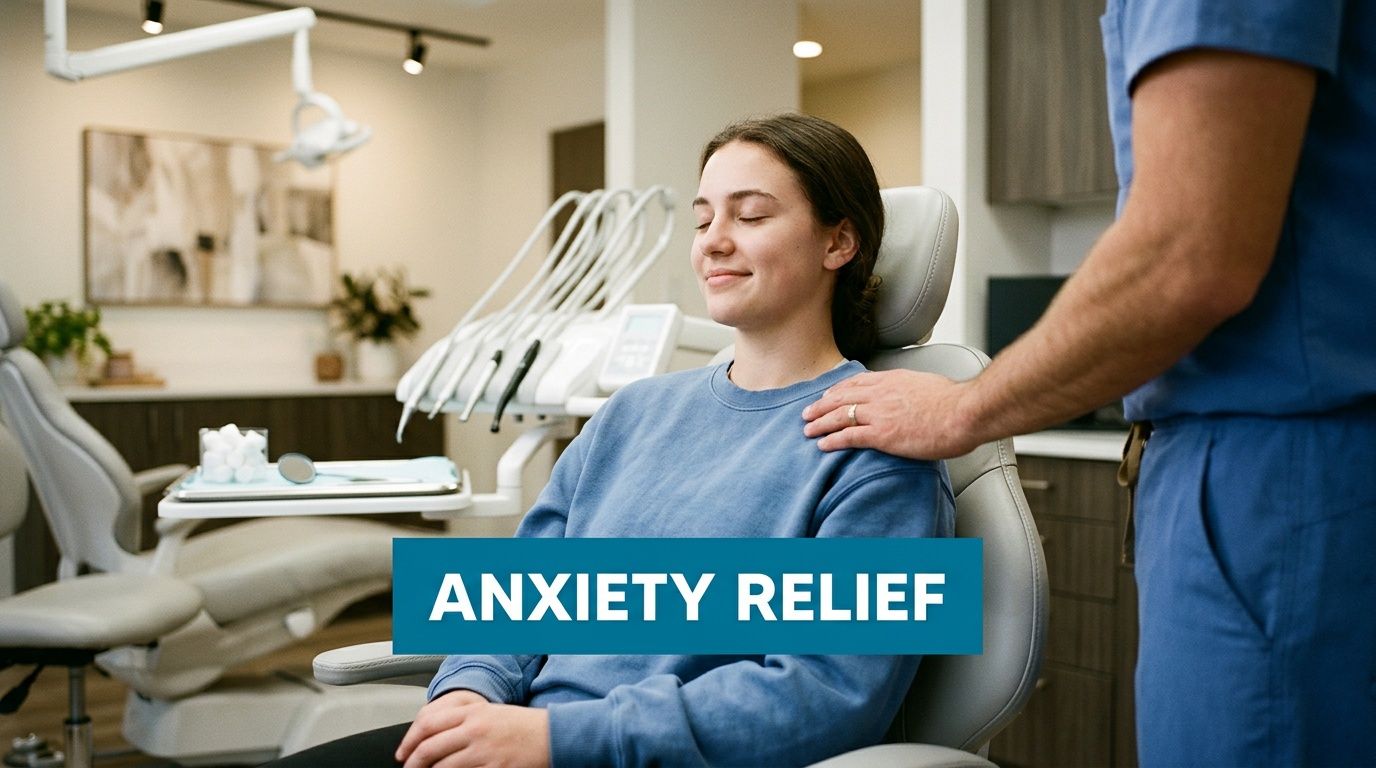
Pain and anxiety aren't the same thing, but they feed each other. A patient who expects pain notices every sound and movement more intensely. A child who sees a parent tense up often does the same.
What helps adults feel more in control
The most effective strategy is simple: agree on a plan before instruments go in your mouth. Tell the team if your lower front teeth are sensitive, if the sound of ultrasonic cleaning bothers you, or if you need breaks.
A few practical habits help:
- Use a stop signal such as raising one hand
- Wear headphones if sound makes you tense
- Breathe on purpose through the nose in slow, steady cycles
- Book earlier in the day if waiting increases anxiety
What usually makes anxiety worse
Some patients try to distract themselves by saying nothing and hoping the visit ends quickly. That often leads to more tension, not less. Others arrive ashamed that it's been a while since their last cleaning and avoid asking for numbing or pauses because they think they “deserve” discomfort. They don't.
The easiest cleaning is often the one where the patient speaks up early, not the one where they try to be stoic.
For children, predictability matters
Children usually do better when adults use calm, concrete language. “They're going to count and brush your teeth” lands better than dramatic warnings about sharp tools. Let the dental team lead the tone in the room.
For parents, the goal isn't to promise that a child will feel nothing. The goal is to help the child learn that dental visits are safe, manageable, and part of keeping teeth healthy and looking good as they grow.
Aftercare and Your Next Steps to a Healthier Smile
After a routine cleaning, you can typically go right back to normal life. If you notice mild tenderness or sensitivity, it usually shows up with cold drinks, brushing near the gumline, or flossing that evening.
What helps most after a standard cleaning:
- Brush gently with a soft-bristled toothbrush that night
- Avoid very cold foods if your teeth feel reactive
- Keep flossing carefully instead of skipping it
- Use sensitivity toothpaste consistently rather than once
According to this review of post-cleaning sensitivity care and comfort options, nitrous oxide or IV sedation can achieve 95% comfort scores for anxious patients in internal audits at practices like Grand Parkway Smiles, and sensitivity toothpaste containing 5% potassium nitrate can help block nerve signals within 24-48 hours after a routine cleaning.
If you had a deep cleaning, expect more tenderness than a standard visit. Softer foods, gentle brushing, and following the exact aftercare instructions matter. If your stress level tends to amplify physical discomfort, some patients also benefit from calming audio before and after the appointment. Resources like Still Meditation's approach to therapeutic sound can be useful for creating a more relaxed routine around dental care.
Call the office if pain feels severe, keeps worsening, or doesn't follow the expected recovery pattern you were given. A brief follow-up is better than guessing.
The long-term takeaway is simple. Cleanings protect more than comfort on appointment day. They support gum health, help maintain a cleaner-looking smile, and reduce the chance that small problems turn into bigger, more expensive ones later.
If you're in Katy or the greater Houston area and want a cleaning planned around your sensitivity level, anxiety level, and actual oral health needs, Grand Parkway Smiles offers preventive care, periodontal treatment, and sedation options in one setting so you can get the right visit, not a one-size-fits-all version of one.