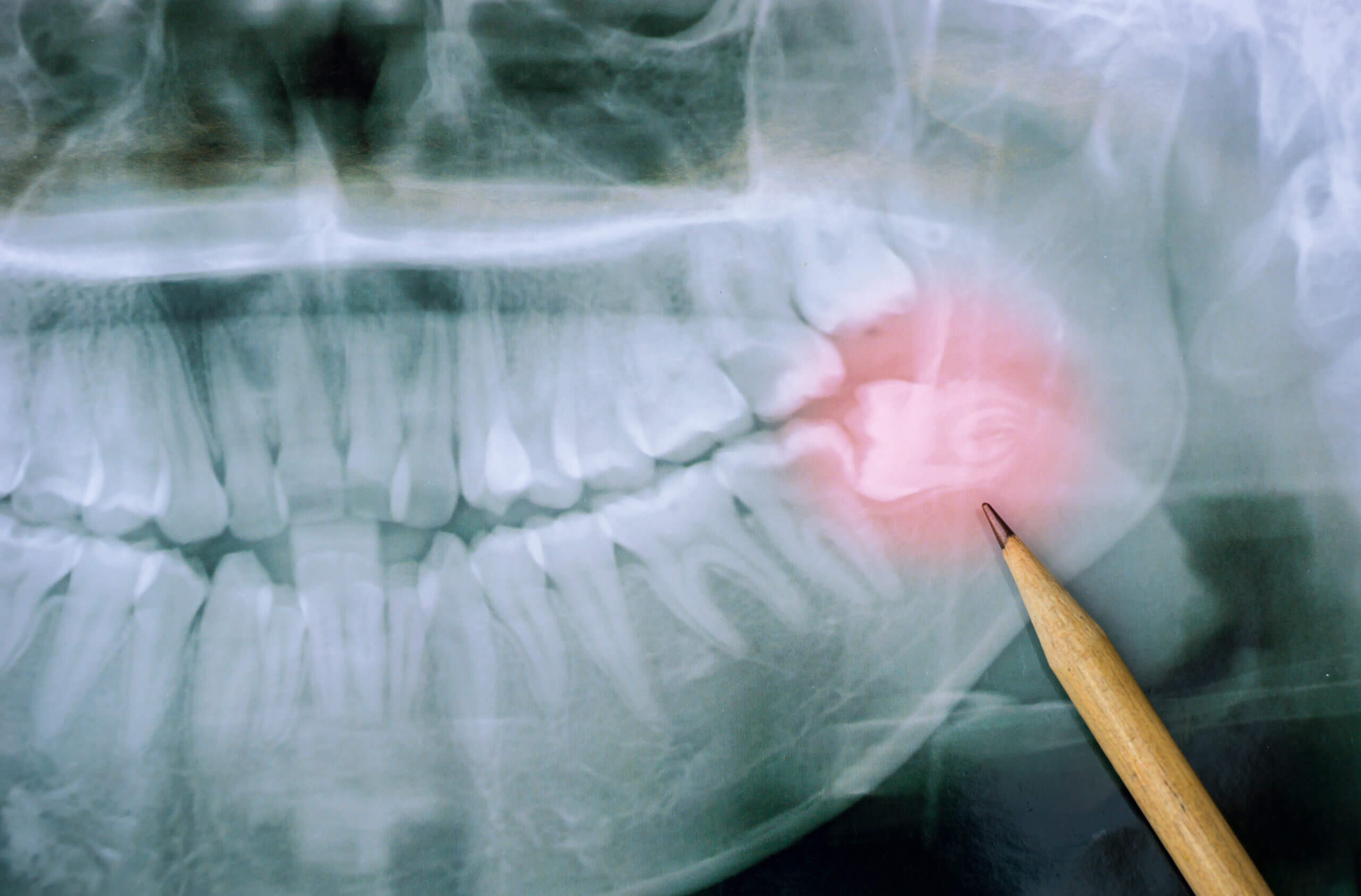
Pain Free Wisdom Teeth Removal
Sometimes wisdom teeth come in exactly as they should, upright and in exactly the right position. Unfortunately, that is the exception and not the rule.
Most wisdom teeth come in sideways, crowd the other permanent teeth or have other negative effects. If wisdom teeth don’t come in correctly, they will most likely have to be removed. For many, many years, the manual extraction of wisdom teeth was to simply inject a local anesthetic in the area around the tooth in order to numb the gums and the nerves that would be disturbed by the extraction. If the patient is awake, and only has local area anesthesia, the patient may not feel pain at that moment, but will certainly feel the force of the extraction, causing many patients to become very anxious and stressed. Sometimes the wisdom tooth to be extracted will fracture, causing the dentist to have to probe deeply to extract the tooth.
Further, after the tooth is extracted, and the local anesthetic has worn off, the patients most often feel considerable pain, which can cause the patient to miss work or school for one or two days.
Some dentists go through extensive training to become licensed to administer IV (intra venous) sedation for more difficult or more complex cases. IV sedation, which relaxes the patient and sometimes causes them to fall asleep. Sedation is sometimes called monitored anesthesia care, conscious sedation, or twilight sedation. Physicians and dentists typically use IV sedation when an injection of local anesthetic is considered not to be adequate. When wisdom tooth extraction is necessary, dentists who have been trained in IV sedation will administer IV sedation, combined with analgesics to provide a relatively pain free experience. An analgesic is administered to provide pain relief. The combination of the two will make an otherwise very painful experience quite comfortable for the patient
The Sedation Process
In contrast with general anesthesia, sedation will not cause you to become unconscious. Sedation and analgesics are administered through an IV placed in a vein. The level of sedation will vary depending on the procedure and the complexity of your situation. Minimal sedation will make you feel drowsy, but you will still be able to talk. moderate sedation will create a situation where the procedure can be completed but you will not likely remember the procedure.
Sedation may be light or moderate. Sometimes you will be given oxygen during the sedation process. Either light or moderate sedation may have the effect of slowing down your breathing. If an analgesic is used to reduce pain, both during the procedure and in recovery, it will probably result in some drowsiness. But, even if the procedure requires moderate sedation, you won’t become unconscious, like in general anesthesia.
The Recovery Process
Once the medications are suspended during the IV sedation process and the procedure is complete, most patients will wake up quickly, and experience little or no side effects. Recovery is generally much faster than general anesthesia and you can leave the dentist’s office fairly quickly. It is required that you have someone to be available to drive you to the dentist’s office, and wait in the office during the procedure, in order drive you home when the procedure is finished.
Possible Side Effects
Many patients report little if any side effects. The worst you would experience would probably be a slight headache, a bit of nausea and some drowsiness; like what you experience after a long night’s sleep where you slept “hard,” and it takes you a while to fully wake up.
Call today 832-222-0016 and speak with the experts in Wisdom Teeth Removal in Katy Tx.