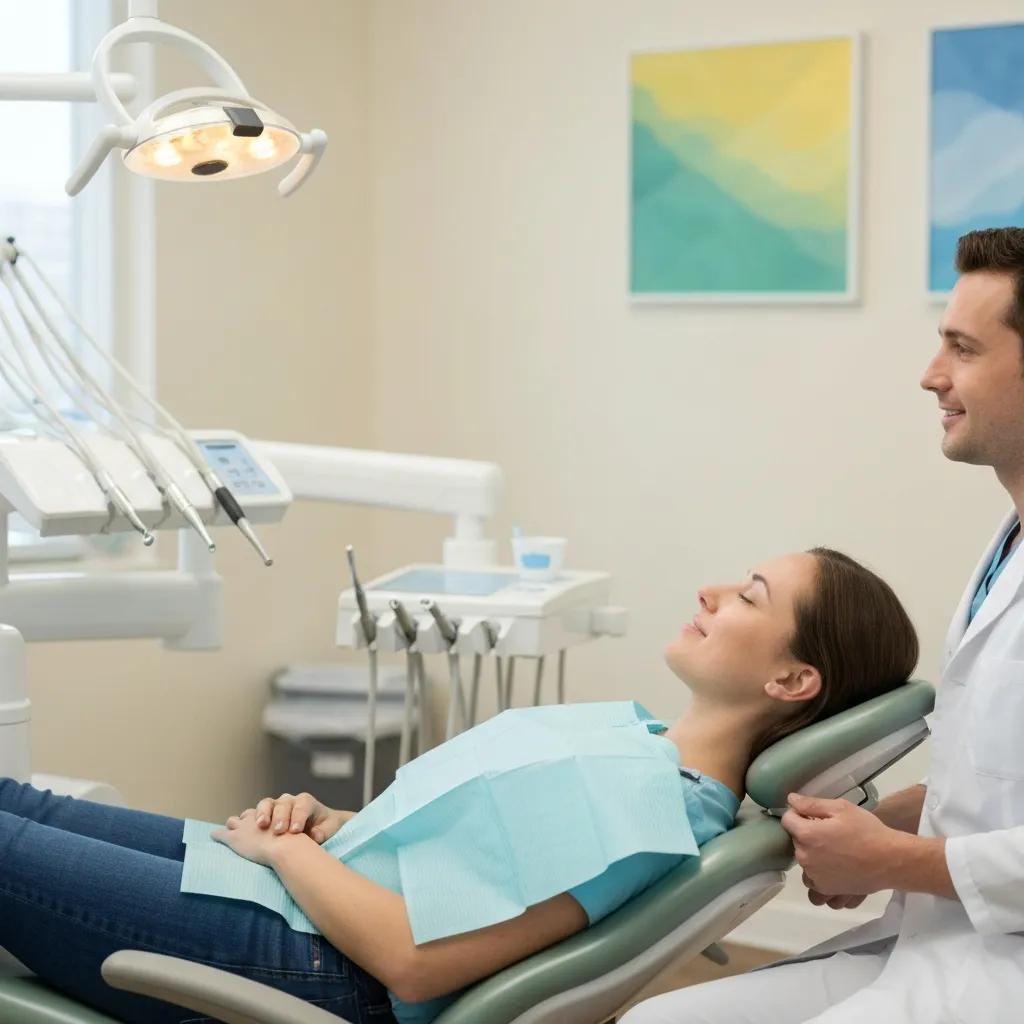
Overcome Dental Anxiety with Sedation Dentistry in Katy, TX
Sedation Dentistry in Katy — Gentle, Comfortable Care When Dental Anxiety Gets in the Way
Feeling nervous about the dentist shouldn’t keep you from getting the care you need. Sedation dentistry offers safe, reliable ways to ease fear, control pain, and help you finish treatments with dignity and comfort. This guide breaks down what sedation is, how it eases anxiety and discomfort, and which options are offered in Katy so you can pick the right path for your dental health. You’ll find clear comparisons of IV sedation, oral conscious sedation, nitrous oxide, and general anesthesia, plus who benefits from each, and what to expect before, during, and after your visit. We include practical checklists, side-by-side comparisons, and behavior tips to help you arrive prepared and confident. Finally, we cover costs, insurance notes — including Medicaid anesthesia where available — and typical recovery timelines so you can plan transportation and aftercare. Everything here is written in plain language and laid out step-by-step so people in Katy, TX, can make informed decisions about sedation dentistry.
What Is Sedation Dentistry and How Does It Help with Dental Anxiety?
Sedation dentistry uses medicines and techniques to calm anxious patients, lessen pain, and often reduce or erase memory of the procedure so dental care can move forward safely and more comfortably. By affecting the central nervous system, sedation quiets panic responses and blunts sensory signals, helping people tolerate longer or more invasive treatment with far less stress. Levels run from light relaxation to deeper sedation that produces strong calm and partial or complete amnesia for the visit. That reduced fear makes future appointments easier and supports better long-term oral health. Knowing how sedation works explains why we recommend it for patients with severe anxiety, strong gag reflexes, or when multiple procedures need to be done in one visit. Below is an easy summary of common sedation types and how they help manage dental fear.
What Are the Different Types of Sedation Dentistry Available in Katy?
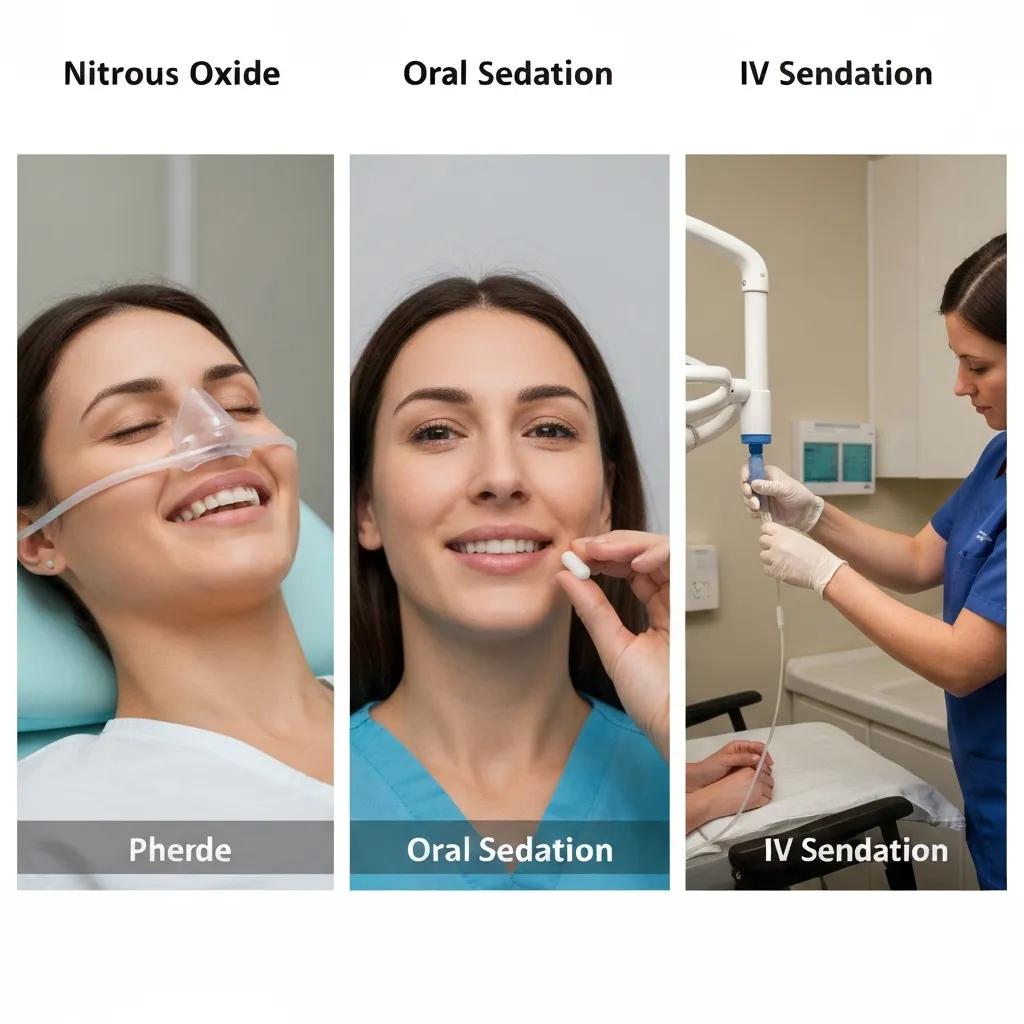
In everyday dental care you’ll hear about several sedation choices: nitrous oxide (laughing gas), oral conscious sedation (usually a benzodiazepine), IV sedation (medication given through an IV), and general anesthesia for the most complex cases. Each option differs in how quickly it starts, how deep the sedation is, what monitoring is needed, and how long recovery takes. For example, nitrous oxide works and wears off quickly, oral sedatives start in about an hour and last several hours, and IV sedation gives a deeper, more controllable effect with close monitoring. The right choice depends on the procedure, your medical history, and the level of anxiety. Understanding these differences helps you and your clinician match the method to your goals: comfort, safety, and efficient completion of treatment.
How Common Is Dental Anxiety and Why Does It Matter?
Dental anxiety is very common and a major reason people skip preventive care. When fear keeps someone away, small problems can grow into larger, more painful issues — more complex procedures, higher costs, and more anxiety, which keeps the cycle going. Treating dental anxiety helps people keep regular visits, lowers emergency care, and protects long-term oral and overall health. That’s why a stepwise approach — blending behavioral strategies with appropriate sedation when needed — can restore access to routine and restorative dentistry for many patients.
Grand Parkway Smiles offers sedation options designed to meet these needs and help nervous patients get effective treatment. As a full-service dental practice in Katy, Grand Parkway Smiles provides IV sedation, oral sedation, and nitrous oxide so you can receive care in a calm, well-monitored setting. The team focuses on patient comfort and a pain-free experience while coordinating monitoring and post-procedure logistics. For urgent situations, the clinic provides same-day emergency visits and can arrange anesthesia for Medicaid-eligible patients when clinically appropriate — helping remove common financial or access barriers to timely care.
How Does Grand Parkway Smiles Provide a Pain-Free and Comfortable Dental Experience?
At Grand Parkway Smiles your comfort and safety guide every sedation choice. We pair multiple sedation options with experienced clinicians and supportive staff to create a calm, pain-free visit. Our practice emphasizes careful monitoring during treatment to keep vitals stable and respond quickly to any changes. We rely on a team of specialists and clear safety protocols so patients can feel confident in the clinical oversight in place. We also offer same-day emergency visits so nervous patients who need immediate relief can get help quickly. Together, these elements treat dental anxiety as a manageable condition with practical, measurable solutions.
Who Are the Sedation Specialists at Grand Parkway Smiles?
Sedation care is a team effort: dentists trained in sedation techniques, certified support staff, and clear medical screening and monitoring protocols. At Grand Parkway Smiles our specialists work together to review your medical history, evaluate sedation candidacy, and plan the safest approach. That includes pre-procedure screening, continuous monitoring during treatment with standard equipment, and detailed post-procedure instructions for a safe recovery. We encourage patients to ask about monitoring and emergency readiness during the consultation — open talk builds trust before you ever sit in the chair.
What Emergency Sedation Services Are Available for Nervous Patients?
If pain or anxiety spikes during a dental emergency, same-day emergency visits offer a fast route to pain control and stabilization. Emergency sedation can make urgent extractions or restorative work possible when anxiety otherwise prevents care. At Grand Parkway Smiles we follow expedited assessment and monitoring steps so we can act quickly while keeping safety at the forefront, and plan follow-up care once the immediate need is addressed.
What Are the Benefits and Uses of IV Sedation Dentistry in Katy?
IV sedation delivers sedative medication straight into the bloodstream, offering fast, controllable relaxation, reduced awareness, and often partial or full amnesia for the procedure. That lets dental teams complete multiple or complex treatments in a single visit while you remain calm and comfortable. IV sedation is particularly helpful for long restorations, multiple extractions, or patients with severe dental fear. Safety depends on continuous monitoring — pulse oximetry, blood pressure checks, and trained staff ready to manage airway and circulation. For many people, IV sedation turns an otherwise intolerable appointment into one manageable, efficient session.
The following table compares IV sedation features so you know what to expect for onset, depth, monitoring, candidacy, and recovery.
How Does IV Sedation Work and What Can You Expect?
Before IV sedation we review your medical history, explain fasting instructions, and discuss risks and benefits so expectations are clear. During induction we place an IV and titrate medication until the desired level of relaxation is reached while continuously monitoring vital signs. Many patients experience deep relaxation and little or no memory of the procedure; IV sedatives act on central nervous system receptors to reduce anxiety and blunt pain perception. Recovery takes place in a monitored area until consciousness and vitals are stable. You’ll need arranged transportation and should avoid driving or making important decisions for the rest of the day.
Who Is a Good Candidate for IV Sedation?
IV sedation is often a good fit for people whose dental anxiety prevents care, those needing extensive work in one visit, and patients with special-needs conditions that limit cooperation. Medical factors — including heart and lung health and medication interactions — influence candidacy, so we ask for a detailed history and may request medical clearance if needed. We assess contraindications and tailor the plan to balance sedation depth with monitoring and recovery needs. The final decision is made by the sedation-trained dental team after a consultation.
How Can Oral Sedation Help Patients Overcome Dental Anxiety?
Oral sedation uses a prescribed pill taken before your appointment to create a calming effect that helps you tolerate dental care. It’s usually a single pre-visit dose that produces moderate sedation for patients who don’t need IV access or when nitrous oxide alone isn’t enough. Oral meds work throughout the appointment and for several hours afterward, often reducing anxiety and sometimes limiting memory of the visit. Because effects last, you’ll need transportation and someone to stay with you until alertness returns.
What Medications Are Used for Oral Sedation?
Oral conscious sedation most often involves benzodiazepines, which act on GABA receptors to reduce anxiety and produce sedation. Dentists choose the specific drug and dose based on your medical history and the planned procedure, mindful of interactions and health conditions. Onset is typically 30–60 minutes and effects can last several hours — another reason a responsible adult must escort you home. Full disclosure of medications, alcohol use, and medical conditions helps us pick the safest option.
How Should Patients Prepare for Oral Sedation?
Preparing properly keeps oral sedation safe and effective. Follow any fasting instructions, tell us about all medications and supplements, arrange a responsible adult to bring you home and stay with you as needed, and plan to rest for the rest of the day. Avoid alcohol and over-the-counter sleep aids before the appointment and bring a current list of medical diagnoses and prescriptions for the team to review. Let us know about any past reactions to sedatives or anesthesia so we can tailor dosing.
- Pre-visit checklist for oral sedation:
Follow any fasting or food restrictions the clinic provides.
Bring an up-to-date medication and medical history list to your appointment.
Arrange for a responsible adult to escort you home and remain with you as needed.
Following these steps streamlines your visit and supports a safe recovery. Talking through expectations with the dental team before your appointment also lowers anxiety and builds confidence.
What Are the Advantages of Nitrous Oxide for Dental Anxiety?
Nitrous oxide, or laughing gas, is a fast-acting inhaled sedative that reduces anxiety, produces mild euphoria, and wears off quickly once the gas stops. Because clinicians can titrate it moment to moment and reverse it almost immediately, nitrous oxide is ideal for kids, people with mild to moderate anxiety, and short procedures where you want to return to normal activities the same day. Its safety profile is strong with proper screening, and monitoring usually involves observing responsiveness and oxygenation while delivering gas through a nasal mask.
The following table compares nitrous oxide with oral and IV sedation across common decision factors.
How Is Nitrous Oxide Administered and Who Can Benefit?
Nitrous oxide is given through a small nasal mask that mixes nitrous with oxygen and lets the clinician quickly adjust the level based on your response. Effects begin within minutes. Typical beneficiaries include children, adults with mild-to-moderate anxiety, and patients needing short invasive steps where quick recovery is important. Because the gas is inhaled and eliminated rapidly, you can usually resume normal activities soon after, unless other medications or conditions advise extra caution. Discuss respiratory conditions or pregnancy with your clinician to confirm suitability.
Nitrous oxide combines rapid onset, easy titration, and fast recovery — which is why many patients and clinicians prefer it for suitable situations.
Nitrous Oxide Sedation for Dental Anxiety: Anxiolysis, Analgesia, and Amnesia
Nitrous oxide inhalation sedation (NOIS) remains a cornerstone for easing dental anxiety. Its benefits include anxiolysis, mild pain relief, and limited amnesia, and it can raise the pain threshold to enhance local anesthesia’s effect.
Nitrous oxide inhalation sedation rapid analgesia in dentistry: An overview of technique, objectives, indications, advantages, monitoring, and safety profile, V Khinda, 2023
Is Nitrous Oxide Safe for All Patients?
Nitrous oxide is safe for many people, but it isn’t right for everyone. Contraindications and precautions include certain respiratory problems, vitamin B12 deficiency, and pregnancy — all of which call for clinician screening. Standard safety measures include monitoring and the ability to administer supplemental oxygen. Be sure to tell your dental team your full medical history and any recent illnesses. If nitrous oxide isn’t suitable, we’ll review other behavioral and pharmacologic options to keep you comfortable and safe.
How Can You Conquer Dental Anxiety Beyond Sedation?
Sedation is one helpful tool, but non-medication strategies focus on the psychological roots of dental fear and often work best when combined with sedation for a gradual rebuild of trust. Common approaches include gradual exposure to the dental setting, relaxation and breathing exercises, cognitive techniques from CBT, and practical communication steps like agreeing on a stop signal. These strategies give you back a sense of control and can reduce how much sedation you need over time. A long-term plan that mixes behavioral practice with targeted sedation when necessary improves outcomes and lowers reliance on deeper anesthesia for routine care.
What Are Common Causes of Dental Anxiety and Fear?
Dental anxiety often stems from painful past experiences, fear of losing control, gag reflex worries, embarrassment about dental problems, or broader medical anxiety. Sensory triggers — noise, smell, close proximity — can activate fight-or-flight responses and make cooperation difficult. Avoiding care then reinforces fear and can lead to worsening oral health, more shame, and a higher chance of invasive treatments later. Identifying your specific triggers helps the dental team tailor interventions like sedation, desensitization, or a referral to behavioral therapy.
What Behavioral Techniques and Communication Tips Help Manage Anxiety?
Simple, clinic-ready techniques can make visits much easier: slow diaphragmatic breathing to reduce stress, progressive muscle relaxation to ease tension, guided imagery to shift focus, and distraction options like music or noise-cancelling headphones. Communication tools like a stop signal, short procedure segments with breaks, and rehearsing the appointment beforehand also reduce uncertainty. Combining these steps with a clear pre-visit plan — arrival routines, written instructions, and a calm support person — creates predictable structure that lowers anxiety. Repeated positive visits and honest, transparent dialogue with your dental team build confidence over time.
Here are examples of how patients have moved from fearful to comfortable by combining strategies:
- Example: A patient with a strong gag reflex started with short acclimation visits using breathing work and nitrous oxide; after three visits they tolerated longer procedures and completed restorative care with minimal sedation.
- Example: An anxious adult used CBT-style preparation and a single oral sedation dose for an initial long procedure, then tapered pharmacologic support for follow-ups while practicing relaxation exercises.
- Example: A parent and child used behavioral rehearsal, small rewards, and nitrous oxide for a first filling; the child’s trust grew and later visits needed only minimal sedation.
What Should You Know About Sedation Dentistry Costs, Insurance, and Recovery?
Costs and insurance coverage for sedation vary by the sedation type, procedure complexity, and whether extra monitoring or an anesthesiologist is required. IV sedation usually costs more because of medication and monitoring; oral sedation tends to be less expensive but carries indirect costs like needing transportation and longer recovery. Insurance plans differ widely — some medical or specific plans may cover anesthesia when it’s medically necessary. Before you schedule, ask for an itemized estimate and any authorization steps so there are no surprises and safe logistics can be arranged.
The table below highlights factors that affect cost, typical insurance considerations, and recovery expectations to help with planning.
Does Grand Parkway Smiles Accept Medicaid and Other Insurance for Sedation?
Yes. Grand Parkway Smiles accepts anesthesia for Medicaid patients when clinically appropriate. We recommend contacting the office to confirm plan details and any authorization steps. Because insurance rules vary, bring your insurance information to the consultation so our staff can verify coverage and explain any expected out-of-pocket costs. For private plans, ask about billing options and whether preauthorization is advised. Clear communication with our team helps set financial expectations and ensures necessary approvals are in place before treatment.
What Is the Recovery Process After Sedation Dentistry?

Recovery time depends on the sedation method: nitrous oxide usually allows near-immediate recovery after brief observation, oral sedation causes several hours of reduced alertness and needs supervised transportation, and IV sedation typically requires monitored recovery until thinking and motor skills return to safe levels. Common side effects are drowsiness, mild nausea, dry mouth, or temporary coordination issues. After oral or IV sedation, avoid driving, operating machinery, or making important decisions for the rest of the day. Clinics provide written aftercare instructions, emergency contacts, and warning signs like breathing problems or prolonged disorientation. Arranging an escort and following post-procedure guidance are essential safety steps for all sedated patients.
- Key post-sedation safety steps:
Arrange for a responsible adult to drive you home and stay with you as recommended.
Rest for the remainder of the day and avoid alcohol or other sedatives unless your clinician tells you otherwise.
Follow written aftercare instructions and call the clinic if you notice anything unusual.
Following these precautions helps ensure a smooth recovery and reduces risk so you can get the full benefit of the care you received.