Having your wisdom teeth removed is a significant step toward safeguarding your long-term dental health and preventing future orthodontic issues that could affect your appearance. This proactive procedure helps prevent crowding, damage to adjacent teeth, and potential infections, ensuring your smile stays straight and healthy. While the procedure itself is designed for maximum comfort, a successful outcome heavily relies on your post-operative care. A smooth recovery is essential for minimizing pain and swelling and, most importantly, for preventing complications that could delay healing and compromise your oral health.
This guide provides a straightforward roadmap with evidence-based, actionable wisdom teeth removal recovery tips to help you navigate the healing process with confidence. Following these detailed instructions ensures the surgical sites are protected, allowing your jaw to heal correctly and preserving the health of your surrounding teeth and gums. By focusing on these key areas, you support your body’s natural healing mechanisms, ensuring the procedure’s benefits—a healthier oral environment and a more stable smile—are fully realized. This proactive approach will help you get back to your daily life quickly, ensuring your smile remains healthy for years to come.
1. Apply Ice Packs in the First 24-48 Hours
One of the most effective wisdom teeth removal recovery tips for both comfort and appearance is applying cold therapy immediately. This simple action is your first line of defense against the swelling and bruising that follow oral surgery. The cold temperature constricts blood vessels, limiting fluid buildup in the surrounding tissues and significantly numbing the area. This not only provides natural pain relief but also helps maintain your normal facial contours by minimizing puffiness.
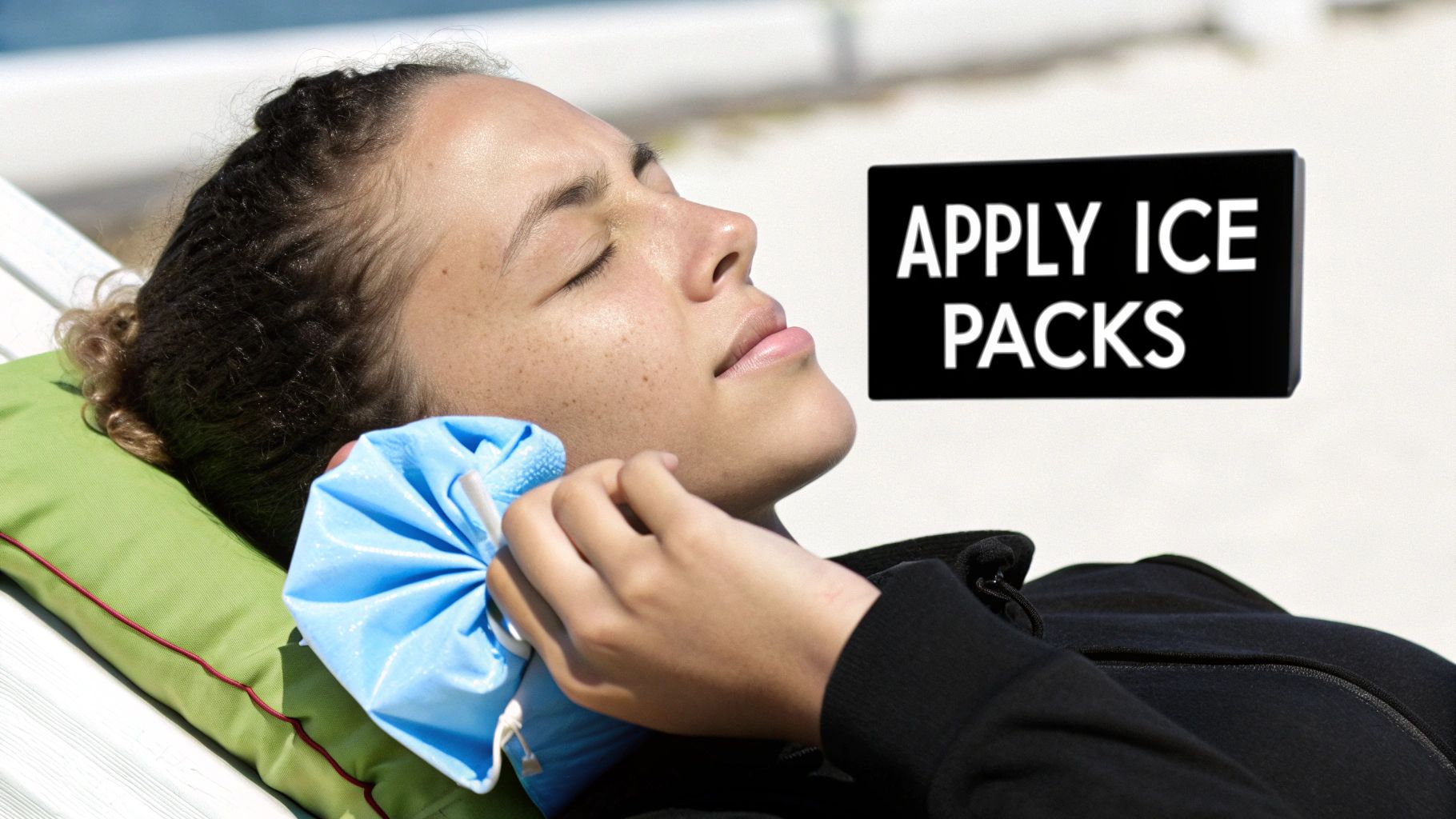
The first 24 to 48 hours are the most critical, as swelling tends to peak around the third day. By diligently applying ice packs, you can dramatically reduce the extent of swelling, making your recovery more comfortable. Less swelling not only improves your physical comfort and appearance but also supports faster, healthier healing at the extraction sites by reducing inflammation that can stress the delicate tissues.
How to Apply Ice Correctly
For maximum benefit and safety, follow a specific routine. Consistent application is key to managing post-operative discomfort and promoting better healing.
- Timing is Everything: Apply the ice pack to your cheek externally for 15-20 minutes on, followed by a 15-20 minute break. This cycle prevents tissue damage while providing therapeutic benefits.
- Create a Barrier: Never apply ice directly to your skin. Always wrap the ice pack in a thin, soft towel.
- Stay Consistent: Set a timer to remind you when to start and stop. Consistency during the first 48 hours is vital for controlling swelling and supporting your dental health.
- Prepare in Advance: Keep multiple gel packs in your freezer. This allows you to rotate them, ensuring you always have a fully cold pack ready.
2. Maintain Proper Head Elevation and Rest
An often-overlooked yet crucial wisdom teeth removal recovery tip is maintaining proper head elevation. Keeping your head propped up above your heart leverages gravity to prevent blood and fluid from pooling in your facial tissues. This simple act is a powerful tool against excessive swelling and throbbing pain, directly benefiting your comfort and post-surgery appearance.
Proper elevation not only helps manage swelling for a better facial appearance but also reduces pressure on the surgical sites. This promotes a stable environment for the protective blood clots to form and remain intact—a critical step for preventing painful dry socket and ensuring a smooth healing process. A healthy healing site is the foundation for long-term dental wellness after the procedure.
How to Keep Your Head Elevated Correctly
Achieving and maintaining the right angle is key to maximizing the dental health benefits of this technique and supporting your body’s natural healing.
- Build a Pillow Fort: While sleeping or resting, use three to four pillows to prop your head and upper back up to a roughly 45-degree angle. This is ideal for the first 3-5 nights.
- Invest in a Wedge Pillow: A wedge pillow provides stable, ergonomic support throughout the night without the risk of pillows shifting.
- Recline During the Day: When resting during the day, opt for a recliner instead of lying flat on a sofa to effortlessly maintain elevation.
- Avoid Lying Flat: Make a conscious effort to avoid lying completely flat for at least the first three to five days. This is the most critical window for controlling swelling and promoting optimal healing. To understand more about what to expect day-by-day, you can learn about the oral surgery healing timeline on dentistkatytx.com.
3. Follow a Soft Food and Liquid Diet
Adhering to a soft food diet is a crucial wisdom teeth removal recovery tip that directly protects your healing extraction sites. The delicate blood clots covering the sockets are essential for proper healing and preventing a dry socket. Eating hard, crunchy, or chewy foods can dislodge these clots, leading to severe pain and a setback in your recovery, jeopardizing the health of the underlying bone and tissue.
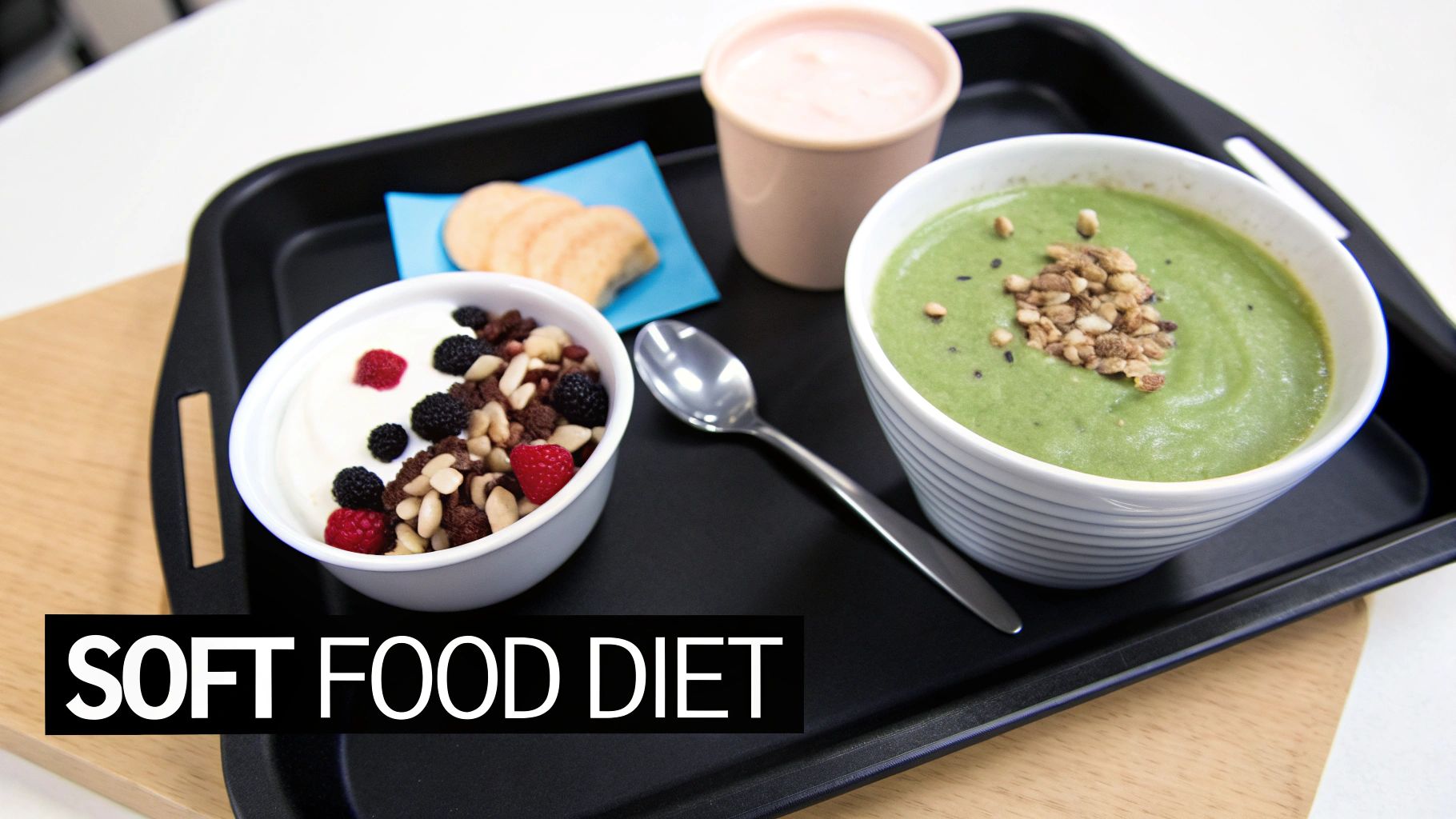
Starting with liquids and gradually progressing to soft foods over the first 7 to 10 days minimizes stress on your jaw and surgical sites. This dietary caution prevents physical disruption and irritation from food particles, reducing the risk of inflammation and infection. Proper nutrition is vital for healing, and a well-planned soft food diet ensures your body gets the fuel it needs without compromising the long-term health benefits of the procedure.
How to Implement a Soft Food Diet
Planning your meals can make sticking to this diet much easier. The key is to have nutritious, easy-to-eat options readily available to support your dental health.
- Initial 24-48 Hours: Stick strictly to liquids and very smooth foods. Think broths, smooth soups, sugar-free yogurt, and smoothies (eaten with a spoon, never a straw).
- Days 3-7: You can start incorporating slightly more substantial soft foods like mashed potatoes, scrambled eggs, oatmeal, and soft-cooked fish.
- Prepare in Advance: Before your surgery, stock your kitchen with approved items. During your recovery, having the best prepared meal delivery services can ease the burden of meal prep.
- Stay Hydrated: Drink plenty of water. Proper hydration is essential for cellular repair and helps maintain a clean oral environment for optimal healing.
4. Take Prescribed Pain Medications and Antibiotics as Directed
Diligently following your surgeon’s medication instructions is a cornerstone of a smooth recovery and a vital step in protecting your dental health. This isn’t just about managing discomfort; it’s about preventing complications like infection that can threaten the healing bone and gums. Pain medications allow you to rest comfortably, promoting healing, while antibiotics protect the vulnerable extraction sites from harmful bacteria.
Managing pain proactively is far more effective than trying to catch up with it. Staying ahead of the pain curve allows your body to focus its energy on healing. Similarly, completing the full course of antibiotics, even if you feel better, is essential to fully eliminate any potential for infection. This disciplined approach is one of the most impactful wisdom teeth removal recovery tips for ensuring the long-term success of the procedure and preserving your oral health.
How to Manage Your Medications Correctly
Proper medication management prevents complications and maximizes comfort, contributing to a healthier and faster recovery.
- Set Reminders: Use your phone’s alarm to stay on schedule. This prevents missed doses, which can lead to breakthrough pain or a lapse in antibiotic protection.
- Take with Food: Always take your pain medication with a small amount of soft food to avoid stomach upset.
- Finish the Full Course: Do not stop taking antibiotics early. Completing the prescription is necessary to prevent bacterial resistance and ensure the infection is fully eradicated, protecting your dental health.
- Avoid Alcohol: Never mix alcohol with pain medications or antibiotics. This can cause dangerous side effects and impair your body’s healing process.
- Plan for Safety: If prescribed opioid pain relievers, do not drive. Arrange for help from family or friends.
5. Manage Swelling with Heat After 48 Hours
After the initial 48-hour window of cold therapy, switching to moist heat is a beneficial wisdom teeth removal recovery tip that actively promotes healing. While cold constricts blood vessels to limit initial swelling, heat does the opposite. It encourages blood vessels to dilate, boosting circulation to the surgical sites. This increased blood flow delivers essential oxygen and nutrients that accelerate tissue repair and regeneration.
This enhanced circulation is crucial for breaking down any residual fluid and bruising, which improves your facial appearance faster. Applying moist heat also helps relax tight jaw muscles, reducing stiffness and improving mobility. This switch from cold to warm supports your body’s natural healing processes, making your recovery smoother and contributing to a healthier outcome for your jaw and surrounding tissues.
How to Apply Heat Correctly
Proper application of heat is key to maximizing its healing benefits without causing irritation. Transitioning around day three or four will support your dental health recovery.
- Timing is Key: Apply a warm, moist compress to your cheek for 15-20 minutes at a time, with a 15-20 minute break in between sessions.
- Use Moist Heat: Damp heat penetrates deeper into the muscle tissue. You can use a dampened washcloth with warm (not hot) water or a microwavable moist heating pad.
- Protect Your Skin: Always wrap your heat source in a thin, dry towel to create a protective barrier.
- Start After 48 Hours: It is critical to wait until at least the third day post-op. Applying heat too early can increase initial inflammation. To learn more about the science, delve into the remarkable benefits of heat therapy for recovery.
6. Perform Gentle Oral Care and Salt Water Rinses
Maintaining oral hygiene after surgery is crucial for preventing infection and ensuring the long-term dental health benefits of the procedure. One of the most important wisdom teeth removal recovery tips is to begin gentle salt water rinses 24 hours after surgery. This simple, natural solution cleans the extraction sites, reduces harmful bacteria, soothes irritated tissues, and promotes faster healing without dislodging the protective blood clot.
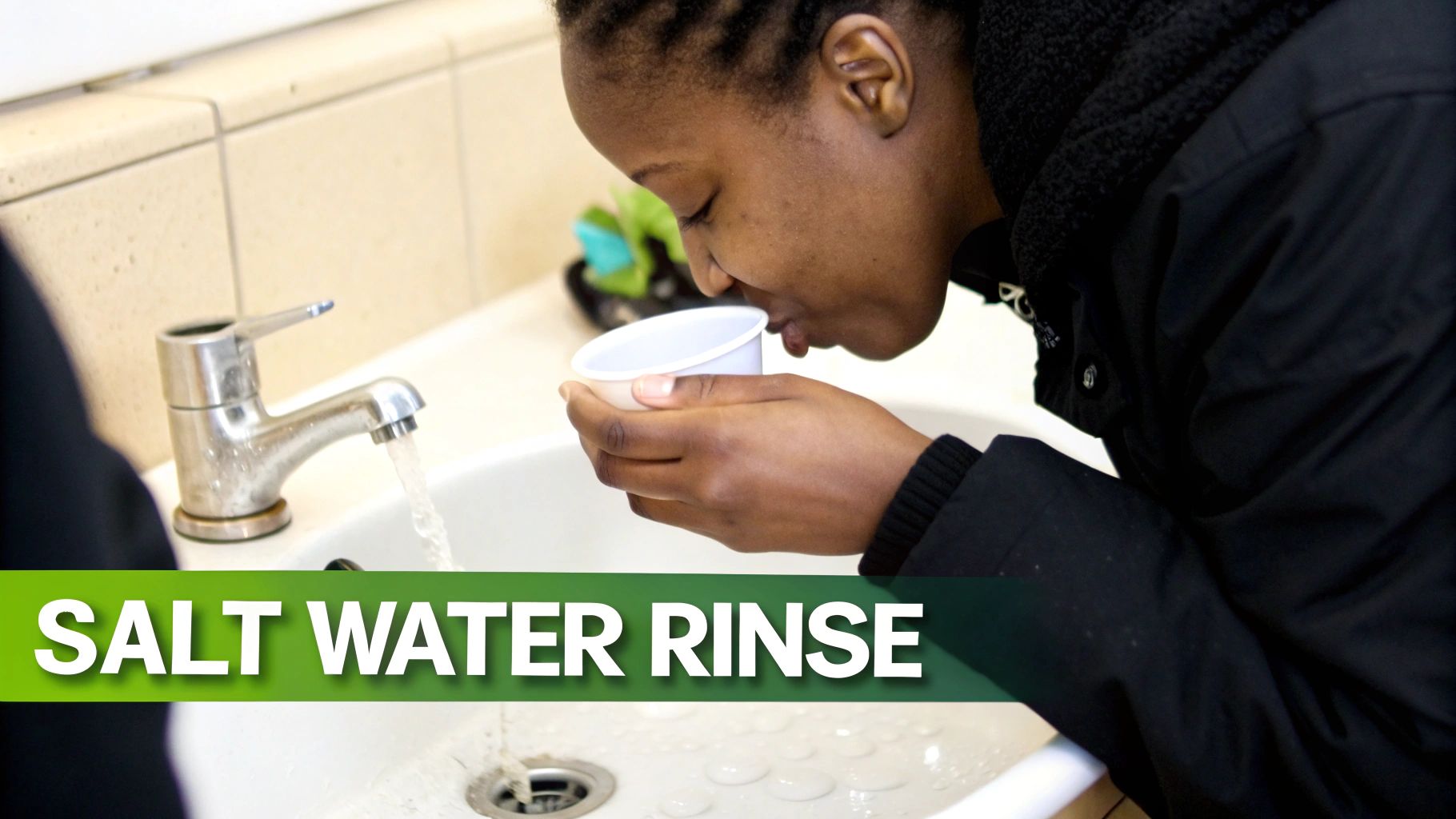
Starting the day after your surgery, these rinses become a cornerstone of your recovery. A clean oral environment minimizes the risk of complications like infections or a painful dry socket. Properly caring for the surgical sites not only enhances your comfort but also contributes directly to the overall success of your procedure, ensuring your dental health is protected as you heal and the surrounding teeth remain strong.
How to Rinse and Brush Correctly
Gentle and careful application is essential to avoid harming the delicate healing areas and to support your dental health.
- Create the Solution: Mix 1/2 teaspoon of salt into an 8-ounce glass of warm water. Stir until the salt is fully dissolved.
- Rinse Gently: After meals and before bed, gently tilt your head from side to side, allowing the solution to flow over the extraction sites. Do not swish, spit, or gargle forcefully. Let the water fall out of your mouth into the sink.
- Brush with Care: You can resume brushing your other teeth the night of the surgery, but be extremely cautious. Use a soft-bristled toothbrush and avoid the extraction sites completely for the first few days.
- Avoid Commercial Mouthwash: Do not use alcohol-based mouthwashes for at least the first week, as they can irritate the healing sockets. For more detailed information, learn about dry socket prevention and care on dentistkatytx.com.
7. Avoid Smoking and Alcohol Consumption
Among the most critical wisdom teeth removal recovery tips is the strict avoidance of smoking and alcohol to protect your dental health. These substances severely compromise the healing process, dramatically increasing your risk of painful complications. Abstaining from them is a non-negotiable step to protect the delicate surgical sites and ensure a smooth recovery, safeguarding the investment you’ve made in your long-term oral wellness.
Smoking reduces vital blood flow, depriving the healing tissues of oxygen and introducing toxins. The physical act of inhaling creates suction that can easily dislodge the protective blood clot, leading to a dry socket, a condition that is intensely painful and delays healing. Similarly, alcohol can thin the blood, increase bleeding risk, and interact negatively with prescribed medications, undermining their effectiveness and your body’s ability to heal.
How to Successfully Abstain
The first week is the most crucial period. Committing to this guideline protects your investment in your oral health and helps you avoid preventable setbacks.
- Plan Ahead: If you are a smoker, consider using a nicotine patch (with your doctor’s approval). Schedule your surgery when social events involving alcohol are less likely.
- Communicate Your Needs: Inform friends and family about your restrictions so they can support you.
- Stay Hydrated and Busy: Drink plenty of water and engage in gentle, distracting activities like reading or watching movies.
- Focus on the Goal: Remind yourself that this short-term sacrifice is essential for long-term healing and the overall health of your smile.
8. Avoid Strenuous Activity and Heavy Lifting for 5-7 Days
Prioritizing rest is one of the most important wisdom teeth removal recovery tips for ensuring the procedure’s success. Engaging in strenuous activity, exercise, or heavy lifting increases your heart rate and blood pressure, which can dislodge the crucial blood clots. Protecting these clots is essential for preventing painful complications like dry socket and allowing the underlying bone and gum tissue to heal properly.
Your body needs to direct its energy toward healing the surgical sites. Physical stress diverts these resources, can prolong swelling, and increases the risk of bleeding. By taking a deliberate break from your fitness routine for at least 5-7 days, you allow your mouth to heal properly. This ensures a complication-free recovery, which is the final step in securing the long-term dental health benefits of having your wisdom teeth removed.
How to Rest and Reintroduce Activity Safely
A gradual return to your normal routine is key to protecting your healing jaw and promoting optimal dental health.
- Plan for Downtime: Schedule your procedure when you can take a few days off from demanding commitments. Use this time for low-key activities.
- Light Movement Only: While complete bed rest isn’t necessary, stick to very light activities. Short, gentle walks promote healthy circulation without elevating your heart rate.
- Listen to Your Body: Pay close attention to any throbbing or increased bleeding. These are signs you are overexerting yourself.
- Gradual Reintroduction: After the initial 5-7 day rest period, slowly reintroduce light exercise. Avoid high-impact activities for at least two weeks, and always get clearance from your dentist before returning to your full fitness regimen.
Wisdom Teeth Recovery: 8-Point Comparison
| Recovery Step | Implementation Complexity | Resource Requirements | Expected Outcomes | Ideal Use Cases | Key Advantages | Main Risks / Precautions |
|---|---|---|---|---|---|---|
| Apply Ice Packs in the First 24–48 Hours | Low — simple schedule (15–20 min on/off) | Gel/ice packs, cloth, freezer, timer | Reduces swelling (≈30–50%), bruising and pain | Immediate post-op, first 48 hours when swelling peaks | Cost-effective, non‑invasive, immediate effect | Risk of ice burn if applied too long; limited benefit after 48 h |
| Maintain Proper Head Elevation and Rest | Low–Medium — habit change and positioning | Pillows or wedge, recliner | Decreases facial blood pooling and swelling (~40%) | Sleeping/resting first 3–7 days, especially initial 72 hours | Passive method, comfortable, pairs well with other care | May be uncomfortable initially; does not address active pain |
| Follow a Soft Food and Liquid Diet | Medium — requires planning and food prep | Blender, soft foods, liquids, meal prep supplies | Protects clots, reduces chewing pain, prevents dry socket | First 7–10 days, gradual return to normal diet after 10 days | Prevents complications while maintaining nutrition | Limited variety, can be monotonous; needs preplanning |
| Take Prescribed Pain Medications & Antibiotics | Low–Medium — adherence and monitoring | Prescribed meds, pharmacy access, reminders | Effective pain control; infection prevention when indicated | Moderate–severe pain management, prophylaxis for infection risk | Strong symptom control; evidence‑based infection reduction | Opioid addiction risk, medication side effects, allergies |
| Manage Swelling with Heat After 48 Hours | Low — simple moist heat applications | Warm compress, heating pad, cloth | Improves circulation, reduces residual swelling, eases jaw tension | Day 3 onward or when acute inflammation subsides | Painless, drug‑free, promotes tissue healing | Harmful if started too early; avoid excessive heat |
| Perform Gentle Oral Care & Salt Water Rinses | Low — routine oral hygiene 4–6× daily | Salt, warm water, cup, soft toothbrush | Removes debris, reduces bacteria, lowers infection/dry socket risk | Start 24 hours post-op; after meals and before bed for 7–10 days | Natural, inexpensive, backed by dental associations | Requires frequent application; avoid aggressive rinsing |
| Avoid Smoking and Alcohol Consumption | High for habitual users — behavioral change | Support aids (nicotine patch), planning, social adjustments | Substantially lowers dry socket and infection risk | All patients, critical for smokers/drinkers for first 7–14 days | Dramatically reduces complications; long‑term health benefits | Withdrawal discomfort, social challenges; strong adherence needed |
| Avoid Strenuous Activity & Heavy Lifting for 5–7 Days | Medium — schedule/activity modification | Time off work, help with chores, activity plan | Prevents clot disruption, bleeding and swelling; supports healing | First week post-op; gradual return to exercise over 2–4 weeks | Reduces complications; allows body to heal efficiently | Deconditioning, mental impact from reduced activity; requires planning |
Partner with Grand Parkway Smiles for a Healthy Recovery
Navigating the aftermath of wisdom teeth removal is a crucial phase that directly impacts the success of your procedure and your long-term dental health. This journey is your active role in safeguarding your smile. By embracing these tips, you become an empowered participant in your own healing. You are not just getting through a few days of discomfort; you are laying the foundation for a healthier oral environment, free from the complications of impacted third molars that could harm your other teeth and jaw alignment.
The core of a smooth recovery isn’t just one single action but the synergy of many deliberate choices. The immediate application of ice, maintaining head elevation, and adhering to a soft-food diet are your frontline defenses against swelling and discomfort. Transitioning to warm compresses and diligently taking prescribed medications are the next strategic steps to manage inflammation and prevent infection. Each of these wisdom teeth removal recovery tips works in concert to secure the health and appearance benefits of the procedure.
Mastering the Essentials for Optimal Healing
The true value of these guidelines lies in their collective power. Skipping one step can undermine the effectiveness of others. For instance, neglecting proper oral hygiene can lead to infection, which no amount of rest can fix. Similarly, jumping back into strenuous activity too soon can dislodge the vital blood clot, leading to a painful dry socket that jeopardizes the health of the entire surgical area.
Key takeaways to prioritize include:
- Proactive Management: Actively control swelling and pain with a disciplined schedule of ice, heat, and medication to support faster healing.
- Patient Protection: Protect the extraction sites at all costs. This means avoiding straws, smoking, and vigorous rinsing to keep the essential blood clot intact.
- Strategic Nutrition: Fuel your body for healing with nutrient-rich liquids and soft foods, while staying meticulously hydrated with water.
By internalizing these principles, you are making a profound investment in your future dental wellness, preventing issues like shifting teeth, cysts, and chronic infections. Your diligence now ensures the benefits of the removal procedure are fully realized, protecting the alignment and health of your entire smile for years to come. Your recovery is the final, essential step in a procedure designed to enhance your long-term dental health and appearance.
Ready to take the next step toward a healthier smile or need expert guidance on your wisdom teeth journey? The dedicated team at Grand Parkway Smiles offers comprehensive care, from initial consultation to post-operative support, ensuring your experience is comfortable and successful. Schedule your appointment with our experienced oral surgeons today and partner with a team that prioritizes your health and comfort. Visit us at Grand Parkway Smiles to learn more.